Editor’s note: Arachnophonia (“Arachno” = spider / “-phonia” = sound) is a regular feature on our blog where members of the UR community can share their thoughts about resources from the Parsons Music Library‘s collection.
All links included in these posts will take you to either the library catalog record for the item in question or to additional relevant information from around the web.
Today’s installment of Arachnophonia is by student assistant Madelyn (class of 2028) and features a book about the racism and cultural appropriation inherent in blackface performance. Thanks, Madelyn!
Love & Theft: Blackface Minstrelsy and the American Working Class by Eric Lott
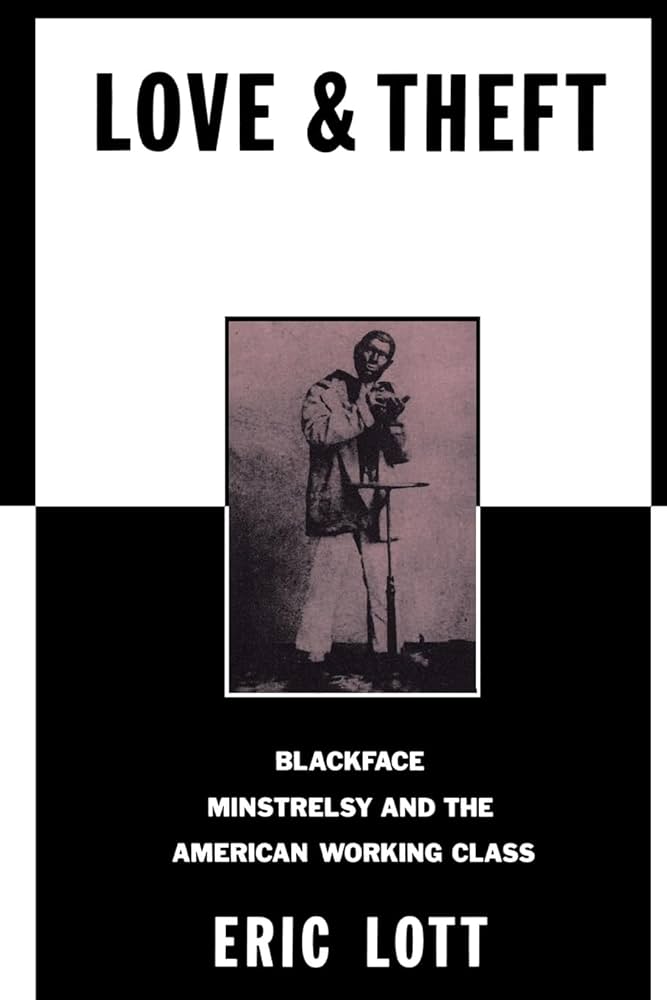
During the 19th century, minstrel shows were key sources of entertainment, featuring songs, dances and comedic routines based on stereotyped depictions of Black individuals, by white actors with blackened faces. Using these real-life events as a foundation for the book, Love & Theft, Eric Lott delves deeper into the minstrelsy musical to portray and extract the hidden fascination and fear of Black culture and its ties with the complicated cultural performance. The title, Love & Theft reflects a deeper juxtaposition on Lott’s view on how although the American working class were fascinated by the African American language and music, they however stole and distorted these significant cultural forms and transformed them into models for their very own entertainment.
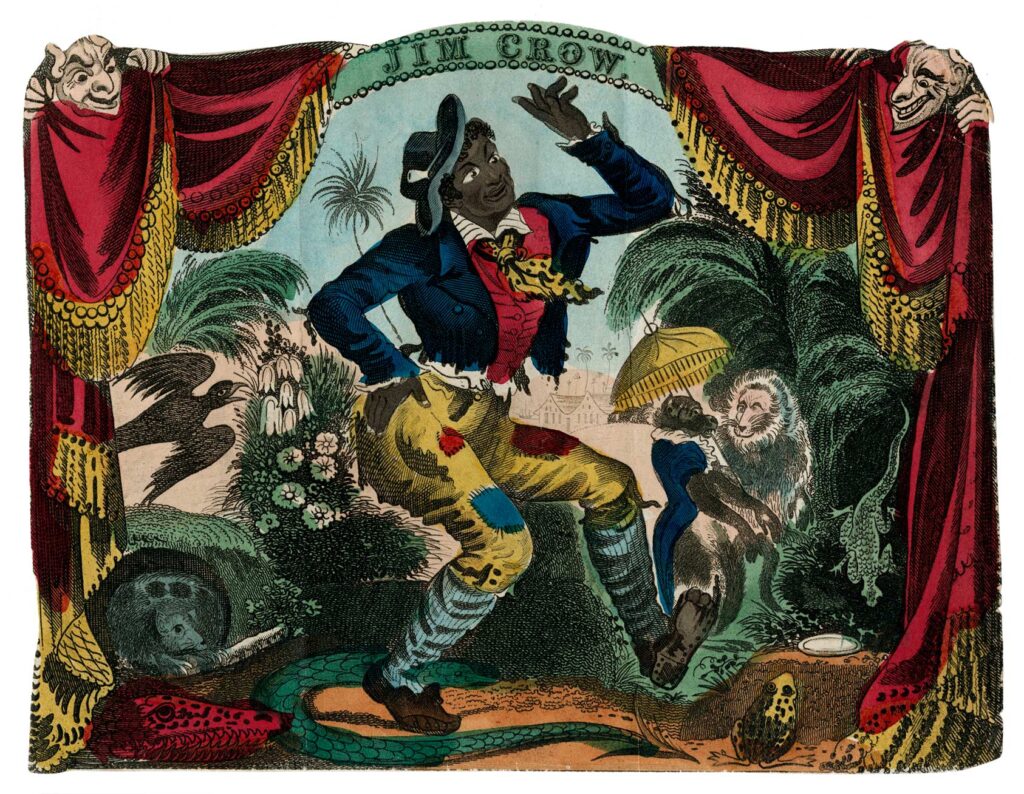
Actor Thomas Rice Playing “Jim Crow” in Blackface, New York City, 1833.
This book by Eric Lott explores the path within which minstrelsy was introduced during a period of social change, especially among the urban white working class. Lott provides a very thorough and fascinating explanation on how numerous working-class white men felt politically and economically powerless and as a result of this, the hope of Blackface performances became a medium through which they could express their frustrations, rebel against upper-class norms and forge a new shared identity. Nonetheless, in doing so, this new identity relied heavily on degrading stereotypes of Black people, through which Lott reveals how these performances influenced enduring racial stereotypes and its impact on American culture. I felt very inspired by this book as it revealed such a deep and complicated contradiction of white American’s admiration for Black culture whilst also reinforcing white supremacy in the same vein. Including how American culture has been molded by complex and unequal racial interactions. I believe Love & Theft will deeply push readers to comprehend how racism can especially coexist with cultural fascination and the certain influence of entertainment on social attitudes. I highly recommend checking out this book at the music library.