Arachnophonia: Kaytranada “BUBBA”

Editor’s note: Arachnophonia (“Arachno” = spider / “-phonia” = sound) is a regular feature on our blog where members of the UR community can share their thoughts about resources from the Parsons Music Library‘s collection.

All links included in these posts will take you to either the library catalog record for the item in question or to additional relevant information from around the web.

Today’s installment of Arachnophonia is by student manager Laeticia (class of 2026) and features Kaytranada’s 2019 album BUBBA on vinyl. Thanks, Laeticia!
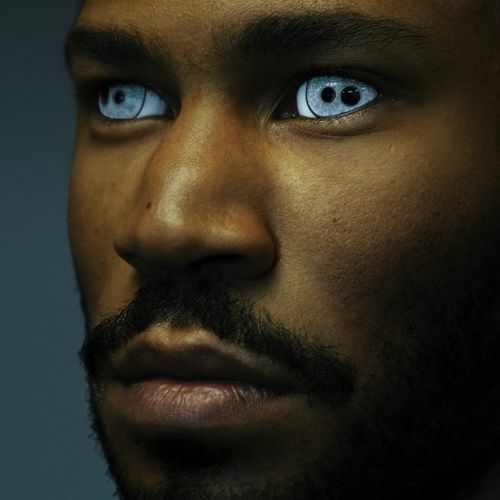
Kaytranada
BUBBA

Kaytranada - BUBBA

Why Kaytranada’s BUBBA Deserves A Spot in Every Vinyl Collection

If you’re into groove therapy or just love music that makes you move without even trying, then Kaytranada’s BUBBA deserves a spot on your shelf.

Kaytranada, whose real name is Louis Kevin Celestin, is a Haitian-Canadian DJ and producer from Montreal. His music mixes electronic, funk, R&B, and house in a way that just makes you feel good. He started making beats in his bedroom and built his name by creating songs that are perfect for summer nights, long drives, and heating up a dance floor, all at once.

His album BUBBA is one of those projects that instantly lifts your mood. This album feels like movement. It’s vibrant, warm, and effortlessly smooth with every song rolling into the next like a perfect DJ set. It’s full of songs that make you want to move, but also just chill and listen at the same time. I think “10%” is probably the song most people know, but tracks like “What You Need” and “Midsection” are just as catchy. What I love most is how the album strikes a balance between dance floor energy and deep reflection. It really just vibes.

Now, let’s talk vinyl. The BUBBA vinyl isn’t your regular spin, it’s an immersive experience. It sounds warm and alive, like you’re right there in the studio. Kaytranada is known for being open about who contributes to each track, giving the record a sense of collaboration that’s rare in electronic music. Plus, if you’re into samples, you’ll have fun figuring out where some of his sounds come from. If you’re curious about who he works with or which classic tracks he’s flipped into his own, the vinyl cover breaks it all down. It even includes a poster that ties the whole aesthetic together.

The mood of BUBBA is pure good energy. It’s perfect for when you’re just chilling, getting ready, or turning a lazy Sunday cleaning session into a mini dance break. It’s for anyone who loves music that moves with purpose and personality. If your vinyl shelf doesn’t have Kaytranada yet, it’s time to make some space because BUBBA doesn’t just play, it feels alive.

Arachnophonia: K-Pop Dance: Fandoming Yourself in Social Media

Editor’s note: Arachnophonia (“Arachno” = spider / “-phonia” = sound) is a regular feature on our blog where members of the UR community can share their thoughts about resources from the Parsons Music Library‘s collection.

All links included in these posts will take you to either the library catalog record for the item in question or to additional relevant information from around the web.

Today’s installment of Arachnophonia is by student assistant Joyce (class of 2027) and features an ethnographic study about K-Pop dance and the evolution and presence of its dance fandom on social media. Thanks, Joyce!

K-Pop Dance: Fandoming Yourself on Social Media by Chuyun Oh

K-Pop Dance book cover

K-pop Dance: Fandoming Yourself on Social Media by Chuyun Oh explores how K-pop fans use dance and social media to express themselves and build global communities. Oh shows how fans on platforms like YouTube and TikTok recreate choreography, form connections across cultures, and blur the boundaries between performer and audience. Through this lens, K-pop becomes more than music, it transforms into a shared cultural practice that unites people through creativity and participation.

I was drawn to this book because I enjoy K-pop and often see K-pop dance videos online. Reading it helped me understand that these dances are not just entertainment but meaningful acts of self-expression and identity. The book reveals how social media shapes the way people connect, create, and find belonging within global pop culture.

Arachnophonia: Hip Hop Dance

Editor’s note: Arachnophonia (“Arachno” = spider / “-phonia” = sound) is a regular feature on our blog where members of the UR community can share their thoughts about resources from the Parsons Music Library‘s collection.

All links included in these posts will take you to either the library catalog record for the item(s) in question or to additional relevant information from around the web.

Today’s installment of Arachnophonia is by student assistant Luis (class of 2025) and features a book about hip hop dance and a CD of early hip hop music. Thanks, Luis!

Hip Hop Dance

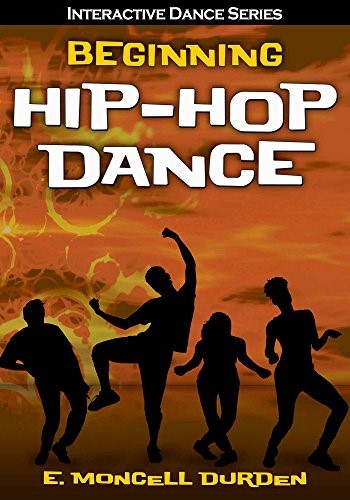
Beginning Hip Hop Dance

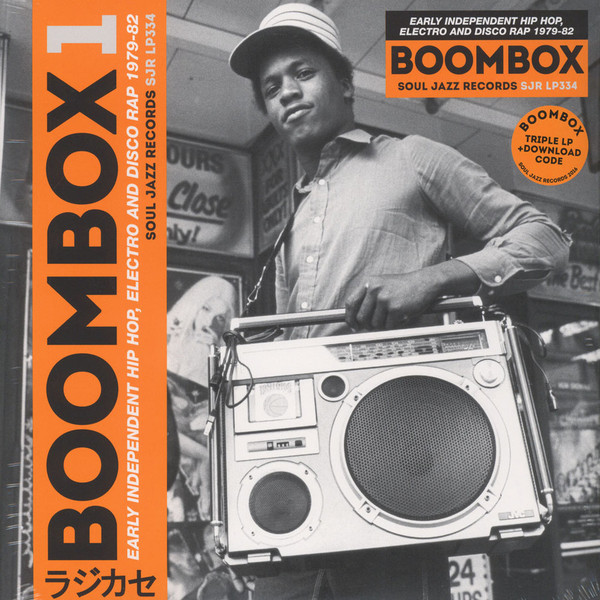
Boombox 1: Early Independent Hip Hop, Electro and Disco Rap 1979-1982

This semester, I am taking “Introduction to Hip Hop Dance” with Professor Deandra Clarke. Throughout the course, we have been learning about the origins of Hip-Hop, specifically the dancing aspect of Hip Hop, and how it has evolved over the years. Since emerging in the 1970s, hip-hop has evolved into a worldwide dance sensation. In the book Beginning Hip-Hop Dance, you establish a solid groundwork and grasp the essentials of hip-hop techniques. Crafted by a dance educator and historian, this manual offers you the opportunity to delve into the history of hip-hop and explore its notable works and artists. Additionally, you may learn to comprehend the styles and artistic principles of hip-hop as both a performance and cultural expression. The guide also provides insights into various forms of hip-hop dance, encompassing locking, waacking, popping, boogaloo, and house.

Boombox 1

In addition, if you feel like exploring some songs released in the early years of Hip Hop, the music library also has discs available such as Boombox. 1, Early independent hip hop, electro and disco rap 1979-1982. This CD was released in 2016 and is a collection of various artists from the early 1980s.

Arachnophonia: Don & Devdas

Editor’s note: Arachnophonia (“Arachno” = spider / “-phonia” = sound) is a regular feature on our blog where members of the UR community can share their thoughts about resources from the Parsons Music Library‘s collection.

All links included in these posts will take you to either the library catalog records for the items in question or to additional relevant information from around the web.

Today’s installment of Arachnophonia is by student manager Kiran (class of 2024) and features two Bollywood films Don and Devdas. Thanks, Kiran!

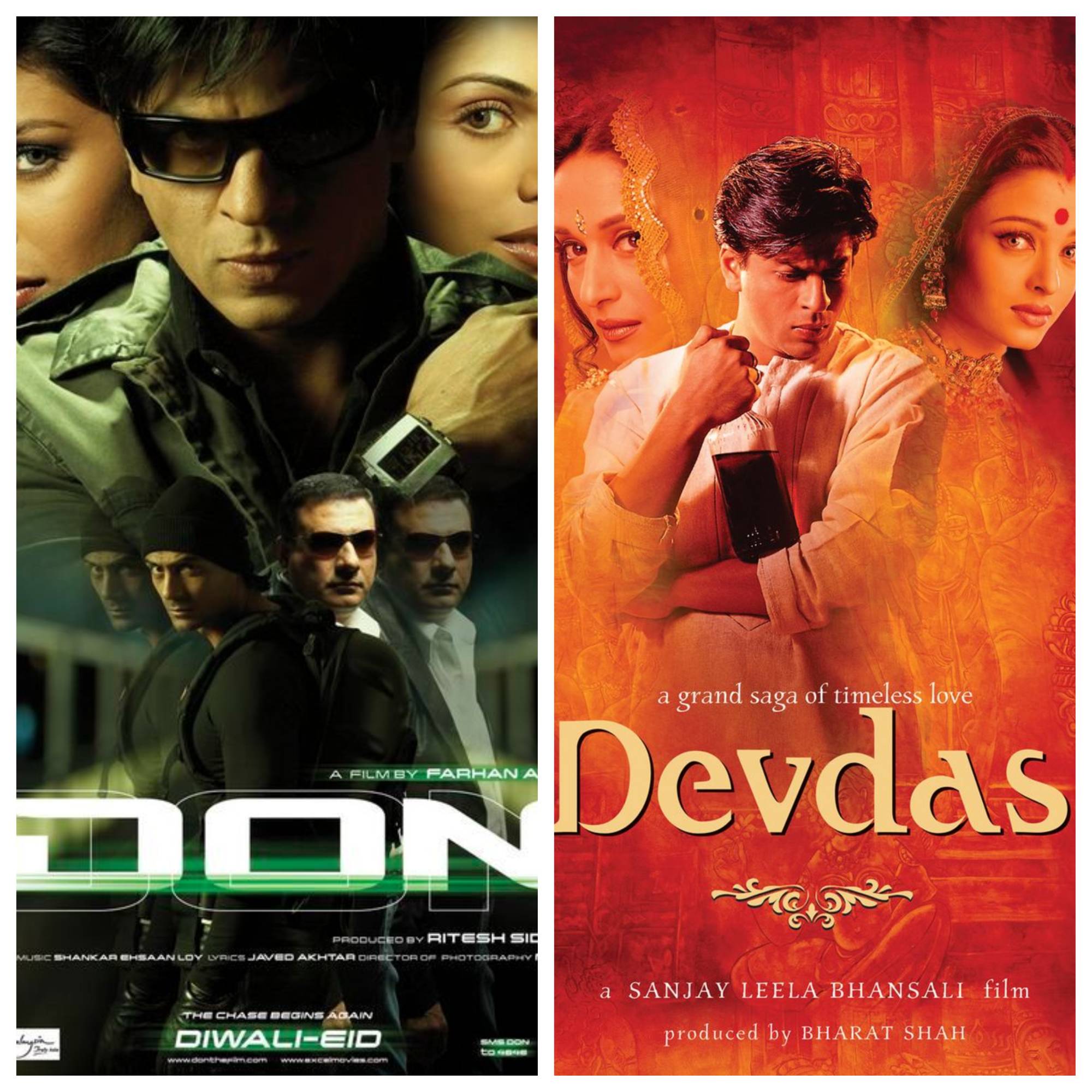
Don (2006)

Devdas (2002)

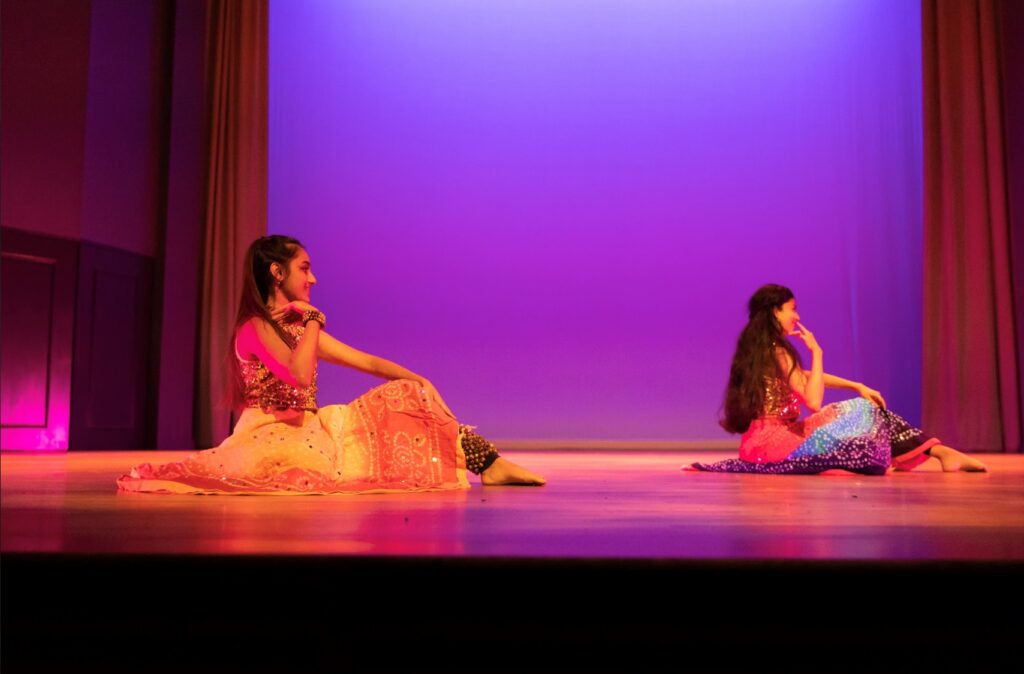
UR’s South Asian Fusion team, Bollywood Jhatkas, recently performed to some of their favorite remake songs at the 13th annual Celebration of Dance. At the music library, we have a select number of Bollywood films, two of which are remakes! Don and Devdas are two beloved classics that were redone in the early 2000s. Many of the songs were also reused and were given a more updated take.

Bollywood is notorious for recycling their classics, but it’s also received a lot of backlash in recent years. Critics are saying that they’ve run out of ideas and continue to ruin old movies. Some of the movies and songs are very well done, whereas others take away from the classic charm. Devdas and Don are two very controversial films because of this. Personally, I have only known the newer versions, and I have grown to love them. Shah Rukh Khan can truly play almost any role and knows how to draw an audience in. You can watch these remade films by checking them out at Parsons Music Library!

Arachnophonia: Bells of Change

Editor’s note: Arachnophonia (“Arachno” = spider / “-phonia” = sound) is a regular feature on our blog where members of the UR community can share their thoughts about resources from the Parsons Music Library‘s collection.

All links included in these posts will take you to either the library catalog record for the item in question or to additional relevant information from around the web.

Today’s installment of Arachnophonia is by student manager Kiran (class of 2024) and features insert title info here. Thanks, Kiran!

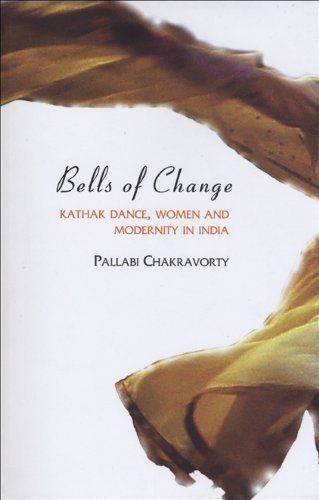
Bells of Change: Kathak Dance, Women, and Modernity in India by Pallabi Chakravorty

UR Bollywood Jhatkas

I’ve recently been fascinated with classical South Asian dance after watching a few of my Bollywood Jhatkas teammates perform during our most recent show.

Kathak is a type of Northern Indian dance and is one of the eight classical dance forms in India. The movements are heavily rooted in storytelling, hence the graceful arm and hand movements. Nomads took these stories outside of the Hindu temples and began integrating more expression into the art form, as well as more intricate footwork. There are three forms of Kathak, each focusing on different aspects of the dance. Traditionally, small bells are tied to the dancer’s ankles to enunciate the footwork.

Bells of Change: Kathak Dance, Women, and Modernity in India, written by Pallabi Chakravorty, is a critical study of this ancient dance form and its impact on women in India. Much like food, I find dance to be a way to share cultural identity. I love sharing my passion for South Asian dance with my friends and the greater Richmond community. Still, there is so much more to these art forms than what meets the eye. That being said, there are a wide variety of books on Kathak and other dance forms in the Music Library, so be sure to check them out!

Bells of Change

Parsons Playlists: Bollywood on the Block

Welcome back to Parsons Playlists! Today’s playlist is curated by Music Library student manager Kiran (class of 2024) and features songs presented by UR’s Bollywood Jhatkas and Block Crew in a recent performance on campus.

Bollywood on the Block: The Sequel

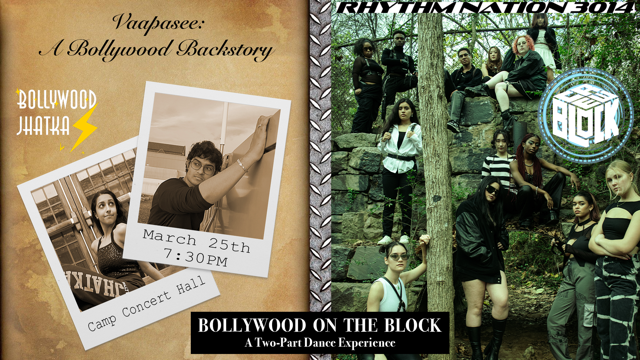
Bollywood Jhatkas and Block Crew recently performed their second joint showcase, on March 25th. Here are some of the crowd’s favorite songs/remixes!

Bollywood on the Block dflyer

From Bollywood Jhatkas:

“Dholida” x “Radha Kaise” from Riya Patel Choreography

“Malhari” from Bajrao Mastani

“Garmi” x “Gas Pedal” by UCSC Kahaani

“Oo Antava Mawa … Oo Oo Antava” from Pushpa

“Lungi Dance” by Yoyo Honey Singh

From Block Crew:

“Bia Bia” by Bia

“Kiss Me More” by Doja Cat

“Runaway Baby” by Bruno Mars

“N95” by Kendrick Lamar

“Waves” by Normani

Here is a link to the whole playlist on YouTube: https://youtube.com/playlist?list=PLU94rco57Zewq3ffMoV5O2XXN-otBQmGE

Arachnophonia: Lady Gaga “The Fame Monster”

Editor’s note: Arachnophonia (“Arachno” = spider / “-phonia” = sound) is a regular feature on our blog where members of the UR community can share their thoughts about resources from the Parsons Music Library‘s collection.

All links included in these posts will take you to either the library catalog record for the item in question or to additional relevant information from around the web.

Today’s installment of Arachnophonia is by student manager Deisy (class of 2024) and features Lady Gaga’s 2009 album The Fame Monster. Thanks, Deisy!

Lady Gaga
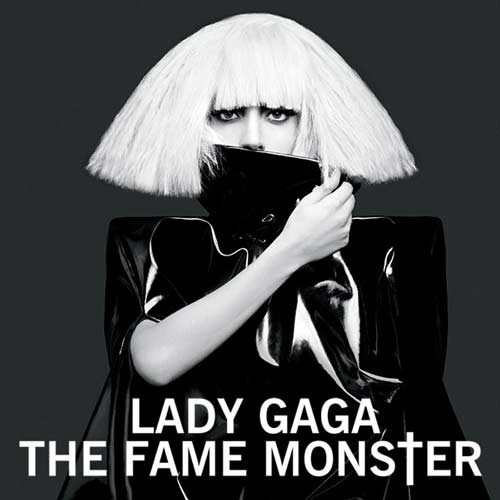
The Fame Monster

Lady Gaga - The Fame Monster (album cover)

The Parsons Music Library has a collection of albums, LPs, and books that can help one expand their musical knowledge. In this digital era, there are many CDs that can be found and one of my favorites that I have reconnected with is Lady Gaga’s album, The Fame Monster.

Lady Gaga is one of my favorite childhood singers, her music was very experimental compared to a lot of the music my family exposed me to. And although I never considered myself a big fan of hers, now I hear her music and become nostalgic. The Fame Monster album in particular has many songs such as “Bad Romance,” “Alejandro,” and “Poker Face” which I consistently heard on the radio. As we get older, the songs that were once the most famous become ingrained in our heads and remind us of our childhood, and that is the case with Lady Gaga’s music for me.

Arachnophonia: The Nutcracker

Editor’s note: Arachnophonia (“Arachno” = spider / “-phonia” = sound) is a regular feature on our blog where members of the UR community can share their thoughts about resources from the Parsons Music Library‘s collection.

All links included in these posts will take you to either the library catalog record for the item in question or to additional relevant information from around the web.

Today’s installment of Arachnophonia is by student manager Xipeng (class of 2024) and features Tchaikovsky’s ballet “The Nutcracker”. Thanks, Xipeng!

The Nutcracker

nutcracker2

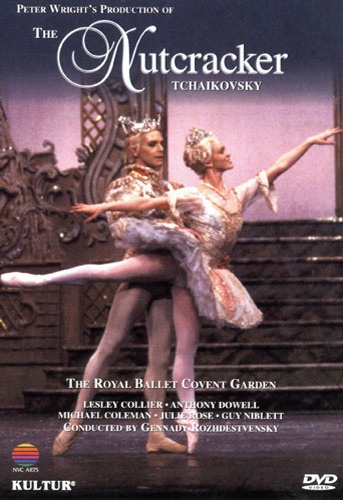
People might argue that it’s hard to understand ballet, but the stunning production of The Nutcracker by The Royal Ballet available on DVD in the Music Library will provide the audience with a different and impressive experience. The story behind the dancing scene evokes the inner feeling of everyone, and the music from Tchaikovsky endows dramatic, mysterious, and dreamy colors to the performance.

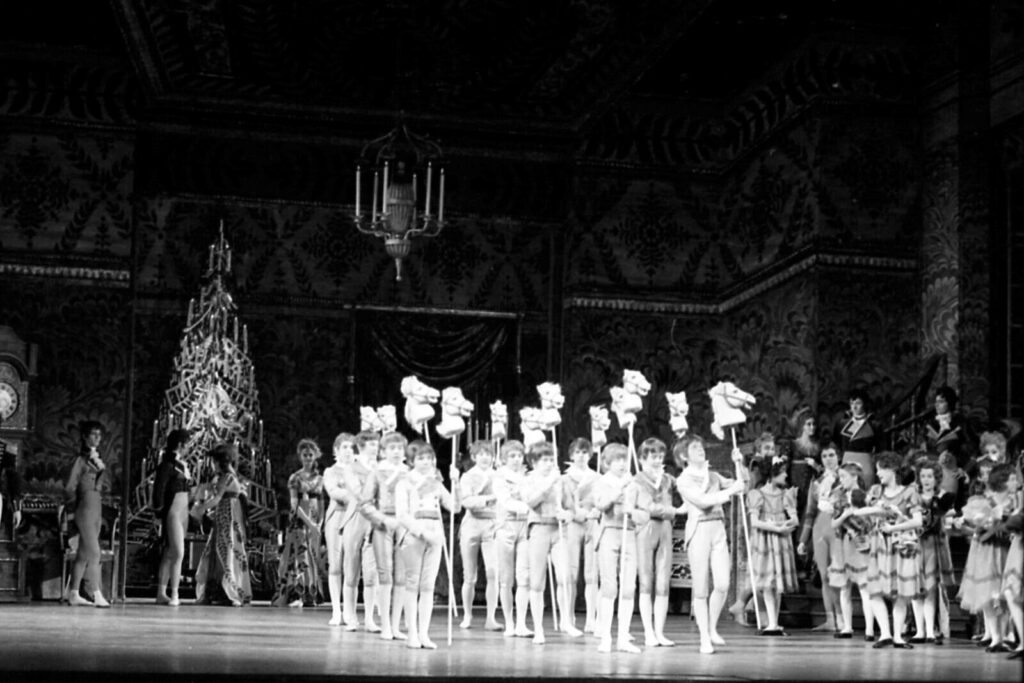
This recording from a performance in 1968 was performed by Merle Park, who was known for the brilliance of execution and virtuoso technique. The stage arrangement and design are relatively simple than in present days; however, the costumes and performers’ techniques were outstanding. My favorite part has always been the second act, where integration of international dance performance takes place: Spanish dancers represent chocolate, Arabian dancers are coffee, Chinese dancers are tea, while Russian dancers represent sugar canes.

As Christmas is approaching, check this DVD out in the Parsons Music Library! You can borrow a DVD drive from the front desk or use the equipment in the study rooms to watch the entire performance!

Nutcracker DVD cover

Parsons Playlists: Dancing With The Stars

Welcome back to Parsons Playlists! Today’s playlist is curated by Music Library student manager Deisy (class of 2024) and features some songs one might perform to on Dancing with the Stars.

Dancing with the Stars

Have you ever wished you could be in Dancing with the Stars? Dancing away to some Tango, Merengue, and Swing. Well now you can start practicing with these songs! A variety of genres to get you started.

Dancing with the Stars logo

Michael Bublé – “Sway”

Hugh Laurie – “Kiss of Fire”

The Strings of Paris – “Ole Guapa (Tango)”

Jose Feliciano – “Sabor a mi”

Yuki Hayashi – “Amor proibido”

Gilberto Santana Rosa – “La Agarro Bajando”

Adalberto Gonzales – “La Noche Mas Linda del Mundo”

La Sonora Matancera, Nelson Pinedo – “Quen Sera?”

Andres Cepeda – “Piel canela”

Morten Harket – “Can’t Take My Eyes Off Of You”

Michael Bublé – “Feeling Good”

Adalberto Gonzales – “Nadie se salva de la Rumba”

Adolescent’s Orquestra – “Ahora Entregate”

Here is a link to the whole playlist on YouTube: https://youtube.com/playlist?list=PLU94rco57ZeyOvQ49pknOEyoA2sdWk5Bp

Arachnophonia: Don Quixote

Editor’s note: Arachnophonia (“Arachno” = spider / “-phonia” = sound) is a regular feature on our blog where members of the UR community can share their thoughts about resources from the Parsons Music Library‘s collection.

All links included in these posts will take you to either the library catalog record for the item in question or to additional relevant information from around the web.

Today’s installment of Arachnophonia is by student assistant Xipeng (class of 2024) and features a DVD performance of the ballet Don Quixote. Thanks, Xipeng!

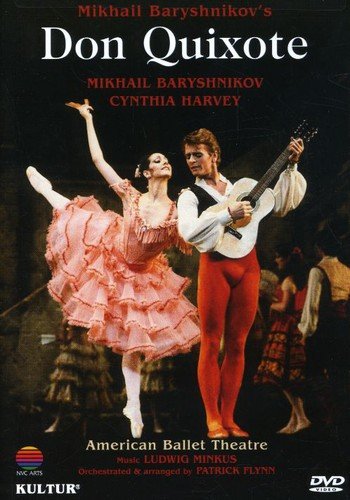
Don Quixote

Don Quixote ballet DVD case

Don Quixote, a dramatic love story on tiptoe

Don Quixote de la Mancha is a Spanish novel written by Miguel de Cervantes. The main character of this novel is named Alonso Quixano, who read many chivalric romances and lost in his dream of becoming as a knight. He recruited Sancho Panza, a farmer, as his squire and started his journey.

The theme of the ballet is adapted from the original novel but only focuses on two chapters. Taking place in Spain, the dancing language expresses enthusiastic, strong and powerful cultural characteristics with various dance types, including Romani dance and Flamenco. The dancing techniques require high standard with daring balance, twisting leaps and 32 fouettés, which is one of the most classic whipping turns.

The music composed by Ludwig Minkus also contributes to this spectacular showcase. One thing to note is that the choreography was first created by Marius Petipa, and even thought his creation has been through several revivals, it still serves as the most important foundation for Don Quixote ballet productions. The video available in the Music Library was choreographed by Mikhail Baryshnikov, and is located in the DVDs section.

A quote from Royal Opera House said that “It is one of the few Petipa ballets to be named for the hero rather than the heroine. It is a comic ballet in a sea of danced melodramas, and contains more character dancing than any other Petipa work on view today.” I am sure you will definitely enjoy the showcase even with only one act!