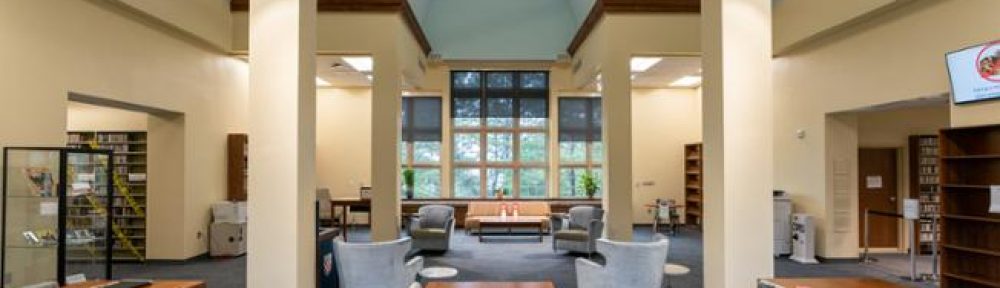
Editor’s note: Arachnophonia (“Arachno” = spider / “-phonia” = sound) is a regular feature on our blog where members of the UR community can share their thoughts about resources from the Parsons Music Library‘s collection.
All links included in these posts will take you to either the library catalog record for the item in question or to additional relevant information from around the web.
Today’s installment of Arachnophonia is by student manager Alexandra (class of 2026) and features the score for Maurice Ravel’s “Bolero”. Thanks, Alex!
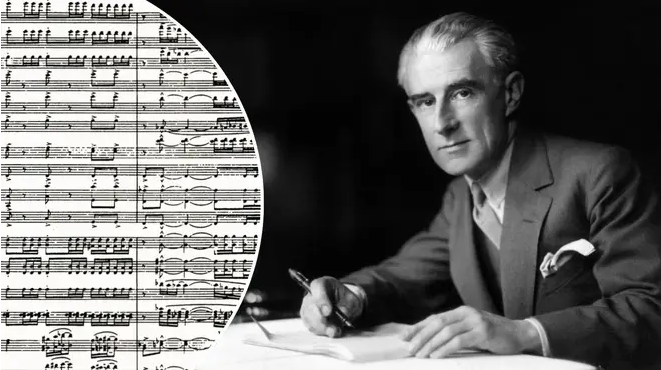
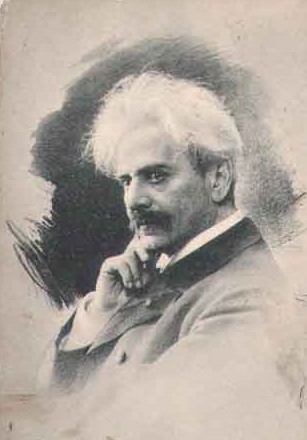
Maurice Ravel was a French composer who epitomized early 20th-century musical innovation, blending impressionism with striking originality. His most famous work, Boléro, premiered in 1928 at the Paris Opéra, mesmerizing audiences with its hypnotic repetition and orchestral ingenuity. Despite critics initially dismissing it as monotonous, Ravel created a masterpiece that demonstrated how a single, unchanging melody could build dramatic tension through orchestration alone. The overwhelming success of Boléro established Ravel as a master of orchestral color, proving that innovation need not rely on harmonic complexity.
Boléro is a one-movement orchestral work lasting approximately fifteen minutes, built entirely on two alternating melodic themes in C major that repeat eighteen times without variation. The piece maintains an unwavering snare drum rhythm pattern throughout, a bolero rhythm borrowed from Spanish dance music. What begins as a barely audible melody played by a solo flute gradually transforms into a thunderous orchestral climax as Ravel systematically adds instruments in carefully calculated combinations. The genius lies in the kaleidoscope of instrumental colors he employs—from delicate piccolo and celesta to robust trombones and tubas. The relentless crescendo, spanning from pianissimo to fortissimo, builds inexorable momentum until the final, shocking modulation to E major releases the accumulated tension.
Ravel himself described Boléro as “orchestral tissue without music,” concerned that audiences would tire of its repetitive nature. Yet the work’s hypnotic power captivated listeners, becoming his most performed composition. The Spanish dancer Ida Rubinstein commissioned the piece as a ballet, and Ravel drew inspiration from the mechanical, trance-like quality of factory machinery. His meticulous orchestration transforms a simple dance rhythm into an exploration of pure sound, demonstrating that musical development can occur through timbre and dynamics rather than harmonic variation.
Overall, Ravel’s audacious Boléro remains one of the most recognizable works in the orchestral repertoire, its singular vision of gradual orchestral accumulation influencing composers and captivating audiences for nearly a century.