Arachnophonia: Bad Bunny “Debí tirar más fotos”

Editor’s note: Arachnophonia (“Arachno” = spider / “-phonia” = sound) is a regular feature on our blog where members of the UR community can share their thoughts about resources from the Parsons Music Library‘s collection.

All links included in these posts will take you to either the library catalog record for the item in question or to additional relevant information from around the web.

Today’s installment of Arachnophonia is by student manager Rocio (class of 2026) and features Bad Bunny’s 2025 studio album Debí tirar más fotos aka DtMF. Thanks, Rocio!

Bad Bunny

Debí tirar más fotos

Bad Bunny -  Debí tirar más fotos  (DtMF) album cover

As an international Latin student, it makes me so happy to see Debí tirar más fotos not only as part of our vinyl collection, but also as one of the staff picks. This album is more than iconic; it is an activist album that speaks to the many injustices Puerto Rico has experienced throughout its history. It is a Latin album rooted in unity, culture, and mucho sazón.

One of my top songs is “Weltita” because it invites people to visit Puerto Rico while also reminding them to respect the island. It does this through a playful, flirty, and loving song. Although it is only mentioned in one line, I especially love the story of Jacinto. Jacinto’s Well is a famous natural sinkhole located at Jobos Beach in Isabela, Puerto Rico. Legend has it that a farmer named Jacinto was herding his cow near the rocks, with the animal’s rope tied around his waist. A loud thunderclap frightened the cow, causing it to fall into the well and drag Jacinto down with it, resulting in both of them drowning. I love how the song can feel cute and romantic while also incorporating a piece of Puerto Rican history and folklore. Benito leaves many references throughout the album that feel especially meaningful to Puerto Ricans and islanders.

Another song I really loved because of its activism is “Lo Que Le Pasó a Hawaii.” In the song, Benito references how Hawaii was taken by force and how its people have been mistreated. He draws a connection between Hawaii and Puerto Rico, warning about what could happen to Puerto Rico as a U.S. territory if its history and people continue to be overlooked. I especially liked how Benito incorporated Ricky Martin into the song when he had the opportunity to perform it at the Super Bowl.

I’ll end with my third pick, “La Mudanza,” which emphasizes how many Latino families are forced to migrate to the United States or other parts of the world. Benito tells the story of a family moving somewhere new while still holding on to their roots and identity. I think this is something many Latino families can relate to, including those who have had to leave their homes in search of better opportunities.

I invite everyone not only to speak up for what is right, but also to listen to the album, pay attention to the small details, and dance it out if you can. DtMF is an album that celebrates Puerto Rican culture while inviting us to think about history, identity, unity, and action.

Arachnophonia: 2001 – A Space Odyssey soundtrack

Editor’s note: Arachnophonia (“Arachno” = spider / “-phonia” = sound) is a regular feature on our blog where members of the UR community can share their thoughts about resources from the Parsons Music Library‘s collection.

All links included in these posts will take you to either the library catalog record for the item in question or to additional relevant information from around the web.

Today’s installment of Arachnophonia is by student manager Danny (class of 2028) and features the soundtrack album for the classic film 2001: A Space Odyssey. Thanks, Danny!

2001: A Space Odyssey soundtrack

2001: A Space Odyssey original MGM soundtrack

I saw 2001: A Space Odyssey for the first time at a midnight showing, which, like most surreal, feverish movies, is a pretty good time to watch it. 2001 is best known for its striking imagery, but just as important to the viewing experience is its memorable soundtrack. Filled with classical and orchestral pieces, the film helped revolutionize the way science fiction cinema approached music. Director Stanley Kubrick initially hired composer Alex North to write an original score for the film, but later scrapped it entirely in favor of existing classical music he had been using as temporary tracks during the editing process.

Who would’ve thought to bring classical music into a space opera? But it worked. The film helped popularize pieces such as Richard Strauss’ 1896 symphonic poem Also sprach Zarathustra and Johann Strauss II’s 1866 Blue Danube Waltz, and generations of film and television have drawn on the association between these pieces and space travel ever since.

If you’re looking for some beautiful classical music to relax to, or just something that makes you go, “Wait, I’ve heard this somewhere before,” I’d encourage you to check out the 2001: A Space Odyssey soundtrack here at the Parsons Music Library!

Arachnophonia: Gris

Editor’s note: Arachnophonia (“Arachno” = spider / “-phonia” = sound) is a regular feature on our blog where members of the UR community can share their thoughts about resources from the Parsons Music Library‘s collection.

All links included in these posts will take you to either the library catalog record for the item in question or to additional relevant information from around the web.

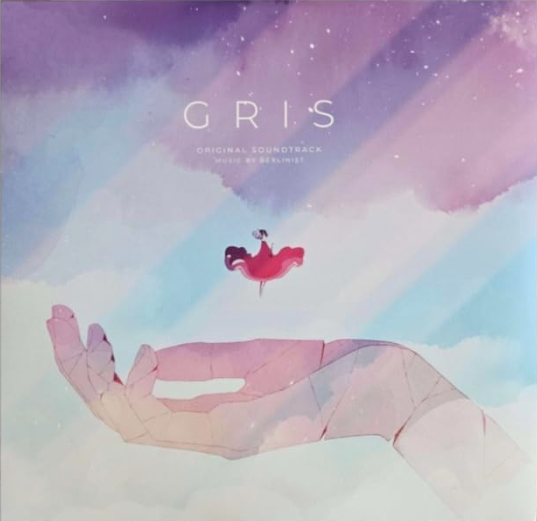
Today’s installment of Arachnophonia is by student manager Sophia (class of 2028) and features the soundtrack to the video game Gris on vinyl. Thanks, Sophia!

Berlinist

Gris

Gris soundtrack

The first vinyl piece started off with meditative sounds, which immediately relaxed my mood and body. Then, slowly soft violin and a faint piano start to play. Everything sounded very high-pitched, but it gave off a relaxing vibe. The violin would slowly stop playing and then gently start again. I would recommend this first piece if you are feeling stressed and want to listen to some relaxing music.

The second vinyl piece was a completely different vibe. It started with a very fast-paced string instrument that sounded like a cello. It gave off the feeling of an intense chase. The string instruments slowed down, giving me the feeling that I had run into the forest to hide. Then the rhythm started to speed up again. But this time, instead of running away from danger, it sounded like I was running towards safety. This piece gave me a very deep sense of meaning and emotion.

The Gris soundtrack can be found in Parsons Music Library’s vinyl collection.

Arachnophonia: “Antonio Vivaldi – The Red Priest of Venice”

Editor’s note: Arachnophonia (“Arachno” = spider / “-phonia” = sound) is a regular feature on our blog where members of the UR community can share their thoughts about resources from the Parsons Music Library‘s collection.

All links included in these posts will take you to either the library catalog record for the item in question or to additional relevant information from around the web.

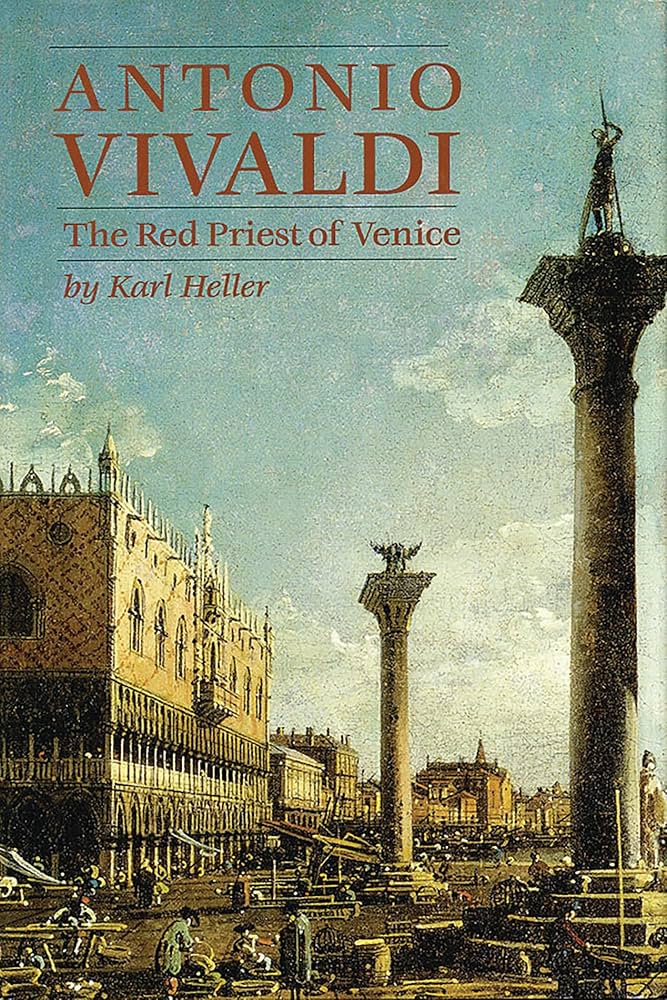
Today’s installment of Arachnophonia is by student manager Nikoloz (class of 2026) and features a biography of the Baroque composer Antonio Vivaldi. Thanks, Nikoloz!

Antonio Vivaldi: The Red Priest of Venice by Karl Heller

Antonio Vivaldi: The Red Priest of Venice by Karl Heller

Antonio Vivaldi was an Italian composer born in Venice in 1678. He was also a priest, known for his red hair, which earned him the nickname “The Red Priest.” For much of his career, he worked at the Ospedale della Pietà, a girls’ orphanage and convent with a renowned music program. There, he served as violin teacher, composer, and music director, writing a vast amount of music for the talented students to perform.

Vivaldi was incredibly prolific. He is best known for his set of violin concertos called The Four Seasons, which uses music to paint scenes of spring, summer, autumn, and winter. But that’s just a small part of his output. He wrote over 500 concertos for various instruments, nearly 50 operas, and many sacred choral works. His music is famous for its bright, energetic feel, memorable melodies, and dramatic contrasts.

Arachnophonia: John Denver “Rocky Mountain High”

Editor’s note: Arachnophonia (“Arachno” = spider / “-phonia” = sound) is a regular feature on our blog where members of the UR community can share their thoughts about resources from the Parsons Music Library‘s collection.

All links included in these posts will take you to either the library catalog record for the item in question or to additional relevant information from around the web.

Today’s installment of Arachnophonia is by student assistant Mia (class of 2026) and features John Denver’s Rocky Mountain High album on vinyl. Thanks, Mia!

John Denver

Rocky Mountain High

John Denver - Rocky Mountain High

The Rocky Mountain High album was created to reflect the immense beauty of Colorado and the vast amount of love and appreciation John Denver has for the state. After changing his last name from Deutschendorf to Denver in the early 60’s, his love and passion for the state was further emphasized through this album. The folky vibes really encompass the natural beauty of Colorado and are reminiscent of sitting around a camp fire, as the title track so eloquently points out, and the warm vibes draw people together to celebrate their love.

This album is further enhanced by listening to it on vinyl. This form of media highlights the warmth of the song and the sounds of the instruments. It also seems more conversational between artist and listener as on vinyl it isn’t as refined as through other media types. Especially within this genre, vinyl highlights the common instruments of folk music such as the acoustic guitar and natural vocals which I personally really appreciated when listening.

This album’s release in the early 1970s gained popularity due to the rising environmental awareness of the time. His album was an inspiration to many to go out and enjoy nature and the beauty of the world. He encourages his audience to see the world and its beauty as a transformative experience, rather than by merely recognizing the scenery.

Arachnophonia: “Sinners” soundtrack

Editor’s note: Arachnophonia (“Arachno” = spider / “-phonia” = sound) is a regular feature on our blog where members of the UR community can share their thoughts about resources from the Parsons Music Library‘s collection.

All links included in these posts will take you to either the library catalog record for the item in question or to additional relevant information from around the web.

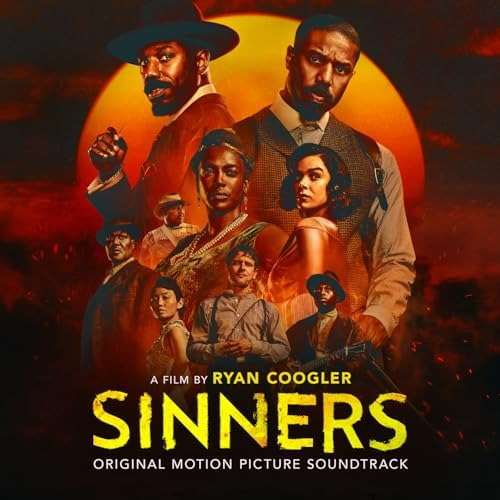
Today’s installment of Arachnophonia is by student assistant Daniel (class of 2028) and features the soundtrack to the 2025 film Sinners on vinyl. Thanks, Daniel!

Sinners

Sinners soundtrack album

After Ludwig Göransson recently took home the Academy Award Best Original Score at the 98th Oscars for his work on Sinners (2025), I went back to revisit the soundtrack for the vampire horror film. I’d forgotten how much the music shapes the viewing experience, immersing you deeper into the world of the film.

My favorite track by far is “I Lied to You,” written by Göransson and Raphael Saadiq, and performed beautifully by Miles Caton, who stars in the film as Sammie. It was just as striking to hear it performed live onstage by Canton and his co-stars at the Oscars.

If you’re looking for a captivating, melodic soundtrack that transports you to 1930s Mississippi Delta, Sinners is well worth a listen.

Arachnophonia: Taylor Swift “The Tortured Poets Department: The Anthology”

Editor’s note: Arachnophonia (“Arachno” = spider / “-phonia” = sound) is a regular feature on our blog where members of the UR community can share their thoughts about resources from the Parsons Music Library‘s collection.

All links included in these posts will take you to either the library catalog record for the item in question or to additional relevant information from around the web.

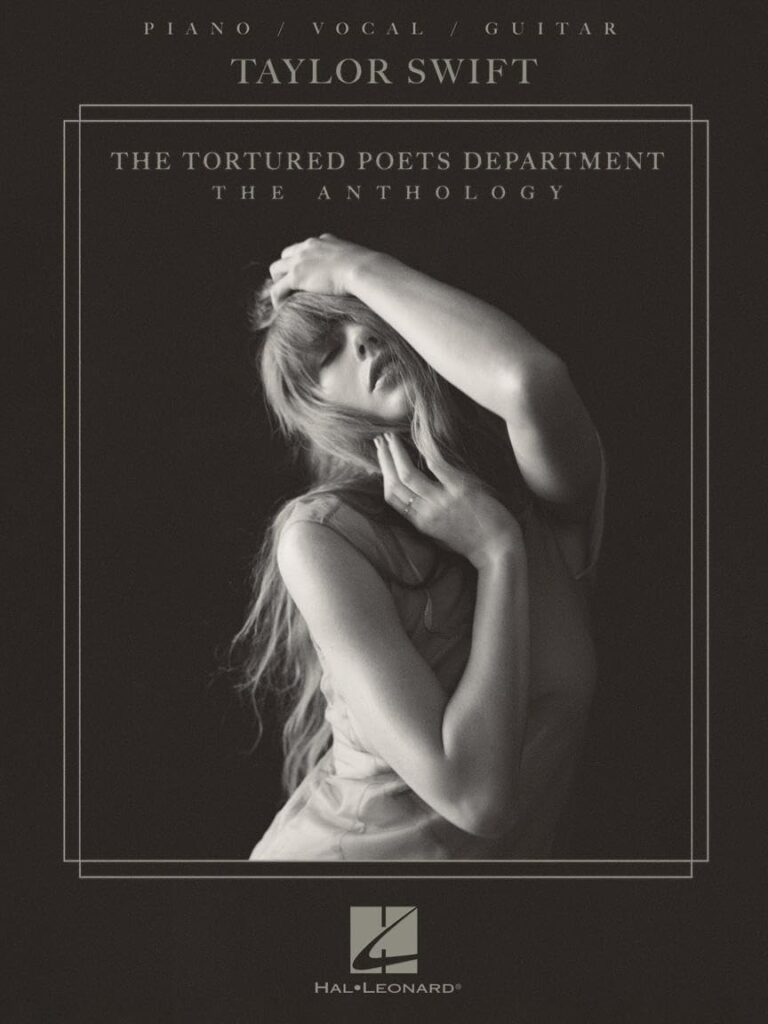
Today’s installment of Arachnophonia is by student assistant Elina (class of 2029) and features a piano/vocal/guitar score of Taylor Swift music from her “The Tortured Poets Department” album. Thanks, Elina!

Taylor Swift

The Tortured Poets Department: The Anthology

Taylor Swift - The Tortured Poets Department: The Anthology

Have you ever wanted to sit down at the piano and be able to play a popular song that everyone would recognize? There’s something so main character about being able to play music on an instrument, especially if it’s from Taylor Swift.

If that sounds like your vibe, there’s an easy way to make it happen. You can turn that moment into reality by picking up The Tortured Poets Department: The Anthology score at the Parsons Music Library.

This collection features all 31 tracks from the album, arranged for piano and voice, with symbols and guitar chord diagrams, with words and music written or co-written by Taylor Swift. This score is your opportunity to dive into the emotional depth of Swift’s music and play along with your favorite tracks from “Fortnight” to “The Manuscript,” to “So Long, London” to “So High School,” and all the others. Immerse yourself in the storytelling of Taylor Swift and bring her songs to life with your own unique voice and talent. It also helps you get better at piano or guitar while you play songs you love, so it’s really a two-in-one.

So if you’re ready to have your own main-character moment at the piano, you can pick up The Tortured Poets Department: The Anthology at the Parsons Music Library and start your musical journey today.

Arachnophonia: Erik Satie “Parade, Relâche Ballets, and Gymnopédies”

Editor’s note: Arachnophonia (“Arachno” = spider / “-phonia” = sound) is a regular feature on our blog where members of the UR community can share their thoughts about resources from the Parsons Music Library‘s collection.

All links included in these posts will take you to either the library catalog record for the item in question or to additional relevant information from around the web.

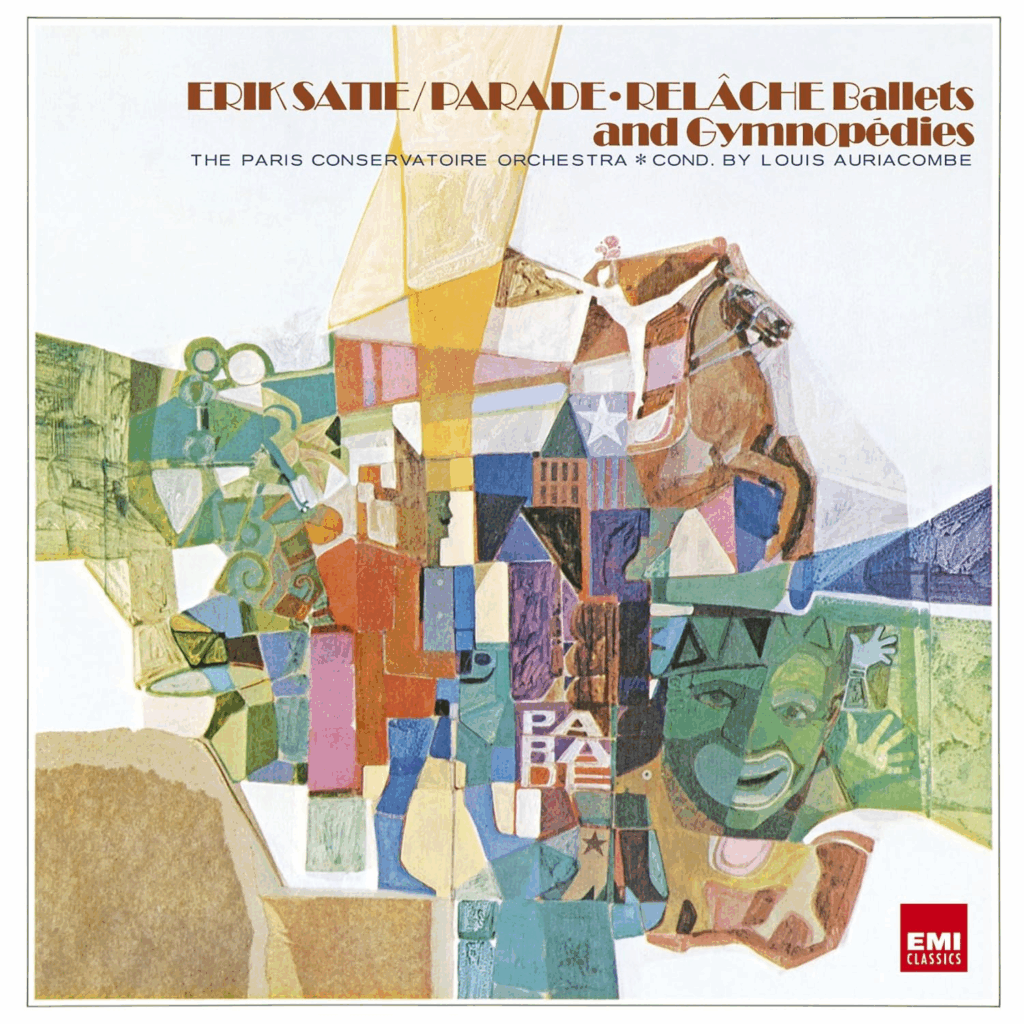
Today’s installment of Arachnophonia is by student manager Julie (class of 2028) and features some of the works of French composer Erik Satie on vinyl. Thanks, Julie!

Erik Satie

Parade, Relâche Ballets, and Gymnopédies

Erik Satie - Parade, Relâche Ballets, and Gymnopédies album artwork

Erik Satie’s “Parade,” “Relâche,” and “Gymnopédies” are some of the most dynamically rich and musically innovative pieces I’ve had the pleasure of listening to. Prior to discovering this vinyl, I had heard some of Satie’s music before (mostly through social media) and had appreciated the atmospheric and slightly ambiguous nature of the chords; however, based on my experience with the “Gymnopédies,” the strongest feelings that came to mind while listening had been limited to “centered,” “surreal”, and maybe a little “unnerved.” After making my way through the tracks on the vinyl, however, I discovered a different side of Satie that captured my interest and inspired me to write this blog post!

Parade,” performed by the Paris Conservatoire Orchestra and conducted by Louis Auriacombe is one of Satie’s later works, and is the original music created for the 1917 satirical ballet by the same name. In contrast to some of his earlier works of a more “minimalist” style, “Parade” features dynamic and emotional highs and lows that, at one point, had me literally jumping out of my seat. While I enjoyed trying to use “Parade” for studying, I found myself spending more time listening to it than I did doing anything else.

If I had to choose one word to describe Satie and his music, I would pick “moody.” I can’t say that I would necessarily recommend this vinyl to someone in need of cheering up, but I would absolutely send it in the direction of any music lover who’s interested in jumping on Satie’s musical roller coaster of emotions. If you end up listening, I hope you enjoy the ride!

Arachnophonia: Dolly Parton “Jolene”

Editor’s note: Arachnophonia (“Arachno” = spider / “-phonia” = sound) is a regular feature on our blog where members of the UR community can share their thoughts about resources from the Parsons Music Library‘s collection.

All links included in these posts will take you to either the library catalog record for the item in question or to additional relevant information from around the web.

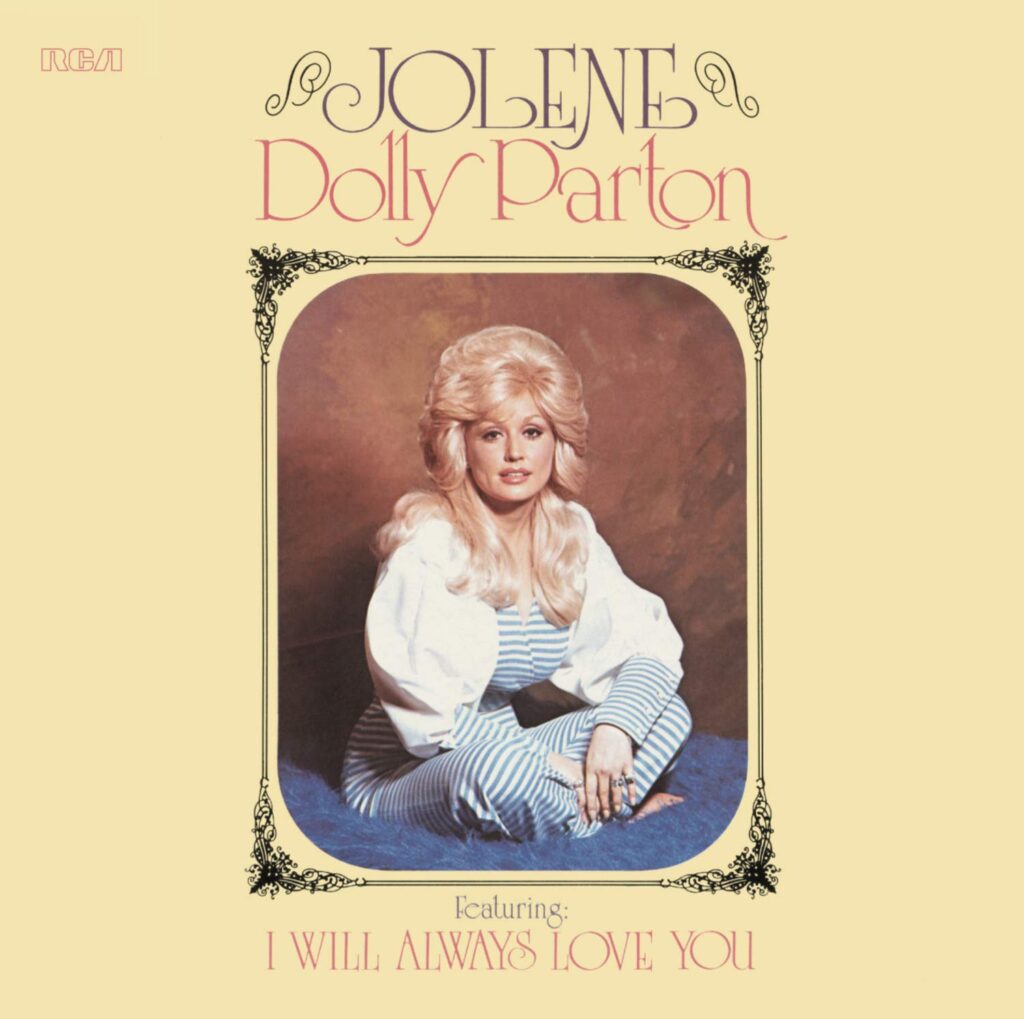
Today’s installment of Arachnophonia is by student assistant Giuliana (class of 2028) and features Dolly Parton’s 1974 album Jolene. Thanks, Giuliana!

Dolly Parton

Jolene

Dolly Parton - Jolene album cover

Dolly Parton’s 1974 album, Jolene, is one of my favorites. It is a great set of songs for people that want country with more of a pop feel. I love how Dolly conveys a story in each one, while also making them feel personal in a way through the emotion that she puts into them. For example, “Jolene,” “I Will Always Love You,” and “Cracker Jack” demonstrate a sample of the versatility within this album. Ranging from pleading, to declarations of love, and then playfulness, the songs relate to the listeners’ feelings and prove that she is a storyteller, not just a songwriter. She tries and succeeds to capture a full spectrum of honest emotions.

I believe this album is a staple and important to take note of because Dolly Parton is one of the most influential and successful female artists of her time. She especially shaped the voice of women in country music, proving that they could be both successful and creatively independent. Her authenticity and uniqueness asserted herself as a woman in a male dominated field, and created a legacy that will influence generations to come. Even today she is setting new standards; in 2022 she was inducted into the Rock & Roll Hall of Fame, but to prove to herself that she earned it, she stepped outside of her comfort zone and created a full rock album, a desire that she has had for a long time!

Arachnophonia: Rachmaninoff “Piano Concerto No. 2, op. 18 – Six Preludes”

Editor’s note: Arachnophonia (“Arachno” = spider / “-phonia” = sound) is a regular feature on our blog where members of the UR community can share their thoughts about resources from the Parsons Music Library‘s collection.

All links included in these posts will take you to either the library catalog record for the item in question or to additional relevant information from around the web.

Today’s installment of Arachnophonia is by student manager Alexandra (class of 2026) and features a Rachmaninoff piano concerto and preludes on vinyl. Thanks, Alex!

Sergei Rachmaninoff

Piano Concerto no. 2, in C minor, op. 18 + Six preludes
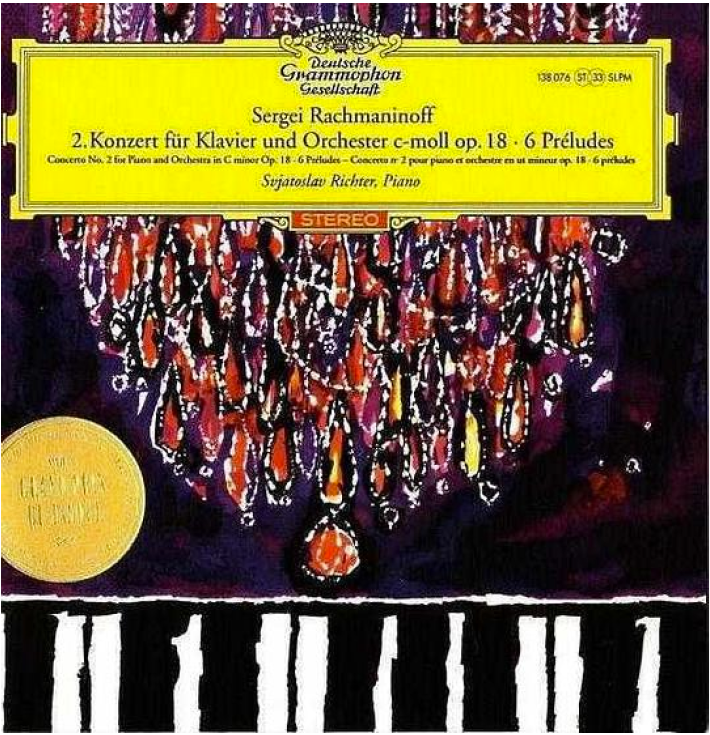
Rachmaninoff - Piano Concerto no. 2 & 6 Preludes

Sergei Rachmaninoff was a Russian composer and pianist whose works stand among the most emotionally powerful in the late Romantic tradition. Born in 1873, Rachmaninoff suffered a devastating crisis of confidence after the poor reception of his First Symphony in 1897, falling into a prolonged creative silence. With the help of hypnotherapy from Dr. Nikolai Dahl, he gradually recovered his confidence and began composing again. The result was the Piano Concerto No. 2 in C Minor, Op. 18, completed in 1901, a triumphant return that would become one of the most beloved works in the concerto repertoire. The piece opens with an iconic series of tolling piano chords that build to a sweeping orchestral entrance, immediately establishing the concerto’s character of brooding grandeur and soaring lyricism.

The first movement, I. Moderato introduces the main themes with the piano and orchestra in deep dialogue. The piano’s opening chords, unusual for their time in starting without orchestral introduction, give way to sweeping, lyrical lines that alternate between melancholy and urgency. Rachmaninoff’s gift for long, arching melody is on full display, with the piano and strings exchanging themes of aching beauty. The second movement, II. Adagio sostenuto, is the emotional heart of the concerto. A serene, almost hymn-like theme unfolds over a murmuring piano accompaniment, then builds to a passionate climax and retreats into a quiet resolution. The third movement, III. Allegro scherzando, bursts with energy and rhythmic drive, revisiting themes from the first movement and building to a heroic, triumphant conclusion that showcases both the soloist and the full orchestra at their most brilliant.

This particular recording, pressed on vinyl as DGM 12036, features the legendary Soviet pianist Sviatoslav Richter, widely considered one of the greatest interpreters of the Romantic piano repertoire. Conducting is Stanisław Wisłocki at the helm of the Warsaw Philharmonic Orchestra (Filharmonia Narodowa). Recorded in 1960, the performance is celebrated for Richter’s extraordinary blend of architectural clarity and deep emotional commitment; his playing is never indulgent, yet fully alive to every surge of Rachmaninoff’s feeling. The six Preludes on the second side of the vinyl offer an intimate counterpart to the concerto, revealing Rachmaninoff as a master of concentrated expression, each prelude a small world of its own.

Overall, Rachmaninoff’s Piano Concerto No. 2 stands as a monument of the late Romantic era and a testament to the composer’s resilience and artistic depth. It has since become one of the most performed and recorded concertos in the classical canon, and Richter’s 1960 interpretation remains a gold standard. Richter himself was known for his refusal to play to the crowd. He once said he saw himself as a servant of the composer rather than a showman. In this recording, that philosophy yields something rare: a performance that feels both inevitable and alive, as if Rachmaninoff’s own voice speaks through every note.