Arachnophonia: “Sinners” soundtrack

Editor’s note: Arachnophonia (“Arachno” = spider / “-phonia” = sound) is a regular feature on our blog where members of the UR community can share their thoughts about resources from the Parsons Music Library‘s collection.

All links included in these posts will take you to either the library catalog record for the item in question or to additional relevant information from around the web.

Today’s installment of Arachnophonia is by student assistant Daniel (class of 2028) and features the soundtrack to the 2025 film Sinners on vinyl. Thanks, Daniel!

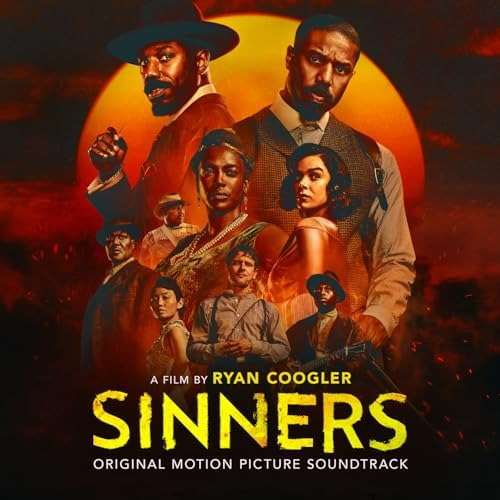
Sinners

Sinners soundtrack album

After Ludwig Göransson recently took home the Academy Award Best Original Score at the 98th Oscars for his work on Sinners (2025), I went back to revisit the soundtrack for the vampire horror film. I’d forgotten how much the music shapes the viewing experience, immersing you deeper into the world of the film.

My favorite track by far is “I Lied to You,” written by Göransson and Raphael Saadiq, and performed beautifully by Miles Caton, who stars in the film as Sammie. It was just as striking to hear it performed live onstage by Canton and his co-stars at the Oscars.

If you’re looking for a captivating, melodic soundtrack that transports you to 1930s Mississippi Delta, Sinners is well worth a listen.

Parsons Playlists: New Voices, Old Soul

Welcome back to Parsons Playlists! Today’s playlist is curated by Music Library student manager Laeticia (class of 2026) and features some modern jazz tunes.

New Voices, Old Soul: A Modern Jazz Playlist

Modern Jazz

Jazz has always been about pushing boundaries while honoring what came before. It is a genre that never died. It just changed addresses. This playlist is proof that the genre is very much alive in the hands of a new generation of artists who grew up on everything from hip hop to classical music and brought all of it into the jazz tradition. From intimate vocal performances to genre-bending fusion, these tracks represent the new sound of jazz, one that feels both familiar and completely fresh. Let this be your introduction to the voices shaping jazz right now.

Samara Joy – “Guess Who I Saw Today”

Lizzie Berchie – “We Found Love”

BrandonLee Cierley ft. Jimmie Herrod – “Naia’s Song”

Laufey – “Falling Behind”

Gregory Porter – “Consequence of Love”

Harrison ft. Jaleel Shaw – “You hate jazz?”

Esperanza Spalding – “Black Joy”

Herbie Hancock ft. Norah Jones – “Court and Spark”

Richard Bona – “Souwedi Na Wengue”

Jill Scott – “The Way”

Lindsey Webster – “Music in Me”

Brad Mehldau – “Exit Music”

Norah Jones – “Don’t Know Why”

DoomCannon ft. Lizzie Berchie – “Real Love”

Samara Joy – “Day By Day”

Kendrick Lamar – “For Free? (Interlude)”

Here is a link to the whole playlist on YouTube:

Arachnophonia: Samara Joy “Portrait”

Editor’s note: Arachnophonia (“Arachno” = spider / “-phonia” = sound) is a regular feature on our blog where members of the UR community can share their thoughts about resources from the Parsons Music Library‘s collection.

All links included in these posts will take you to either the library catalog record for the item in question or to additional relevant information from around the web.

Today’s installment of Arachnophonia is by student manager Susanne (class of 2026) and features Samara Joy’s 2024 album Portrait. Thanks, Susanne!

Samara Joy

Portrait

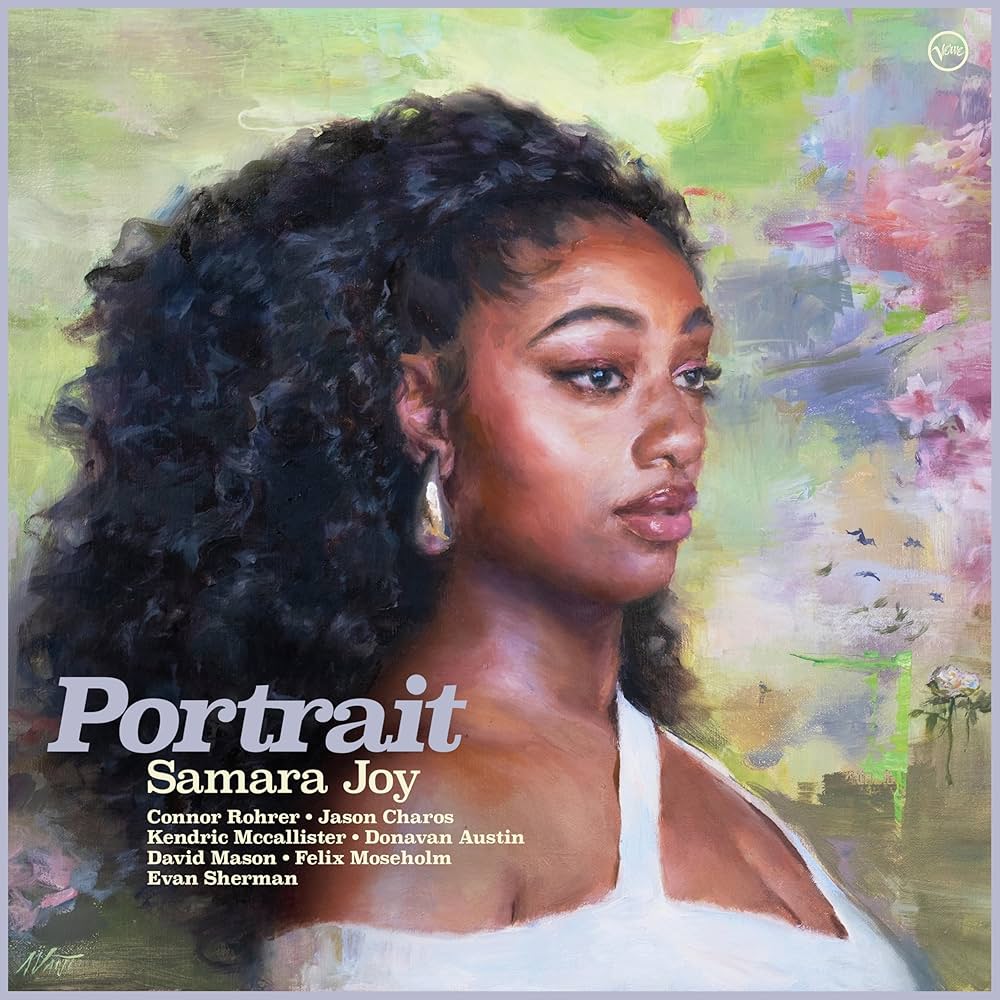
Samara Joy - Portrait (album cover)

If you’re in the mood for something warm, timeless, and smooth on the ears, Portrait by Samara Joy is the kind of record you can sink into. The album leans into classic jazz tradition with standards and old-school arrangements, but it doesn’t feel stuck in the past. Joy’s voice has this effortless clarity and control that makes every song feel intimate, like she’s singing right across the room from you. There’s a sense of confidence and ease in Joy’s sound and artistic choices that makes the whole album feel inviting.

Portrait is especially charming because of how personal it feels. Even though many of the songs are standards, Joy approaches them like she’s gently reshaping them to fit her own story and style. The arrangements are rich but never overwhelming, giving her voice plenty of space to shine, and the overall vibe is cozy, familiar, and reflective. I found that it’s the kind of album I like to put on when I want to slow down a bit and just let the music wrap around me. The vinyl is available at Parsons Music Library, so definitely go check it out!

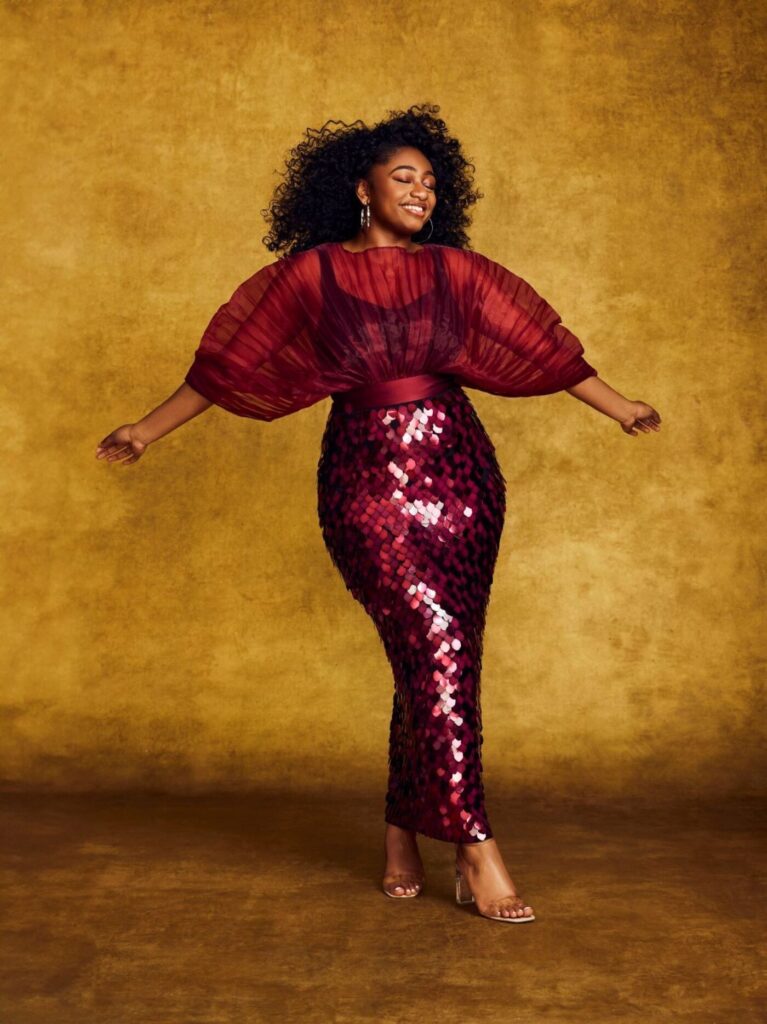
Samara-Joy-by-Ambe-J.-Williams

Arachnophonia: Samara Joy “Portrait”

Editor’s note: Arachnophonia (“Arachno” = spider / “-phonia” = sound) is a regular feature on our blog where members of the UR community can share their thoughts about resources from the Parsons Music Library‘s collection.

All links included in these posts will take you to either the library catalog record for the item in question or to additional relevant information from around the web.

Today’s installment of Arachnophonia is by student manager Laeticia (class of 2026) and features Samara Joy’s 2024 album Portrait. Thanks, Laeticia!

Samara Joy

Portrait

Samara Joy - Portrait (album cover)

Samara Joy’s Voice Is the Jazz Revival We Needed

I have always loved jazz. The problem is, I only ever reached for the classics: John Coltrane, Ella Fitzgerald, Billie Holiday, etc. My relationship with the genre lived comfortably in the past, and I had convinced myself that is just where great jazz existed. Then I put on Samara Joy’s Portrait vinyl, and suddenly the future of jazz felt exciting.

Samara Joy is a 25-year-old vocalist from the Bronx who has been sweeping award shows and proving that jazz is not a museum piece, but is still evolving. Coming from a gospel background, she channels the spirit of the legends I grew up listening to, but she does not imitate them. She is carrying the tradition forward in her own voice, and that distinction matters.

Listening to tracks like “A Fool in Love (Is Called A Clown)” and “You Stepped Out Of A Dream” on the Portrait vinyl reminded me why I fell in love with jazz in the first place. That warmth, that intimacy, the way a vocalist can make you feel like they are singing directly to you. It is all there. But what really struck me was realizing I had been missing out on this entire generation of artists because I had stopped looking forward. Samara Joy reignited something I did not realize had dimmed within me. I was reminded of how one’s soul comes alive through soul full music.

Samara-Joy-Portrait1

The vinyl experience made it even more powerful. This was not just background music. It captured my attention and encouraged me to be intentional with how I consume jazz music. Hearing the depth of her voice, the live-room feel of the recording, the deliberate space in the arrangements, it all reminded me that jazz sounds best when you are fully present for it. No shuffling playlists, just sitting with the music the way it deserves.

What gives me hope is that artists like Samara Joy are introducing jazz to younger audiences while respecting what made the genre great. She’s proof that jazz is not stuck in the past. It is just waiting for the right voices to carry it into the future. If you, like me, have been living in the archives, Portrait by Samara Joy is your invitation to care about contemporary jazz again.

Arachnophonia: “Sinners” soundtrack

Editor’s note: Arachnophonia (“Arachno” = spider / “-phonia” = sound) is a regular feature on our blog where members of the UR community can share their thoughts about resources from the Parsons Music Library‘s collection.

All links included in these posts will take you to either the library catalog record for the item in question or to additional relevant information from around the web.

Today’s installment of Arachnophonia is by student manager Julie (class of 2028) and features the soundtrack to the 2025 film Sinners on vinyl. Thanks, Julie!

Sinners

Sinners soundtrack album

The soundtrack of the 2025 vampire horror film Sinners features powerful renditions of known songs from the 1930s and early 1940s that bridge the gap between tradition and modernity. Guided by intentionality, historical accuracy, and his own experience with American blues music, producer Ludwig Göransson drew from various genres, including blues, Irish folk, gospel, jazz, and soul. Through its attention to technical detail and inventive blend of styles, the soundtrack alone is enough to make the movie worth watching.

One of my two favorite tracks on the album, “Rocky Road to Dublin,” starts off more slowly and quickly evolves into a lively mixed-meter jig with strong vocals and even stronger energy. In contrast, the other, “Will Ye Go, Lassie Go?” is captivating with its simple melody and rich harmonies that manage to sound like home, even while being sung by a band of mildly-threatening vampires.

In vastly different ways, these two songs (along with all the others on the soundtrack) capture the heart and soul that was put into the film, as well as the hearts of listeners and viewers alike. The masterful musicians of Sinners have truly earned their place in Parsons Music Library.

Arachnophonia: Laufey “A Matter of Time”

Editor’s note: Arachnophonia (“Arachno” = spider / “-phonia” = sound) is a regular feature on our blog where members of the UR community can share their thoughts about resources from the Parsons Music Library‘s collection.

All links included in these posts will take you to either the library catalog record for the item in question or to additional relevant information from around the web.

Today’s installment of Arachnophonia is by student assistant Joyce (class of 2027) and features Laufey’s 2025 album A Matter of Time. Thanks, Joyce!

Laufey

A Matter of Time

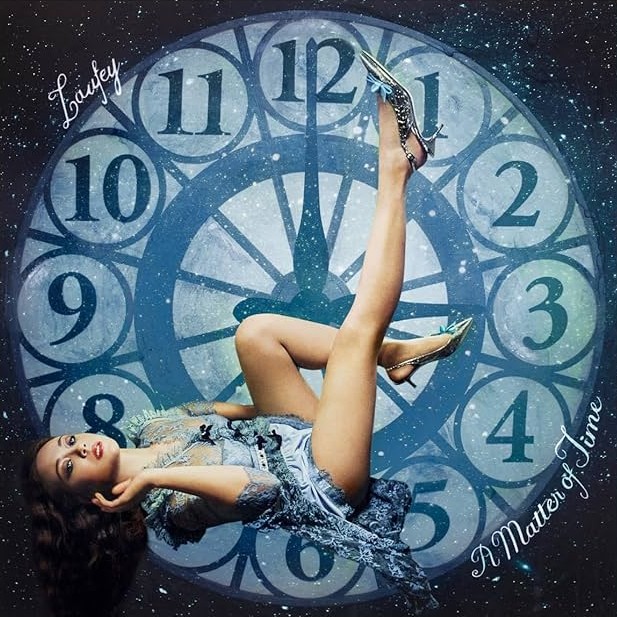
Laufey - A Matter of Time

I chose A Matter of Time by Laufey because her music is a combination of genres that I have always been drawn to. I like jazz, and Laufey’s sound blends that style with pop in a way that feels both modern and timeless. I think her music is especially compelling to me because of its classical influence. She often sings with an operatic tone, and her background in classical music as a cellist shapes the structure and emotional depth of her songs. That classical foundation gives her music a richness that sets it apart from typical pop albums.

This album is important to me because it feels versatile and comforting. My favorite song, “Lover Girl,” is especially catchy and lively, and I think it is good to listen to in everyday moments. It is the kind of song I enjoy playing while going on a walk or cleaning my room. Overall, I think this studio album captures why I appreciate Laufey as an artist. She creates music that is approachable and fun, yet grounded in a strong classical background.

Arachnophonia: Grover Washington Jr. “Winelight”

Editor’s note: Arachnophonia (“Arachno” = spider / “-phonia” = sound) is a regular feature on our blog where members of the UR community can share their thoughts about resources from the Parsons Music Library‘s collection.

All links included in these posts will take you to either the library catalog record for the item in question or to additional relevant information from around the web.

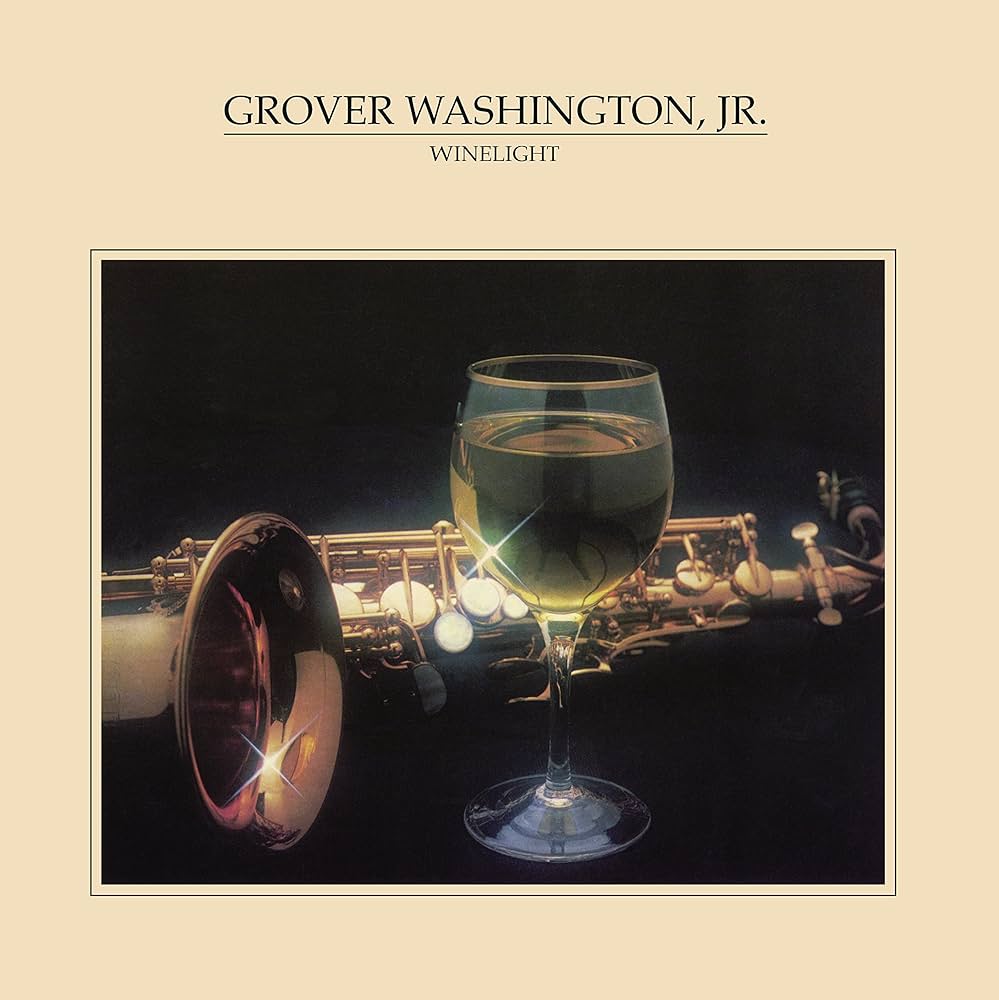
Today’s installment of Arachnophonia is by student manager Rocio (class of 2027) and features a song from Grover Washington Jr.’s 1980 album Winelight. Thanks, Rocio!

Grover Washington Jr.
Winelight

“Just the Two of Us”

Grover Washington, Jr. - Winelight album cover

While I was walking through the vinyl section of the library, I ran into a major throwback: the record featuring “Just the Two of Us.” It’s one of those songs that can totally lock you in or give you just the right amount of motivation at the beginning of the semester. Just you, the music, and your assignment lining up perfectly and locking in. That said, it’s way too early in the semester to be stressing about procrastination and deadlines when it’s literally only week one.

I don’t know if you’ve noticed, but with 2026 feeling like the new 2016, nostalgia is definitely in the air. Naturally, I had to bring this jazzy vinyl back into rotation.

For a little background: “Just the Two of Us” was released (as a single) in 1981 by Grover Washington Jr., featuring Bill Withers, and it’s one of those rare songs that blends jazz, soul, and R&B so smoothly that it never really goes out of style. AND it won a Grammy Award! In addition, this record has been sampled and referenced countless times since, which probably explains why it still feels so familiar even decades later.

This vinyl is perfect whether you’re listening in a library study room, vibing with your AirPods on (yes, you can do that in this library, kind of iconic if you ask me), or checking it out to play in your dorm and fully romanticize your evening. It’s low-key, timeless, and the kind of sound that makes studying, just existing, or feeling a little cooler.

Arachnophonia: The Miles Davis Story

Editor’s note: Arachnophonia (“Arachno” = spider / “-phonia” = sound) is a regular feature on our blog where members of the UR community can share their thoughts about resources from the Parsons Music Library‘s collection.

All links included in these posts will take you to either the library catalog record for the item in question or to additional relevant information from around the web.

Today’s installment of Arachnophonia is by student manager Griffin (class of 2027) and features a film documentary about jazz legend Miles Davis. Thanks, Griffin!

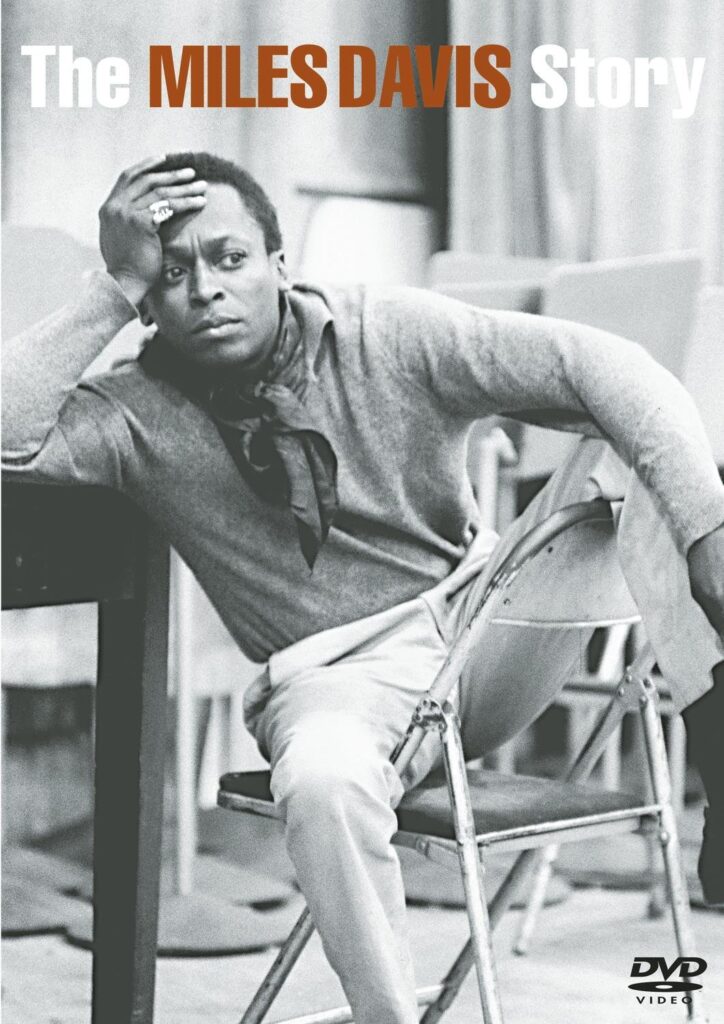
The Miles Davis Story

The Miles Davis Story

A revolutionary figure in the Jazz genre, Miles Davis is the most influential figure in Jazz since Louis Armstrong. The British documentary The Miles Davis Story follows the artist throughout his career, beginning from high school up until his death. The film explores the man behind the music through a collection of interviews from his close musician colleagues, family, friends, past relationships, historians and rare interview footage of Miles himself.

What I found very interesting was how popular Miles Davis became outside America. Europeans were much more accepting and interested in Jazz than back home, where the scene for the genre was dying in New York. They held Davis to a higher regard as well, treating his music as high-class art, and he wasn’t scrutinized for drinking or smoking like he would in the U.S. for “indecent behavior.” Another topic I found surprising was the amount of direct conflict Miles Davis faced with segregation. I have never thought of the artist as very political, but it was unavoidable for him not to confront these truths, partially from the flamboyant lifestyle that many did not approve of. Aware of these cultural tensions, he often supported other black artists and figures. Davis was incredible at finding new talent to play alongside and drive for new innovations in sound throughout his entire career. This is proven by just how many bandmates were interviewed.

The artist didn’t come without his flaws. The documentary explores every facet of his pioneering career, which includes issues with his romantic affairs and struggle with drugs that ultimately played a part in his untimely death. Throughout it all, one thing was certain: Miles Davis had a gift to constantly innovate his music at every age and cared more passionately about his work than anything. His story is quite reminiscent of another late and great legend of music, Prince, who would follow in remarkably similar footsteps. The film’s interviews add great layers to who this artist really was, on top of the beautiful music, and some gorgeous photography and cinematography of Miles Davis throughout his life. Check out The Miles Davis Story from the music library today to see it for yourself!

Arachnophonia: Frank Sinatra “Strangers in the Night”

Editor’s note: Arachnophonia (“Arachno” = spider / “-phonia” = sound) is a regular feature on our blog where members of the UR community can share their thoughts about resources from the Parsons Music Library‘s collection.

All links included in these posts will take you to either the library catalog record for the item in question or to additional relevant information from around the web.

Today’s installment of Arachnophonia is by student manager Rocio (class of 2027) and features a vinyl record by Frank Sinatra. Thanks, Rocio!

Finding an Old Soul in the Stacks: My Afternoon with Frank Sinatra
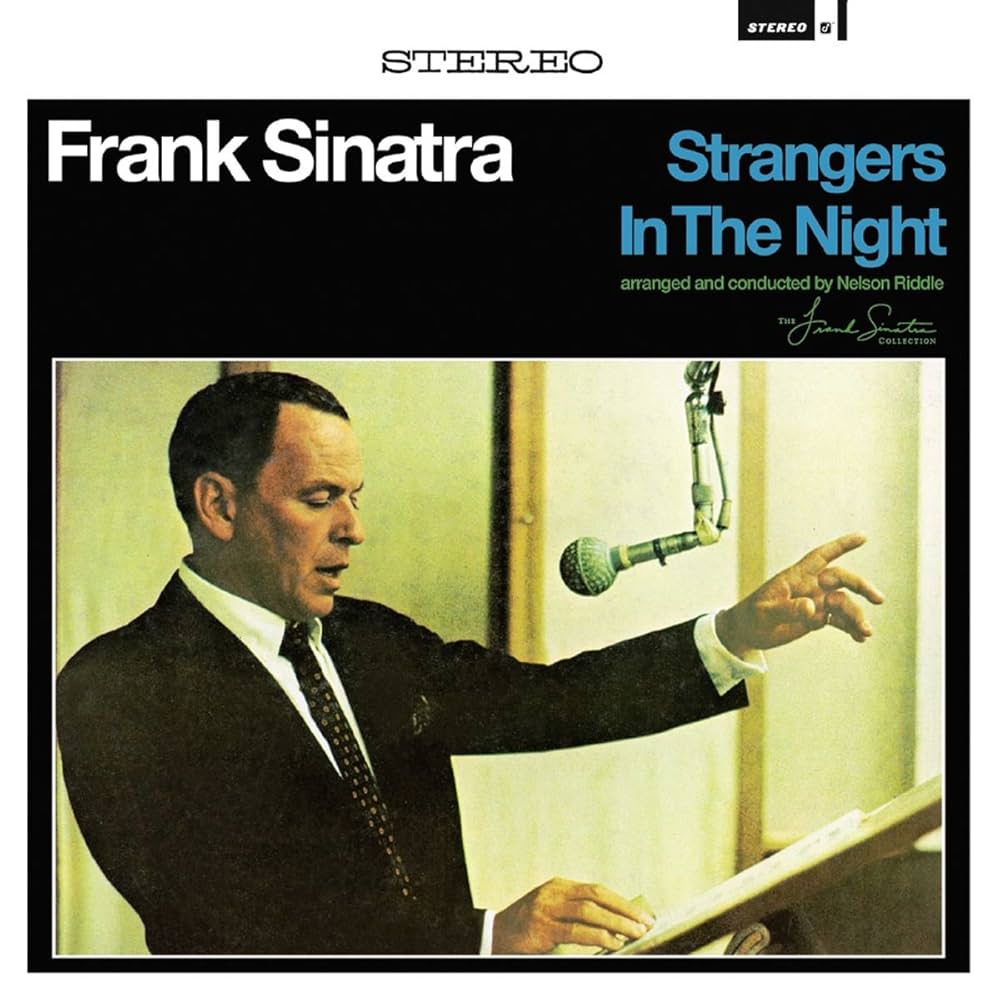
Frank Sinatra - Strangers in the Night (1966 album cover)

We all have our study traps: 8:15, tea, coffee, or the intense silence of the top floor of the main library. My go-to lately has been the Music Library, not just for the quiet, but for the escape.

I found myself in front of the vinyl section, and my eyes went directly to the Frank Sinatra – Strangers in the Night record. It felt like finding a classic novel you’ve only ever heard quoted. I pulled out the vinyl: the cover was cool but simple. It was just Sinatra, looking effortlessly detached. It felt like an invitation.

The best part is that I didn’t even need to own a record player to listen to it. And yes, I know I can find Sinatra on Spotify (hot take: I really don’t like Apple Music); but I sometimes like going to the source. There’s something about vinyl that makes the music feel more authentic —- but that’s just my opinion.

Anyways, back to the amazing players we have in the library (one in study room 1, one in the main reading room and a portable record player you can check out). I took the record over, plugged my AirPods into the player, and lowered the needle. An unmistakable trumpet began, and Sinatra’s voice cut through—smooth, clear, and completely transporting. I listened to the whole album. There’s an intentionality to vinyl that an algorithm can’t replicate.

This is the secret no one tells you about the Music Library: it’s not just a resource; it’s an experience. It’s a chance to connect with music the way it was originally meant to be heard — with intention. You’re not just clicking ‘shuffle’; you’re handling art, carefully placing the needle, and committing to an entire album’s journey.

So, whether you’re a vinyl veteran or just vibe-curious, I challenge you. Go to the Music Library. Find
that call number (in this case, RM 1630.18.S47), just browse the vinyl section until an icon calls out to you, or ask one of our friendly library staff to help you find something!

Plug in your headphones at the turntable station and have a private listening party. Or, if you’re like me and the experience was too good to leave behind, you can simply check it
out. Yes, you can take Frank Sinatra back to your dorm, just remember to bring him back to the Music Library too.

Arachnophonia: George Gershwin’s “Piano Concerto in F”

Editor’s note: Arachnophonia (“Arachno” = spider / “-phonia” = sound) is a regular feature on our blog where members of the UR community can share their thoughts about resources from the Parsons Music Library‘s collection.

All links included in these posts will take you to either the library catalog record for the item in question or to additional relevant information from around the web.

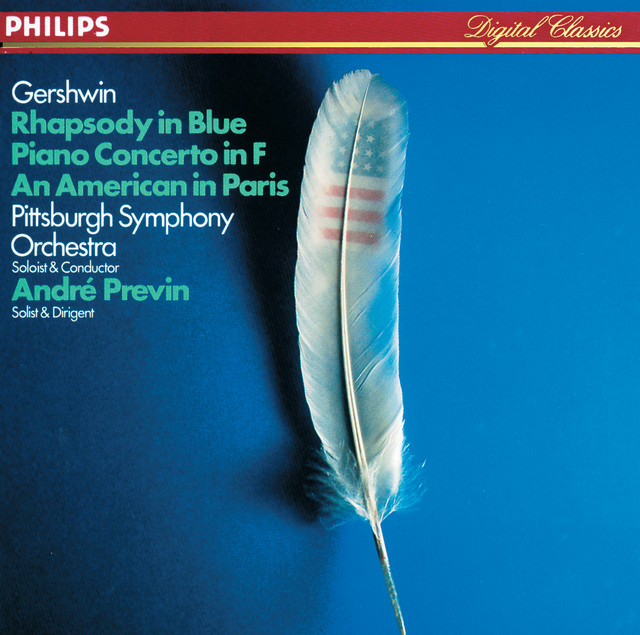
Today’s installment of Arachnophonia is by student assistant Alexandra (class of 2026) and features American composer George Gershwin’s “Piano Concerto in F”. Thanks, Alex!

George Gershwin

Piano Concerto in F

George Gershwin was an American composer who revolutionized the music scene in the early 1900s, merging the new jazz genre with classical. His experimental piece Rhapsody in Blue merged a classical orchestra with concert piano in a pseudo-piano concerto form to wild acclaim. Despite classical music’s rigid and highly critical tradition, Gershwin created a way for listeners to experience the new American jazz style in a concert hall setting. The rapid success of Rhapsody in Blue gave Gershwin a chance to compose a full-length concerto in 1925, his now immortal Piano Concerto in F. Gershwin’s longest work, the concerto is divided into three movements which each highlight a distinct style of jazz.

The first movement, I. Allegro moderato, uses the Charleston and features syncopation in a swing style just debuting in the US at the time. Its first climax introduces the piano into the concerto in a melancholy start, quickly dazzling listeners with key changes and pentatonic scales uncommon to classical piano concertos. A second climax features sweeping strings and huge chord progressions before descending into more syncopated rhythms that one could imagine dancing to in the 1920s.

The second movement, II. Andante con moto, is a slow section similar to an Adagio or Largo movement but uses a blues feel to characterize the emotional equivalents in typical classical movements. His alternations of instruments soloing the main theme, whether that be violin, piano, or trumpet, represent the big band jazz style growing during the concerto’s premier.

The third movement, III. Allegro agitato, starts with a flourish of woodwinds and brass to begin an exciting, fast-paced theme introduced in the first movement. Gershwin continues to experiment with jazz-inspired chords and syncopated rhythms, emblematic of his American heritage and pride in the new music genre.

Overall, Gershwin’s experimental Piano Concerto in F expands upon his work with Rhapsody in Blue and the excitement surrounding American jazz during the 1920s. Gershwin once asked another modernizing composer, Maurice Ravel, to mentor him. Ravel promptly rejected the request, stating “Why would I teach you to become a second-rate Ravel when you are already a first-rate Gershwin?” The unique output of Gershwin and his exciting Piano Concerto in F leave a lasting impression on listeners about the development of American music to rival great classical composers of Europe.