Editor’s note: Arachnophonia (“Arachno” = spider / “-phonia” = sound) is a regular feature on our blog where members of the UR community can share their thoughts about resources from the Parsons Music Library‘s collection.
All links included in these posts will take you to either the library catalog record for the item in question or to additional relevant information from around the web.
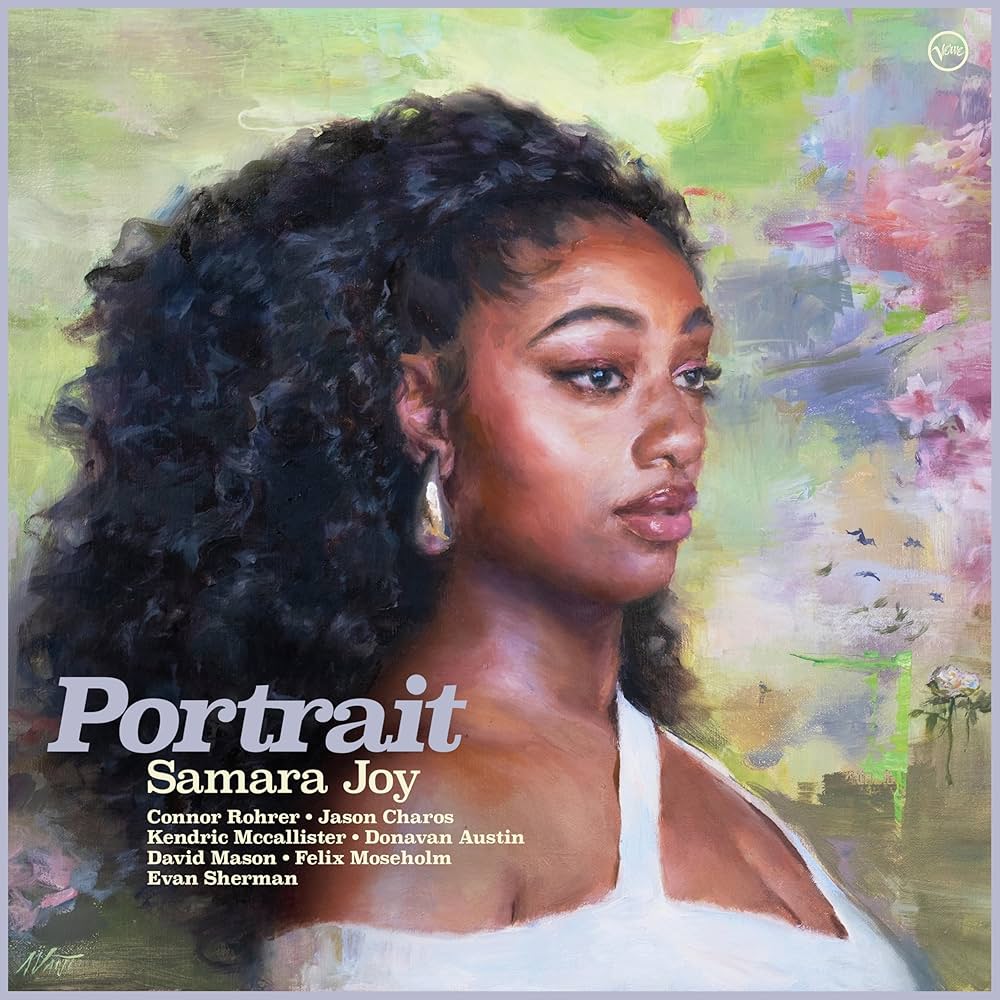
Today’s installment of Arachnophonia is by student manager Laeticia (class of 2026) and features Samara Joy’s 2024 album Portrait. Thanks, Laeticia!
Samara Joy
Portrait
Samara Joy’s Voice Is the Jazz Revival We Needed
I have always loved jazz. The problem is, I only ever reached for the classics: John Coltrane, Ella Fitzgerald, Billie Holiday, etc. My relationship with the genre lived comfortably in the past, and I had convinced myself that is just where great jazz existed. Then I put on Samara Joy’s Portrait vinyl, and suddenly the future of jazz felt exciting.
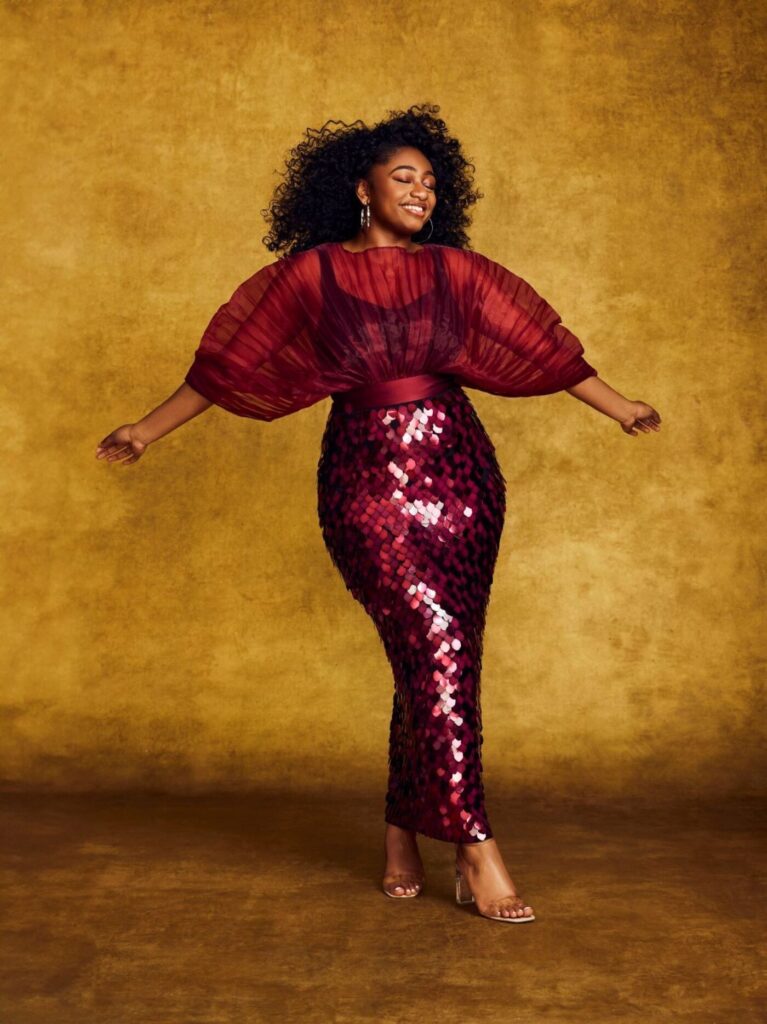
Samara Joy is a 25-year-old vocalist from the Bronx who has been sweeping award shows and proving that jazz is not a museum piece, but is still evolving. Coming from a gospel background, she channels the spirit of the legends I grew up listening to, but she does not imitate them. She is carrying the tradition forward in her own voice, and that distinction matters.
Listening to tracks like “A Fool in Love (Is Called A Clown)” and “You Stepped Out Of A Dream” on the Portrait vinyl reminded me why I fell in love with jazz in the first place. That warmth, that intimacy, the way a vocalist can make you feel like they are singing directly to you. It is all there. But what really struck me was realizing I had been missing out on this entire generation of artists because I had stopped looking forward. Samara Joy reignited something I did not realize had dimmed within me. I was reminded of how one’s soul comes alive through soul full music.
The vinyl experience made it even more powerful. This was not just background music. It captured my attention and encouraged me to be intentional with how I consume jazz music. Hearing the depth of her voice, the live-room feel of the recording, the deliberate space in the arrangements, it all reminded me that jazz sounds best when you are fully present for it. No shuffling playlists, just sitting with the music the way it deserves.
What gives me hope is that artists like Samara Joy are introducing jazz to younger audiences while respecting what made the genre great. She’s proof that jazz is not stuck in the past. It is just waiting for the right voices to carry it into the future. If you, like me, have been living in the archives, Portrait by Samara Joy is your invitation to care about contemporary jazz again.