Arachnophonia: Tokyo Kosei Wind Orchestra, Volume 1

Editor’s note: Arachnophonia (“Arachno” = spider / “-phonia” = sound) is a regular feature on our blog where members of the UR community can share their thoughts about resources from the Parsons Music Library‘s collection.

All links included in these posts will take you to either the library catalog record for the item in question or to additional relevant information from around the web.

Today’s installment of Arachnophonia is by student manager Sophia (class of 2028) and features her impressions while listening to a vinyl LP of the Tokyo Kosei Wind Orchestra. Thanks, Sophia!

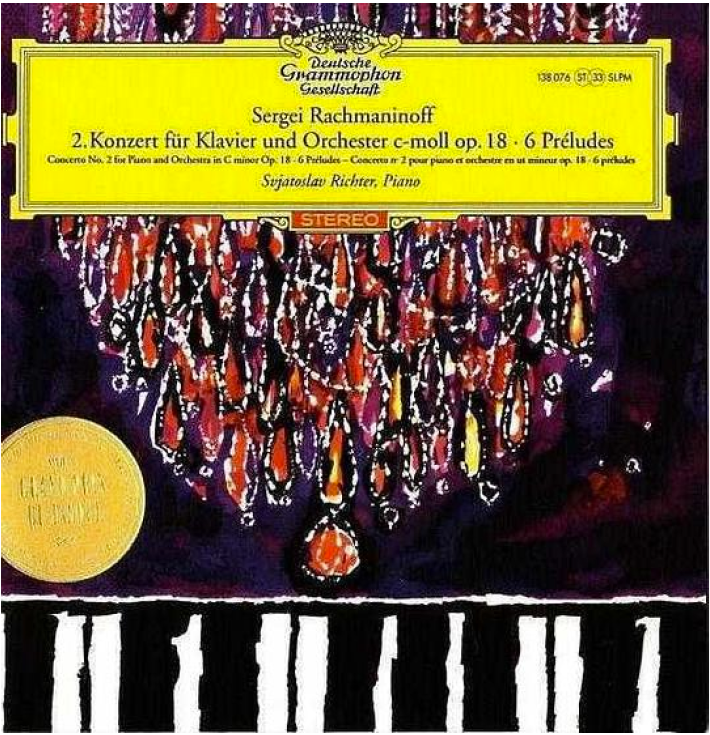
Tokyo Kosei Wind Orchestra, Volume 1

Tokyo Kosei Wind Orchestra, Volume 1

The first piece on this album (“Symphony no. 2, The seal of the three laws by Robert Jager) begins in a lively way, almost like the opening for a Disney movie. As the piece goes on, the rhythm builds faster and faster, then gradually slows down before picking up the speed again. The sound of drums, trumpets, and trombones makes it feel like a rollercoaster ride, constantly going up and down. The pitch follows the same pattern, jumping from very high notes to suddenly dropping into very low ones.

My overall impression of this piece is that it reminded me of one of my favorite childhood cartoons, Tom and Jerry. The fast-paced rhythm feels like the chase scenes where Tom will run after Jerry and suddenly stop. The suspense rhythm reminds me of when one of them starts to plot something sneaky.

I would recommend this album to anyone who enjoys lively, playful music or who wants to experience a rollercoaster ride filled with sounds and imagination.

Arachnophonia: The Architect of Music – How Bach Built Cathedrals in Sound

Editor’s note: Arachnophonia (“Arachno” = spider / “-phonia” = sound) is a regular feature on our blog where members of the UR community can share their thoughts about resources from the Parsons Music Library‘s collection.

All links included in these posts will take you to either the library catalog record for the item(s) in question or to additional relevant information from around the web.

Today’s installment of Arachnophonia is by student manager Nikoloz (class of 2026) and features works relating to Baroque composer Johann Sebastian Bach (1685-1750). Thanks, Nikoloz!

The Architect of Music: How Bach Built Cathedrals in Sound

Johann Sebastian Bach (1685-1750)

We often think of classical music as elegant and pleasant. But listen to Johann Sebastian Bach not for melody, but for structure. He wasn’t just a composer; he was a master architect who built intellectual and spiritual cathedrals using only notes.

Working in 18th-century Germany, Bach was less a tormented artist and more a brilliant craftsman, composing for the church and court. Yet, within that formal role, he achieved a superhuman balance of mathematical precision and profound emotion.

Consider his Goldberg Variations. It begins with a simple, graceful “Aria.” What follows is not just a series of songs, but a universe built from that single theme.

Bach takes this Aria and puts it through 30 different transformations. He creates canons at every interval, turns it into a furious fugue, a delicate dance, and a mournful lament. Every variation is a new room in this vast musical palace, yet the blueprint of the original Aria is always there. It is a breathtaking display of controlled invention.

Why This Matters for You

You don’t need to be a musician to appreciate Bach’s genius. Listening to his work is like watching a master engineer solve an impossible puzzle. There is a deep, human satisfaction in hearing complex parts interlock perfectly.

In a world of chaotic noise and fleeting trends, Bach offers a different experience: the beauty of perfect order. It is music that appeals equally to the heart and the mind, a timeless structure you can return to again and again to find both solace and awe.

The World of the Bach Cantatas, edited by Christoph Wolff

Find out more about Bach and his work at the Parson’s Music Library through books like The World of the Bach Cantatas or streaming audio and more!

Arachnophonia: Kaytranada “BUBBA”

Editor’s note: Arachnophonia (“Arachno” = spider / “-phonia” = sound) is a regular feature on our blog where members of the UR community can share their thoughts about resources from the Parsons Music Library‘s collection.

All links included in these posts will take you to either the library catalog record for the item in question or to additional relevant information from around the web.

Today’s installment of Arachnophonia is by student manager Laeticia (class of 2026) and features Kaytranada’s 2019 album BUBBA on vinyl. Thanks, Laeticia!

Kaytranada
BUBBA

Kaytranada - BUBBA

Why Kaytranada’s BUBBA Deserves A Spot in Every Vinyl Collection

If you’re into groove therapy or just love music that makes you move without even trying, then Kaytranada’s BUBBA deserves a spot on your shelf.

Kaytranada, whose real name is Louis Kevin Celestin, is a Haitian-Canadian DJ and producer from Montreal. His music mixes electronic, funk, R&B, and house in a way that just makes you feel good. He started making beats in his bedroom and built his name by creating songs that are perfect for summer nights, long drives, and heating up a dance floor, all at once.

His album BUBBA is one of those projects that instantly lifts your mood. This album feels like movement. It’s vibrant, warm, and effortlessly smooth with every song rolling into the next like a perfect DJ set. It’s full of songs that make you want to move, but also just chill and listen at the same time. I think “10%” is probably the song most people know, but tracks like “What You Need” and “Midsection” are just as catchy. What I love most is how the album strikes a balance between dance floor energy and deep reflection. It really just vibes.

Now, let’s talk vinyl. The BUBBA vinyl isn’t your regular spin, it’s an immersive experience. It sounds warm and alive, like you’re right there in the studio. Kaytranada is known for being open about who contributes to each track, giving the record a sense of collaboration that’s rare in electronic music. Plus, if you’re into samples, you’ll have fun figuring out where some of his sounds come from. If you’re curious about who he works with or which classic tracks he’s flipped into his own, the vinyl cover breaks it all down. It even includes a poster that ties the whole aesthetic together.

The mood of BUBBA is pure good energy. It’s perfect for when you’re just chilling, getting ready, or turning a lazy Sunday cleaning session into a mini dance break. It’s for anyone who loves music that moves with purpose and personality. If your vinyl shelf doesn’t have Kaytranada yet, it’s time to make some space because BUBBA doesn’t just play, it feels alive.

Arachnophonia: Ariana Grande “Eternal Sunshine”

Editor’s note: Arachnophonia (“Arachno” = spider / “-phonia” = sound) is a regular feature on our blog where members of the UR community can share their thoughts about resources from the Parsons Music Library‘s collection.

All links included in these posts will take you to either the library catalog record for the item in question or to additional relevant information from around the web.

Today’s installment of Arachnophonia is by student assistant Mia (class of 2026) and features Ariana Grande’s 2024 album Eternal Sunshine on vinyl. Thanks, Mia!

Ariana Grande
Eternal Sunshine

Ariana Grande - Eternal Sunshine

Ariana Grande’s 7th studio album titled Eternal Sunshine was released in 2024. This album has a wide range of music with upbeat pop anthems as well as meaningful ballads. The inspiration behind this album came from the movie Eternal Sunshine of the Spotless Mind released in 2004. This film looks at two people who go to extreme lengths to forget each other after a rough breakup, and analyzes memories and love. These are themes Grande has experienced through her own relationships with the loss of her ex-boyfriend Mac Miller, and the divorce of her ex-husband Dalton Gomez. The movie features themes of love, breakups, healing, and growth much like the themes in Ariana Grande’s album.

The diversity of songs across the entire album reach a wide range of audiences, and is played frequently on the University of Richmond’s campus. And unlike her past albums, Grande uses less of her impressive vocal abilities such as her vocal range and runs. Instead, she focuses on the themes of the movie and her lyrics, allowing for a more vulnerable and emotional sound. Critics believe this is her most mature sounding album of her career and shows experimentation and vulnerability.

Parsons Music Library carries a copy of Eternal Sunshine on vinyl. The vinyl record allows for a more rich and deep sound of the R&B songs featured in this collection. Additionally, the sides follow more closely with the themes of the album with the A side focusing on more of the heartbreak and the B side allowing for healing. I personally recommend giving it a listen on vinyl at Parsons!

Arachnophonia: Discover the Magic of Vinyl

Editor’s note: Arachnophonia (“Arachno” = spider / “-phonia” = sound) is a regular feature on our blog where members of the UR community can share their thoughts about resources from the Parsons Music Library‘s collection.

All links included in these posts will take you to either the library catalog record for the item in question or to additional relevant information from around the web.

Today’s installment of Arachnophonia is by student manager Nikoloz (class of 2026) and features the Music Library’s collection of vinyl records. Thanks, Nikoloz!

Discover the Magic of Vinyl

Record Player

In a world of digital streams and instant downloads, it’s easy to forget the rich, tactile experience of music. But tucked away on the shelves of the Parsons Music Library is a collection that offers just that: our incredible vinyl collection. If you’ve never dropped a needle on a record, you’re missing out on one of the most authentic and immersive ways to listen.

So, what exactly is vinyl? A vinyl record is an analog sound storage medium, a physical disc with grooves that a stylus reads to reproduce sound. But to reduce it to just a “storage medium” misses the point entirely. Vinyl is an experience. It’s the ritual of sliding the record out of its iconic sleeve, placing it on the turntable, and carefully cueing the needle. It’s the warm, rich, and often deeper sound that movies almost exaggerate. In an age of disposable digital files, vinyl demands your attention and makes listening to an album an event.

The best part? You don’t need to invest in your own expensive setup to experience it. The Music Library has a couple of turntables that students can use for free! They are located in study room W201A and the main reading room, providing the perfect quiet space to get lost in the music. We also have a portable record player that can be checked out and used outside the library.

Record display in main reading room with blu-ray record player on the left hand side of the picture!

Record display in main reading room with blu-ray record player on the left hand side of the picture!

Here’s how you can dive in:

Explore Our Collection: Choose from hundreds of albums that are already on our shelves. We have a diverse collection spanning decades and genres: from classic rock and jazz to modern indie and classical. It’s the perfect opportunity to discover something new or finally hear a legendary album the way it was originally meant to be heard.

Vinyl records in the Music Library stacks

Vinyl records in the Music Library stacks

OR, Bring Your Own Vinyl: Have a cherished collection at home or just picked up a new record from a local shop? Bring it in! Our turntables are ready for you.

Why Not Give It a Spin?

Next time you’re in the Parsons Music Library for a study session, take a different kind of break. Reserve a study room, pick out a record (or bring your own), and discover the unique magic of vinyl. It’s more than just listening; it’s connecting with music on a whole new level. Our friendly staff is always happy to help you get started and find the perfect album for your mood. Come and experience the sound that started a revolution!

Arachnophonia: K-Pop Dance: Fandoming Yourself in Social Media

Editor’s note: Arachnophonia (“Arachno” = spider / “-phonia” = sound) is a regular feature on our blog where members of the UR community can share their thoughts about resources from the Parsons Music Library‘s collection.

All links included in these posts will take you to either the library catalog record for the item in question or to additional relevant information from around the web.

Today’s installment of Arachnophonia is by student assistant Joyce (class of 2027) and features an ethnographic study about K-Pop dance and the evolution and presence of its dance fandom on social media. Thanks, Joyce!

K-Pop Dance: Fandoming Yourself on Social Media by Chuyun Oh

K-Pop Dance book cover

K-pop Dance: Fandoming Yourself on Social Media by Chuyun Oh explores how K-pop fans use dance and social media to express themselves and build global communities. Oh shows how fans on platforms like YouTube and TikTok recreate choreography, form connections across cultures, and blur the boundaries between performer and audience. Through this lens, K-pop becomes more than music, it transforms into a shared cultural practice that unites people through creativity and participation.

I was drawn to this book because I enjoy K-pop and often see K-pop dance videos online. Reading it helped me understand that these dances are not just entertainment but meaningful acts of self-expression and identity. The book reveals how social media shapes the way people connect, create, and find belonging within global pop culture.

Arachnophonia: Chappell Roan “The Rise and Fall of a Midwest Princess”

Editor’s note: Arachnophonia (“Arachno” = spider / “-phonia” = sound) is a regular feature on our blog where members of the UR community can share their thoughts about resources from the Parsons Music Library‘s collection.

All links included in these posts will take you to either the library catalog record for the item in question or to additional relevant information from around the web.

Today’s installment of Arachnophonia is by student manager Susanne (class of 2026) and features Chappell Roan’s The Rise and Fall of a Midwest Princess on vinyl. Thanks, Susanne!

Chappell Roan
The Rise and Fall of a Midwest Princess

Chappell Roan "The Rise and Fall of a Midwest Princess"

We have more new vinyls to share with you, including Chappell Roan’s hit 2023 album The Rise and Fall of a Midwest Princess. Roan’s debut studio album has really fun pop elements while exploring themes related to queer relationships, identity, and leaving home as a young adult.

The album is inspired by Roan’s experiences moving to Los Angeles from Missouri to pursue her music career. Her Midwest Princess Tour propelled Roan into global fame and positive reception, culminating in her Grammy win for Best New Artist in 2025.

She writes some of the catchiest choruses you’ve ever heard, including in viral songs like “Pink Pony Club” and “HOT TO GO.” The upbeat pop songs are staples in my playlists, but I also love the more emotionally candid songs like “Kaleidoscope.” Roan’s music truly sticks with you and reveals something new in each listen. It’s definitely a no-skip album with a lot of heart and relevance for young LGBTQ+ listeners.

Arachnophonia: The Miles Davis Story

Editor’s note: Arachnophonia (“Arachno” = spider / “-phonia” = sound) is a regular feature on our blog where members of the UR community can share their thoughts about resources from the Parsons Music Library‘s collection.

All links included in these posts will take you to either the library catalog record for the item in question or to additional relevant information from around the web.

Today’s installment of Arachnophonia is by student manager Griffin (class of 2027) and features a film documentary about jazz legend Miles Davis. Thanks, Griffin!

The Miles Davis Story

The Miles Davis Story

A revolutionary figure in the Jazz genre, Miles Davis is the most influential figure in Jazz since Louis Armstrong. The British documentary The Miles Davis Story follows the artist throughout his career, beginning from high school up until his death. The film explores the man behind the music through a collection of interviews from his close musician colleagues, family, friends, past relationships, historians and rare interview footage of Miles himself.

What I found very interesting was how popular Miles Davis became outside America. Europeans were much more accepting and interested in Jazz than back home, where the scene for the genre was dying in New York. They held Davis to a higher regard as well, treating his music as high-class art, and he wasn’t scrutinized for drinking or smoking like he would in the U.S. for “indecent behavior.” Another topic I found surprising was the amount of direct conflict Miles Davis faced with segregation. I have never thought of the artist as very political, but it was unavoidable for him not to confront these truths, partially from the flamboyant lifestyle that many did not approve of. Aware of these cultural tensions, he often supported other black artists and figures. Davis was incredible at finding new talent to play alongside and drive for new innovations in sound throughout his entire career. This is proven by just how many bandmates were interviewed.

The artist didn’t come without his flaws. The documentary explores every facet of his pioneering career, which includes issues with his romantic affairs and struggle with drugs that ultimately played a part in his untimely death. Throughout it all, one thing was certain: Miles Davis had a gift to constantly innovate his music at every age and cared more passionately about his work than anything. His story is quite reminiscent of another late and great legend of music, Prince, who would follow in remarkably similar footsteps. The film’s interviews add great layers to who this artist really was, on top of the beautiful music, and some gorgeous photography and cinematography of Miles Davis throughout his life. Check out The Miles Davis Story from the music library today to see it for yourself!

Arachnophonia: Jay-Z “The Blueprint 3”

Editor’s note: Arachnophonia (“Arachno” = spider / “-phonia” = sound) is a regular feature on our blog where members of the UR community can share their thoughts about resources from the Parsons Music Library‘s collection.

All links included in these posts will take you to either the library catalog record for the item in question or to additional relevant information from around the web.

Today’s installment of Arachnophonia is by student manager Ibrahim (class of 2028) and features Jay-Z’s 2009 studio album The Blueprint 3. Thanks, Ibrahim!

Jay-Z
The Blueprint 3

Jay-Z - The Blueprint 3 album cover

The Blueprint 3 is Jay-Z’s eleventh studio album, released in 2009. It marked a new era for the legendary rapper, showcasing his growth as an artist while embracing modern production and collaborations. The album includes some of Jay-Z’s biggest hits, such as “Empire State of Mind,” “Run This Town,” and “D.O.A. (Death of Auto-Tune).” The Blueprint 3 explores themes of success, ambition, and legacy, all set against sleek, forward-thinking beats that bridge hip-hop’s past and future.

What makes The Blueprint 3 special is its blend of confidence and reflection. Jay-Z celebrates achievement but also examines what it means to stay relevant in a changing world. “Empire State of Mind” became an anthem for perseverance and pride, while songs like “Young Forever” remind listeners of the fleeting nature of fame and time. Whether you’re a longtime hip-hop fan or new to Jay-Z’s music, this album captures both the sound and spirit of an artist at the height of his influence.

The Parsons Music Library has The Blueprint 3 available on CD, so you can experience its powerful mix of beats and ideas yourself. Whether you want to reflect on its lyrics, study its production, or just enjoy its energy, The Blueprint 3 remains one of Jay-Z’s defining works.

Arachnophonia: Billy Joel “The Stranger”

Editor’s note: Arachnophonia (“Arachno” = spider / “-phonia” = sound) is a regular feature on our blog where members of the UR community can share their thoughts about resources from the Parsons Music Library‘s collection.

All links included in these posts will take you to either the library catalog record for the item in question or to additional relevant information from around the web.

Today’s installment of Arachnophonia is by student assistant Julie (class of 2028) and features Billy Joel’s classic 1977 album The Stranger. Thanks, Julie!

Billy Joel
The Stranger

Billy Joel - The Stranger (1977) album cover

The Stranger is easily my favorite album by American pianist and singer-songwriter, Billy Joel. I grew up hearing his music blasting from the radio and my dad’s speaker, and while this album contains several of his popular, more up-beat hits such as “Movin’ Out (Anthony’s Song)” and “Only The Good Die Young,” I have to admit that “Vienna” and “She’s Always A Woman” have my heart.

Easily recognizable by its iconic piano introduction, “Vienna” leaves the listener with a gentle reminder to stop and smell the roses as a young adult; life doesn’t end with old age!

She’s Always A Woman” is, I think, one of the most beautiful love songs out there. While it’s certainly mellow, the complexity of Joel’s melody and instrumentation make it stand out in a crowd without losing its approachability.

I’ll always jump at the chance to use my CD player, and for me, I found The Stranger to be the perfect soundtrack for a rainy day study session. With a stellar group of songs perfectly representing a wide variety of emotions, this album truly has something for everyone.