Arachnophonia: Ravel’s “Boléro”

Editor’s note: Arachnophonia (“Arachno” = spider / “-phonia” = sound) is a regular feature on our blog where members of the UR community can share their thoughts about resources from the Parsons Music Library‘s collection.

All links included in these posts will take you to either the library catalog record for the item in question or to additional relevant information from around the web.

Today’s installment of Arachnophonia is by student manager Alexandra (class of 2026) and features the score for Maurice Ravel’s “Bolero”. Thanks, Alex!
Maurice Ravel

Boléro

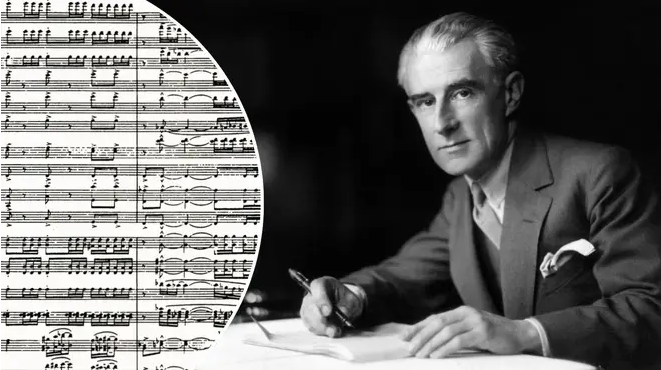
Maurice Ravel was a French composer who epitomized early 20th-century musical innovation, blending impressionism with striking originality. His most famous work, Boléro, premiered in 1928 at the Paris Opéra, mesmerizing audiences with its hypnotic repetition and orchestral ingenuity. Despite critics initially dismissing it as monotonous, Ravel created a masterpiece that demonstrated how a single, unchanging melody could build dramatic tension through orchestration alone. The overwhelming success of Boléro established Ravel as a master of orchestral color, proving that innovation need not rely on harmonic complexity.

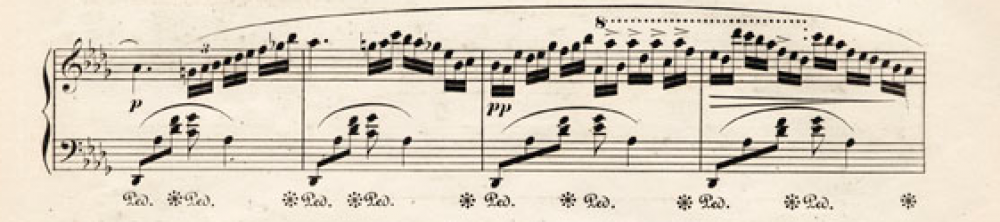
Boléro is a one-movement orchestral work lasting approximately fifteen minutes, built entirely on two alternating melodic themes in C major that repeat eighteen times without variation. The piece maintains an unwavering snare drum rhythm pattern throughout, a bolero rhythm borrowed from Spanish dance music. What begins as a barely audible melody played by a solo flute gradually transforms into a thunderous orchestral climax as Ravel systematically adds instruments in carefully calculated combinations. The genius lies in the kaleidoscope of instrumental colors he employs—from delicate piccolo and celesta to robust trombones and tubas. The relentless crescendo, spanning from pianissimo to fortissimo, builds inexorable momentum until the final, shocking modulation to E major releases the accumulated tension.

Ravel himself described Boléro as “orchestral tissue without music,” concerned that audiences would tire of its repetitive nature. Yet the work’s hypnotic power captivated listeners, becoming his most performed composition. The Spanish dancer Ida Rubinstein commissioned the piece as a ballet, and Ravel drew inspiration from the mechanical, trance-like quality of factory machinery. His meticulous orchestration transforms a simple dance rhythm into an exploration of pure sound, demonstrating that musical development can occur through timbre and dynamics rather than harmonic variation.

Overall, Ravel’s audacious Boléro remains one of the most recognizable works in the orchestral repertoire, its singular vision of gradual orchestral accumulation influencing composers and captivating audiences for nearly a century.
Arachnophonia: Tame Impala “Currents”

Editor’s note: Arachnophonia (“Arachno” = spider / “-phonia” = sound) is a regular feature on our blog where members of the UR community can share their thoughts about resources from the Parsons Music Library‘s collection.

All links included in these posts will take you to either the library catalog record for the item in question or to additional relevant information from around the web.

Today’s installment of Arachnophonia is by student manager Susanne (class of 2026) and features Tame Impala’s third studio album Currents. Thanks, Susanne!

Tame Impala

Currents

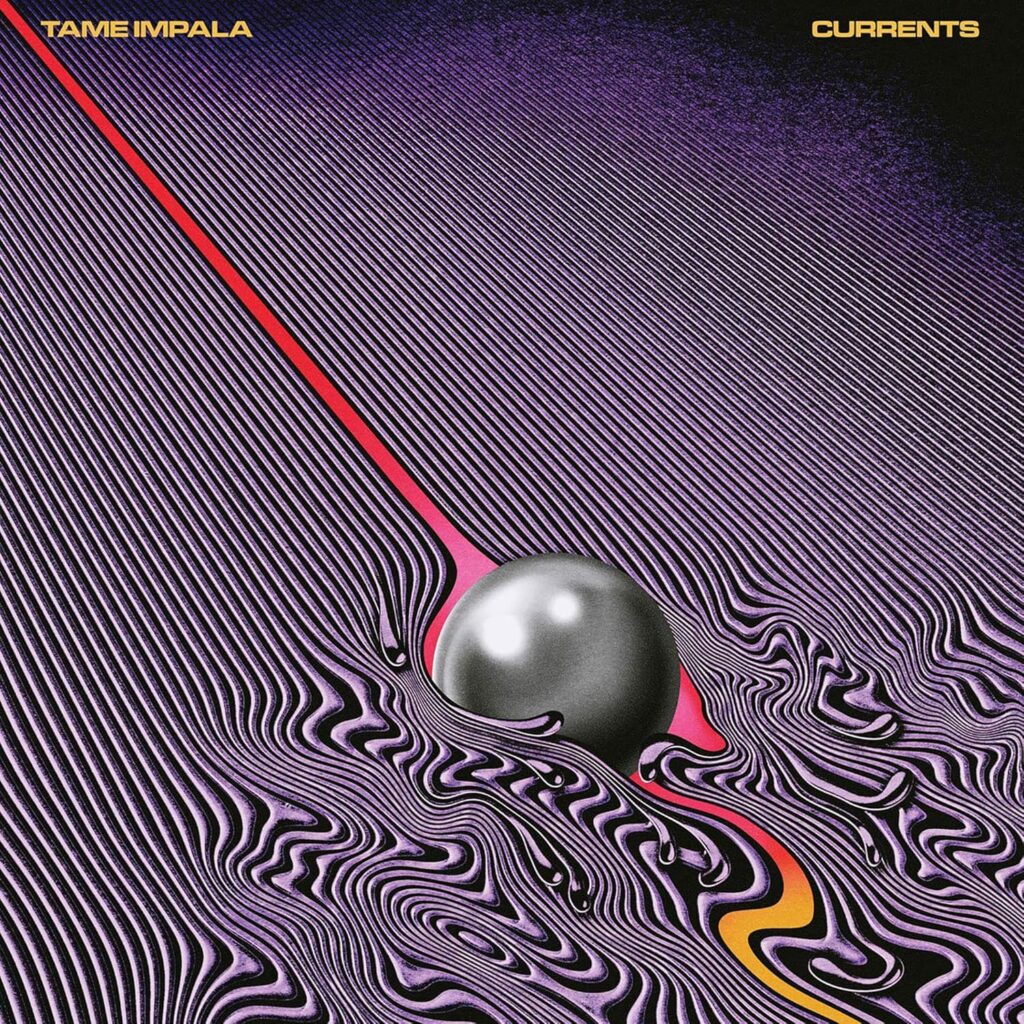
Tame Impala - "Currents" album cover

Tame Impala’s 2015 album Currents feels like the sound of someone who is mid-transformation. Kevin Parker traded in a lot of the psychedelic guitar sounds from earlier records for more R&B-influenced rhythms, pulsing basslines, and disco-esque dancing songs.

Underneath the shiny production is a super personal record about change: falling out of love, figuring yourself out, and realizing you’re not the same person you used to be. Tracks like “Let It Happen” and “Eventually” feel like emotional checkpoints, while “The Less I Know the Better” somehow turns awkward heartbreak into the perfect indie-dance anthem. The swirling, vortex-inspired artwork on the album captures the sense of motion and evolution throughout the tracks.

What makes Currents stick out to me is how human it feels despite all the polished production. Parker recorded most of it himself, and you can hear that obsessive attention to detail in every sound, beat, and vocal. It’s an album about letting go of control while also carefully crafting every sound, which is a contradiction that works kind of beautifully. Years later, it still feels like the perfect soundtrack for big life shifts: moving on, growing up, or just sitting with the weird mix of excitement and sadness that comes with change.

Arachnophonia: “The Musical Temperament” by Anthony E. Kemp

Editor’s note: Arachnophonia (“Arachno” = spider / “-phonia” = sound) is a regular feature on our blog where members of the UR community can share their thoughts about resources from the Parsons Music Library‘s collection.

All links included in these posts will take you to either the library catalog record for the item in question or to additional relevant information from around the web.

Today’s installment of Arachnophonia is by student manager Eliana (class of 2026) and features a book about music psychology as it relates to musicians. Thanks, Eliana!

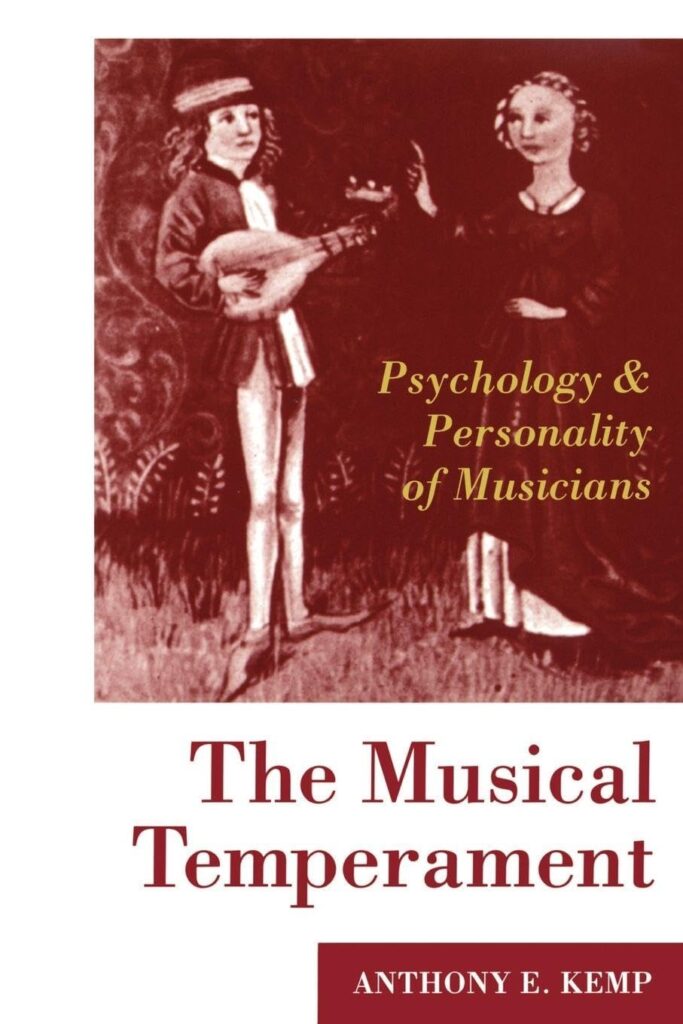
The Musical Temperament: Psychology and Personality of Musicians by Anthony E. Kemp

The Musical Temperament: Psychology and Personality of Musicians by Anthony E. Kemp

If you are interested in psychology and music, I recommend reading Anthony E. Kemp’s The Musical Temperament: Psychology and Personality of Musicians if you need some help understanding how research concerning the personalities of musicians has progressed over the years. Though it is heavy in research jargon, this book alerts the reader that this is a growing field that gives insight into how the different paths that musicians choose to take can influence their personality traits.

Published in 1996, The Musical Temperament: Psychology and Personality of Musicians is the first book to address connections of personality traits and psychological states with various types of musicians, including composers, teachers, and many more. The author introduces personality theories that have emerged over the decades and addresses the traits of anxiety, independence, sensitivity, introversion, and gender issues through the lenses of research and scholarly articles. Kemp also considers different forms of musicianship, such as singers or conductors, to demonstrate the impact that different skill sets have on personality and the predisposed path a musician may take in relation to these skills.

Arachnophonia: “K-Pop Demon Hunters” soundtrack

Editor’s note: Arachnophonia (“Arachno” = spider / “-phonia” = sound) is a regular feature on our blog where members of the UR community can share their thoughts about resources from the Parsons Music Library‘s collection.

All links included in these posts will take you to either the library catalog record for the item in question or to additional relevant information from around the web.

Today’s installment of Arachnophonia is by student manager Sophia (class of 2028) and features the soundtrack to K-Pop Demon Hunters on vinyl. Thanks, Sophia!

K-Pop Demon Hunters

Listening to the K-Pop Demon Hunters vinyl, the songs seemed much more calming compared to the ones I usually listen to on Spotify. For example, when you listen to “Takedown” (Jeongyeon, Jihyo, Chaeyoung) by TWICE on Spotify, it sounds very loud. “Golden” by Huntr/x also sounded softer on the vinyl than it does on Spotify, which I enjoyed. “What it Sounds Like” by Huntr/x felt very emotional because the vocals sounded soft and gentle, like they had so much to express but couldn’t. After this song. “Love, Maybe” by MeloMance played, and it sounded sweet. I especially like the flute part. There was a big contrast between these songs. I went from being very emotional to being filled with a sweet, loving atmosphere.

My favorite songs from the list were “Golden” by Huntr/x, “What it Sounds Like” by Huntr/x, and “Love, Maybe” by MeloMance. I could sit in the library all day, just listening to these songs while doing my homework. I definitely recommend this vinyl to any K-Pop Demon Hunters fans or anyone trying to find calm, soft music.

Arachnophonia: “Love & Theft: Blackface Minstrelsy and the American Working Class” by Eric Lott

Editor’s note: Arachnophonia (“Arachno” = spider / “-phonia” = sound) is a regular feature on our blog where members of the UR community can share their thoughts about resources from the Parsons Music Library‘s collection.

All links included in these posts will take you to either the library catalog record for the item in question or to additional relevant information from around the web.

Today’s installment of Arachnophonia is by student assistant Madelyn (class of 2028) and features a book about the racism and cultural appropriation inherent in blackface performance. Thanks, Madelyn!

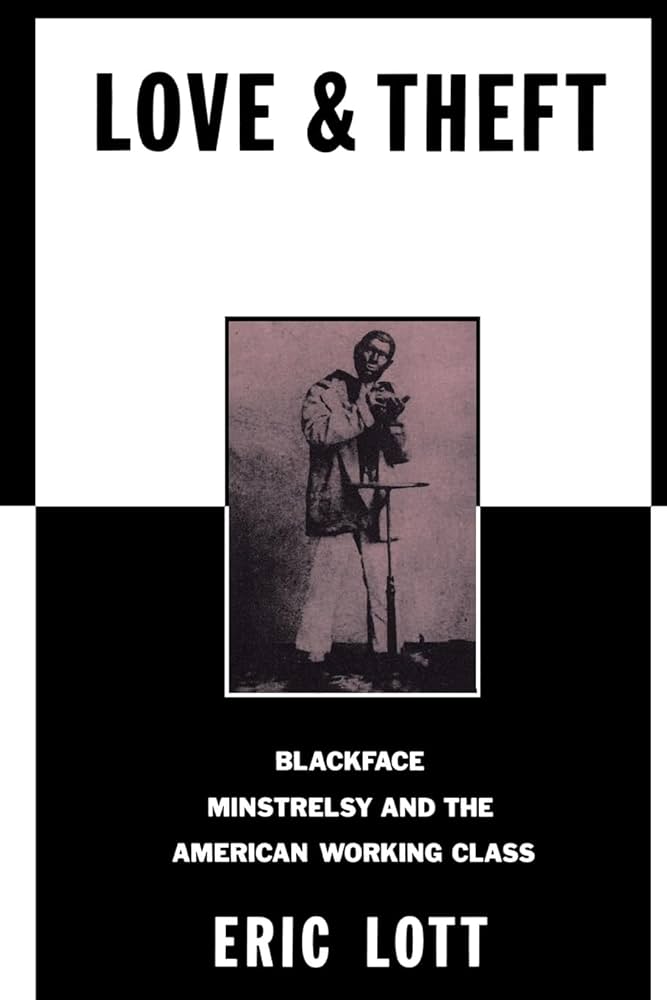
Love & Theft: Blackface Minstrelsy and the American Working Class by Eric Lott

Love and Theft by Eric Lott

During the 19th century, minstrel shows were key sources of entertainment, featuring songs, dances and comedic routines based on stereotyped depictions of Black individuals, by white actors with blackened faces. Using these real-life events as a foundation for the book, Love & Theft, Eric Lott delves deeper into the minstrelsy musical to portray and extract the hidden fascination and fear of Black culture and its ties with the complicated cultural performance. The title, Love & Theft reflects a deeper juxtaposition on Lott’s view on how although the American working class were fascinated by the African American language and music, they however stole and distorted these significant cultural forms and transformed them into models for their very own entertainment.

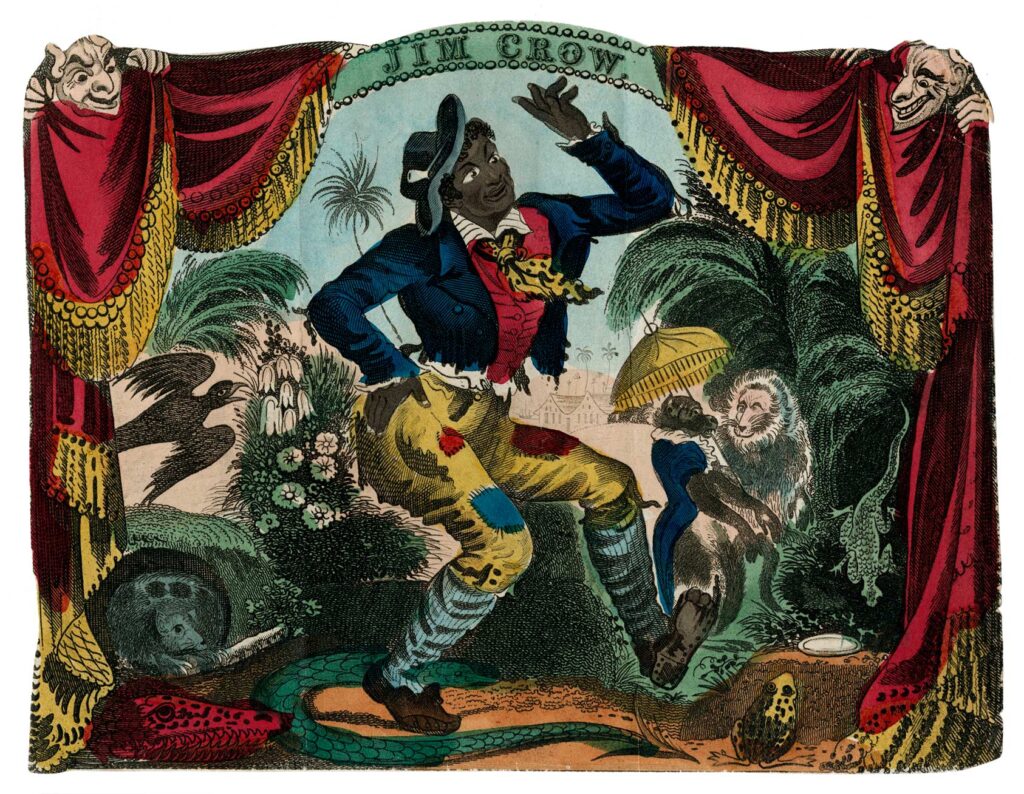
Actor Thomas Rice Playing “Jim Crow” in Blackface, New York City, 1833.

This book by Eric Lott explores the path within which minstrelsy was introduced during a period of social change, especially among the urban white working class. Lott provides a very thorough and fascinating explanation on how numerous working-class white men felt politically and economically powerless and as a result of this, the hope of Blackface performances became a medium through which they could express their frustrations, rebel against upper-class norms and forge a new shared identity. Nonetheless, in doing so, this new identity relied heavily on degrading stereotypes of Black people, through which Lott reveals how these performances influenced enduring racial stereotypes and its impact on American culture. I felt very inspired by this book as it revealed such a deep and complicated contradiction of white American’s admiration for Black culture whilst also reinforcing white supremacy in the same vein. Including how American culture has been molded by complex and unequal racial interactions. I believe Love & Theft will deeply push readers to comprehend how racism can especially coexist with cultural fascination and the certain influence of entertainment on social attitudes. I highly recommend checking out this book at the music library.

Arachnophonia: Samara Joy “Portrait”

Editor’s note: Arachnophonia (“Arachno” = spider / “-phonia” = sound) is a regular feature on our blog where members of the UR community can share their thoughts about resources from the Parsons Music Library‘s collection.

All links included in these posts will take you to either the library catalog record for the item in question or to additional relevant information from around the web.

Today’s installment of Arachnophonia is by student manager Laeticia (class of 2026) and features Samara Joy’s 2024 album Portrait. Thanks, Laeticia!

Samara Joy

Portrait

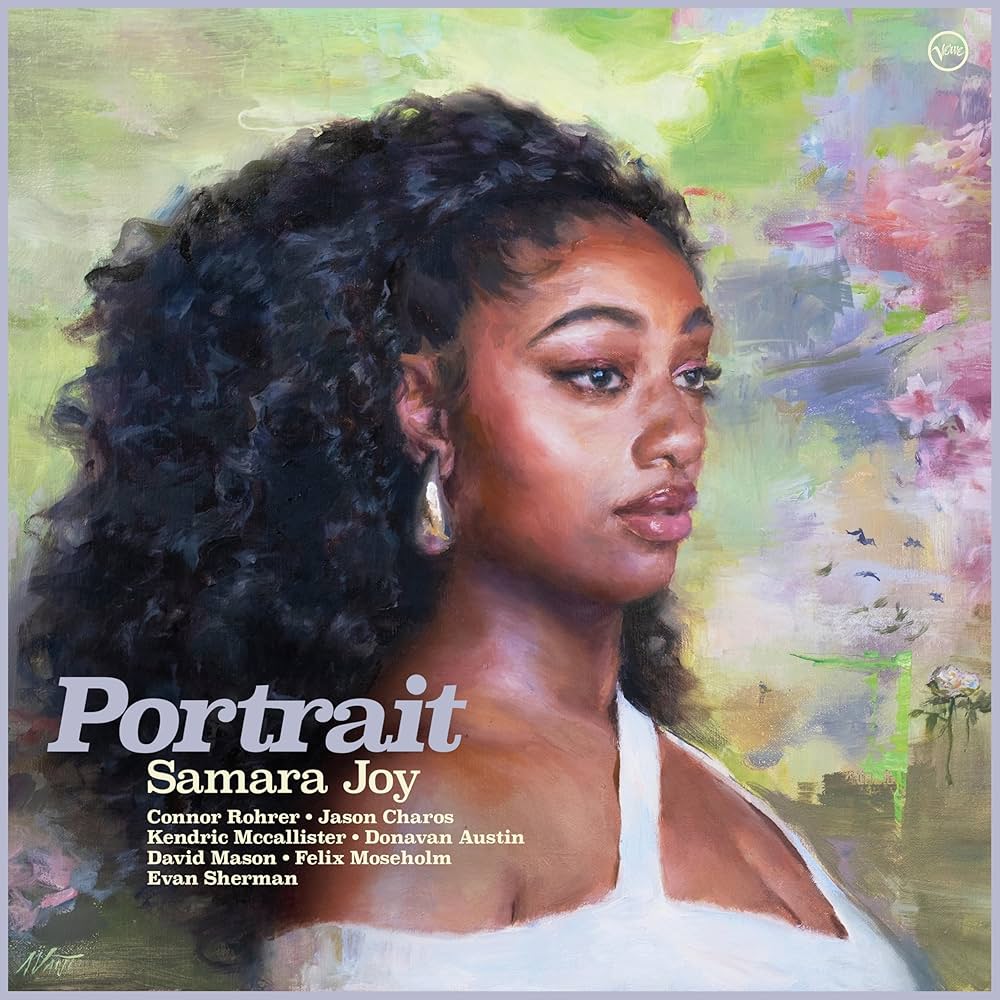
Samara Joy - Portrait (album cover)

Samara Joy’s Voice Is the Jazz Revival We Needed

I have always loved jazz. The problem is, I only ever reached for the classics: John Coltrane, Ella Fitzgerald, Billie Holiday, etc. My relationship with the genre lived comfortably in the past, and I had convinced myself that is just where great jazz existed. Then I put on Samara Joy’s Portrait vinyl, and suddenly the future of jazz felt exciting.

Samara Joy is a 25-year-old vocalist from the Bronx who has been sweeping award shows and proving that jazz is not a museum piece, but is still evolving. Coming from a gospel background, she channels the spirit of the legends I grew up listening to, but she does not imitate them. She is carrying the tradition forward in her own voice, and that distinction matters.

Listening to tracks like “A Fool in Love (Is Called A Clown)” and “You Stepped Out Of A Dream” on the Portrait vinyl reminded me why I fell in love with jazz in the first place. That warmth, that intimacy, the way a vocalist can make you feel like they are singing directly to you. It is all there. But what really struck me was realizing I had been missing out on this entire generation of artists because I had stopped looking forward. Samara Joy reignited something I did not realize had dimmed within me. I was reminded of how one’s soul comes alive through soul full music.

Samara-Joy-Portrait1

The vinyl experience made it even more powerful. This was not just background music. It captured my attention and encouraged me to be intentional with how I consume jazz music. Hearing the depth of her voice, the live-room feel of the recording, the deliberate space in the arrangements, it all reminded me that jazz sounds best when you are fully present for it. No shuffling playlists, just sitting with the music the way it deserves.

What gives me hope is that artists like Samara Joy are introducing jazz to younger audiences while respecting what made the genre great. She’s proof that jazz is not stuck in the past. It is just waiting for the right voices to carry it into the future. If you, like me, have been living in the archives, Portrait by Samara Joy is your invitation to care about contemporary jazz again.

Arachnophonia: “Sinners” soundtrack

Editor’s note: Arachnophonia (“Arachno” = spider / “-phonia” = sound) is a regular feature on our blog where members of the UR community can share their thoughts about resources from the Parsons Music Library‘s collection.

All links included in these posts will take you to either the library catalog record for the item in question or to additional relevant information from around the web.

Today’s installment of Arachnophonia is by student manager Julie (class of 2028) and features the soundtrack to the 2025 film Sinners on vinyl. Thanks, Julie!

Sinners

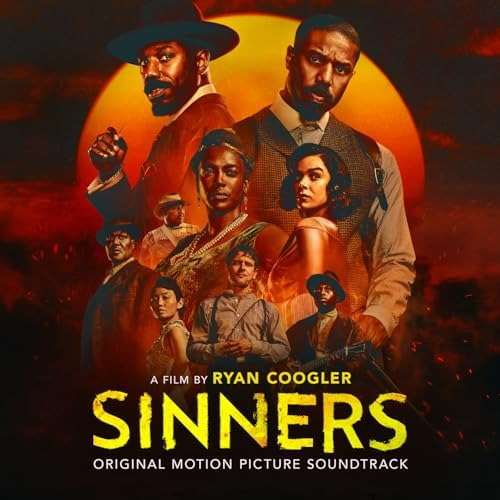
Sinners soundtrack album

The soundtrack of the 2025 vampire horror film Sinners features powerful renditions of known songs from the 1930s and early 1940s that bridge the gap between tradition and modernity. Guided by intentionality, historical accuracy, and his own experience with American blues music, producer Ludwig Göransson drew from various genres, including blues, Irish folk, gospel, jazz, and soul. Through its attention to technical detail and inventive blend of styles, the soundtrack alone is enough to make the movie worth watching.

One of my two favorite tracks on the album, “Rocky Road to Dublin,” starts off more slowly and quickly evolves into a lively mixed-meter jig with strong vocals and even stronger energy. In contrast, the other, “Will Ye Go, Lassie Go?” is captivating with its simple melody and rich harmonies that manage to sound like home, even while being sung by a band of mildly-threatening vampires.

In vastly different ways, these two songs (along with all the others on the soundtrack) capture the heart and soul that was put into the film, as well as the hearts of listeners and viewers alike. The masterful musicians of Sinners have truly earned their place in Parsons Music Library.

Arachnophonia: Laufey “A Matter of Time”

Editor’s note: Arachnophonia (“Arachno” = spider / “-phonia” = sound) is a regular feature on our blog where members of the UR community can share their thoughts about resources from the Parsons Music Library‘s collection.

All links included in these posts will take you to either the library catalog record for the item in question or to additional relevant information from around the web.

Today’s installment of Arachnophonia is by student assistant Joyce (class of 2027) and features Laufey’s 2025 album A Matter of Time. Thanks, Joyce!

Laufey

A Matter of Time

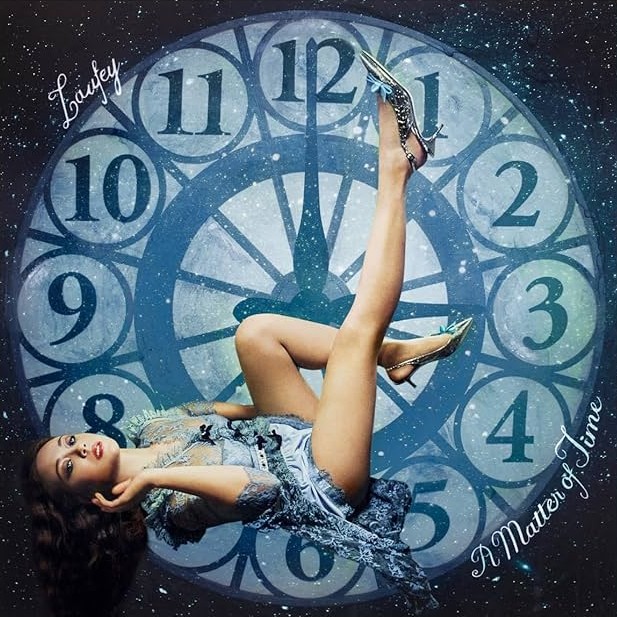
Laufey - A Matter of Time

I chose A Matter of Time by Laufey because her music is a combination of genres that I have always been drawn to. I like jazz, and Laufey’s sound blends that style with pop in a way that feels both modern and timeless. I think her music is especially compelling to me because of its classical influence. She often sings with an operatic tone, and her background in classical music as a cellist shapes the structure and emotional depth of her songs. That classical foundation gives her music a richness that sets it apart from typical pop albums.

This album is important to me because it feels versatile and comforting. My favorite song, “Lover Girl,” is especially catchy and lively, and I think it is good to listen to in everyday moments. It is the kind of song I enjoy playing while going on a walk or cleaning my room. Overall, I think this studio album captures why I appreciate Laufey as an artist. She creates music that is approachable and fun, yet grounded in a strong classical background.

Arachnophonia: Recreational Reading – “When No One Is Watching” by Alyssa Cole

Editor’s note: Arachnophonia (“Arachno” = spider / “-phonia” = sound) is a regular feature on our blog where members of the UR community can share their thoughts about resources from the Parsons Music Library‘s collection.

All links included in these posts will take you to either the library catalog record for the item in question or to additional relevant information from around the web.

Today’s installment of Arachnophonia is by student manager Rocio (class of 2027) and features a fiction book from the recreational reading collection currently residing at the Music Library. Thanks, Rocio!

Recreational Reading

When No One Is Watching by Alyssa Cole

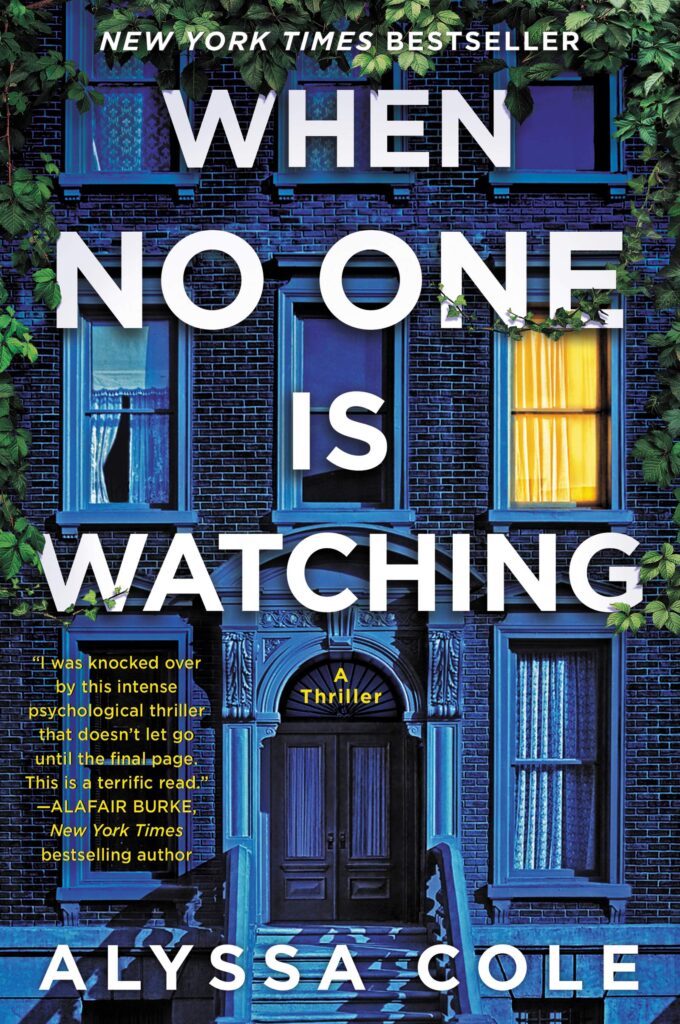
When No One Is Watching by Alyssa Cole

Maybe your New Year’s resolution is to read more during your free time, or maybe to spend less money on books. Either way, the answer is in Parsons Music Library. The library has a great selection of leisure-reading books you can check out and enjoy before the semester starts to feel a little heavier.

One book that immediately caught my eye, and that I would highly recommend, is When No One Is Watching by Alyssa Cole. This novel is a thriller, but it also talks about real-life issues such as gentrification, systemic racism, and economic displacement. The story follows Sydney Green, who begins noticing mysterious disappearances in her historically Black neighborhood. She teams up with her neighbor to investigate what’s really going on.

When No One Is Watching is an expertly crafted thriller that manages to be as informative as it is entertaining. It’s no easy task to unpack a large amount of American history within a suspenseful narrative, but the author does exactly that. What begins as a slow-burning mystery eventually builds into a heart-pounding reveal. While I found the story incredibly creative and necessary, my only critique is that the pacing felt uneven at times, and the ending seemed a bit too packed with information that might have been better spread throughout the novel.

Knowing that Alyssa Cole (the author) is also known for her romance novels, I was pleasantly surprised to see a subtle love story woven into the narrative. It felt like a welcome and thoughtful addition that helped deepen the characters and their relationships. Overall, this is a highly recommended read! Especially for those who may have all but given up on the thriller genre. This book is a must-read and may just restore your faith in a genre that can sometimes feel stale.

Arachnophonia: Amy Winehouse “Back to Black”

Editor’s note: Arachnophonia (“Arachno” = spider / “-phonia” = sound) is a regular feature on our blog where members of the UR community can share their thoughts about resources from the Parsons Music Library‘s collection.

All links included in these posts will take you to either the library catalog record for the item in question or to additional relevant information from around the web.

Today’s installment of Arachnophonia is by student assistant Jillian (class of 2027) and features Amy Winehouse’s Back to Black album on vinyl. Thanks, Jillian!

Amy Winehouse
Back to Black

Amy Winehouse - Back to Black (vinyl)

Amy Winehouse was a British neo-soul songwriter who received attention in late 2006 and early 2007 after the release of Back to Black on October 27th, 2006, by Island Records. Growing up in London, Winehouse was a member of the National Youth Jazz Orchestra, later signing a publishing deal with major record label EMI and then finally Island Records in 2002. She produced two studio albums, Frank in 2003 and then Back to Black in 2006.

In 2008, Winehouse won 5 Grammys for her Back to Black album, Best New Artist, Record of the Year, Song of the Year for “Rehab”, and Best Pop Vocal Album. In a world where Soul and Jazz are fading genres, Winehouse incorporates a blend of Soul, Jazz, R&B, and pop in her music, drawing from various timeframes. Songs like “Tears Dry on Their Own” and “He Can Only Hold Her” draw from classic Motown tunes such as Marvin Gaye and Tammi Terrell’s 1967 “Ain’t No Mountain High Enough” and The Icemen’s 1966 “My Girl (She’s a Fox)”, bringing back the 60s. The use of rich horns, dominant bass lines, and big band presence in “Rehab” and “Me & Mr. Jones”, to name a few, demonstrates the artist’s inspiration from 1950’s/60’s Jazz.

The artist’s impact on the world of retro-soul led to the release of the biopic Back to Black in 2024. According to IMDb, the film received a 6.3/10 rating, though focusing more on Winehouse’s romantic relationships than her career, according to the New York Times. The movie paid tribute to Winehouse and her career’s impact after her unexpected death in 2011 due to alcohol poisoning. Her timeless music remains popular today, with 2026 marking the 20th anniversary of the release of this album which brought her to fame.