
Arachnophonia: The Miles Davis Story

Editor’s note: Arachnophonia (“Arachno” = spider / “-phonia” = sound) is a regular feature on our blog where members of the UR community can share their thoughts about resources from the Parsons Music Library‘s collection.

All links included in these posts will take you to either the library catalog record for the item in question or to additional relevant information from around the web.

Today’s installment of Arachnophonia is by student manager Griffin (class of 2027) and features a film documentary about jazz legend Miles Davis. Thanks, Griffin!
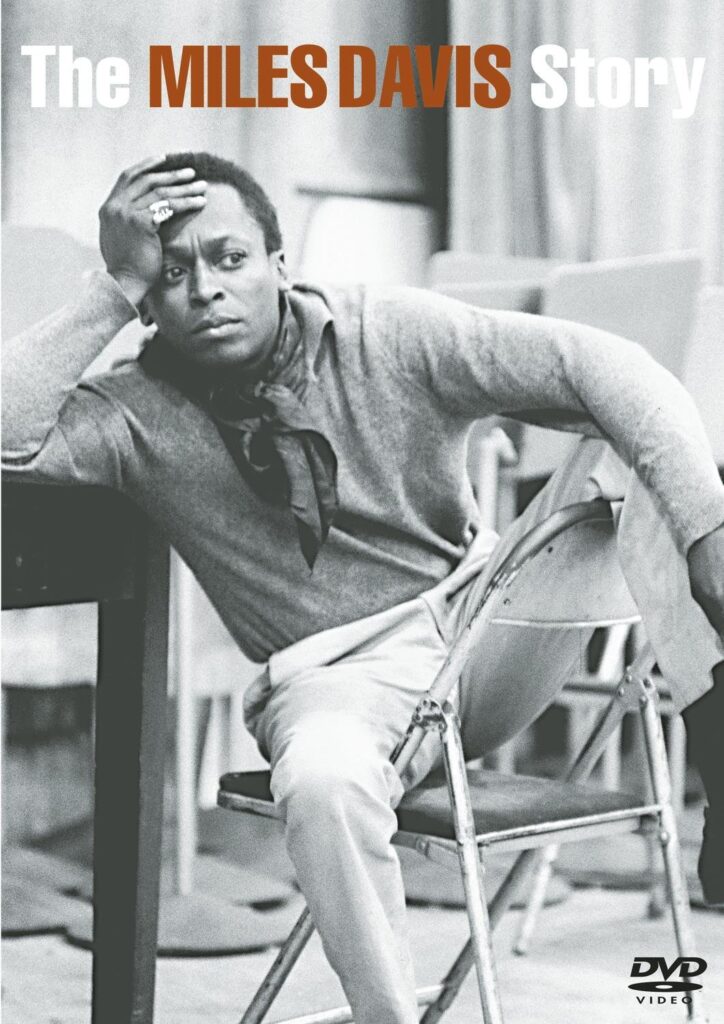
The Miles Davis Story

The Miles Davis Story

A revolutionary figure in the Jazz genre, Miles Davis is the most influential figure in Jazz since Louis Armstrong. The British documentary The Miles Davis Story follows the artist throughout his career, beginning from high school up until his death. The film explores the man behind the music through a collection of interviews from his close musician colleagues, family, friends, past relationships, historians and rare interview footage of Miles himself.

What I found very interesting was how popular Miles Davis became outside America. Europeans were much more accepting and interested in Jazz than back home, where the scene for the genre was dying in New York. They held Davis to a higher regard as well, treating his music as high-class art, and he wasn’t scrutinized for drinking or smoking like he would in the U.S. for “indecent behavior.” Another topic I found surprising was the amount of direct conflict Miles Davis faced with segregation. I have never thought of the artist as very political, but it was unavoidable for him not to confront these truths, partially from the flamboyant lifestyle that many did not approve of. Aware of these cultural tensions, he often supported other black artists and figures. Davis was incredible at finding new talent to play alongside and drive for new innovations in sound throughout his entire career. This is proven by just how many bandmates were interviewed.

The artist didn’t come without his flaws. The documentary explores every facet of his pioneering career, which includes issues with his romantic affairs and struggle with drugs that ultimately played a part in his untimely death. Throughout it all, one thing was certain: Miles Davis had a gift to constantly innovate his music at every age and cared more passionately about his work than anything. His story is quite reminiscent of another late and great legend of music, Prince, who would follow in remarkably similar footsteps. The film’s interviews add great layers to who this artist really was, on top of the beautiful music, and some gorgeous photography and cinematography of Miles Davis throughout his life. Check out The Miles Davis Story from the music library today to see it for yourself!
Arachnophonia: Casablanca

Editor’s note: Arachnophonia (“Arachno” = spider / “-phonia” = sound) is a regular feature on our blog where members of the UR community can share their thoughts about resources from the Parsons Music Library‘s collection.

All links included in these posts will take you to either the library catalog record for the item in question or to additional relevant information from around the web.

Today’s installment of Arachnophonia is by student manager Eliana (class of 2024) and features insert title info here. Thanks, Eliana!

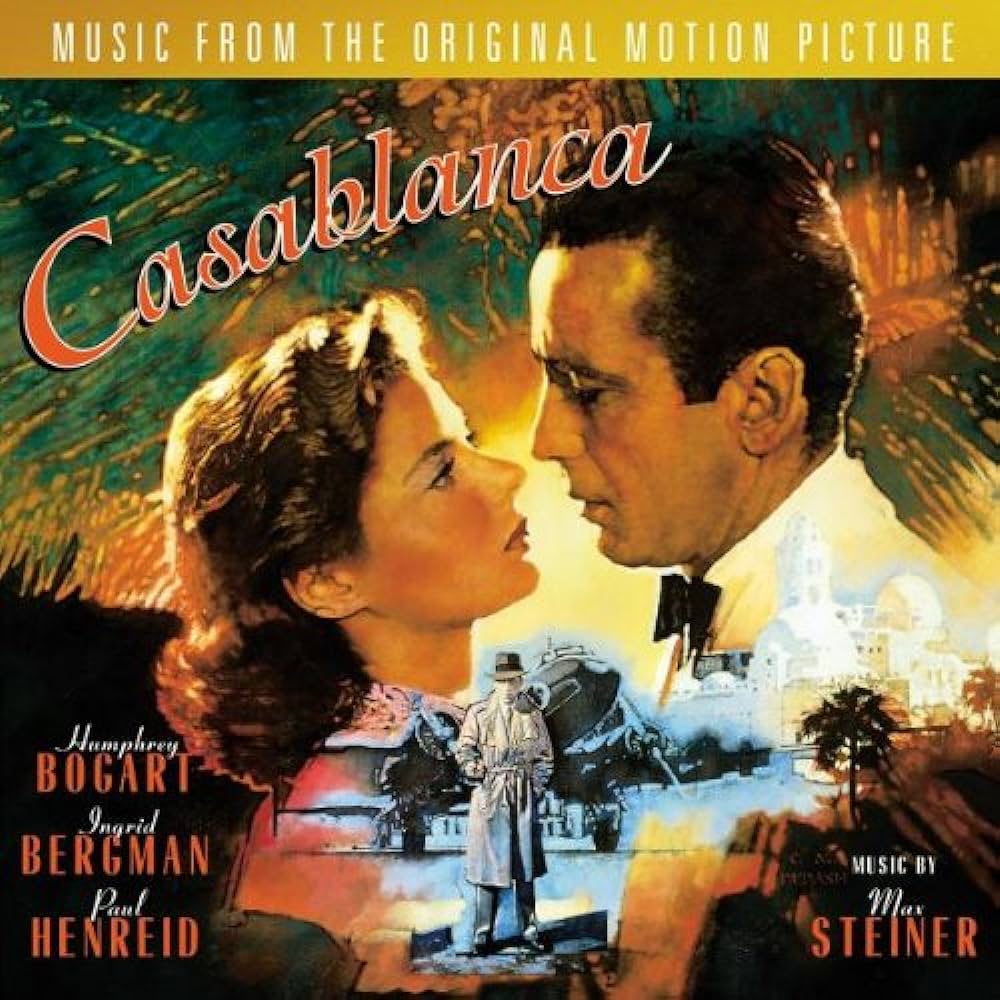
Casablanca: Original Motion Picture Soundtrack

Casablanca soundtrack

Among the shelves of CD’s in Parson’s music library sits the soundtrack of Casablanca, one of the most famous movies of all time with a score that certainly holds its own. The score, composed by revolutionary Austrian composer Max Steiner, will transport you to the 1940s and fill you with the triumphant energy of World War II cinema. Steiner not only utilizes leitmotifs in his scoring, but his songs provide formal and rhythmic continuity for the film as a whole, making his composition a true masterpiece.

The beating heart of the film is the song “As Time Goes By,” originally written by Herman Hupfeld in 1931. It is rumored that Steiner disliked this song and wanted to scrap it altogether, but he was forced to use it because the female lead (Ingrid Bergman) cut her hair for a different production and wouldn’t be able to reshoot any scenes with a new theme song. Notwithstanding Steiner’s disdain, the song is a true masterpiece with the context of the film. “As Time Goes By” represents not only the love that Rick and Ilsa have for each other, but also the past that they shared. When the song is not present in scenes between the two of them, the strain on their relationship becomes all the more apparent. Conversely, the song’s presence denotes a sense of calm between the two. Steiner weaves the song’s melody throughout the film to somehow bridge gaps between scenes, allude to strife, and foster love all at once. It is his compositional ingenuity that sets this film apart from many others.

Other notable songs present in the film are “La Marseillaise,” “It Had to Be You,” and “Die Wacht am Rhein.” You can listen to these, as well as the rest of the score, from the Casablanca CD located in the Parsons Music Library.

Arachnophonia: Selections from “Charlie and the Chocolate Factory”

Editor’s note: Arachnophonia (“Arachno” = spider / “-phonia” = sound) is a regular feature on our blog where members of the UR community can share their thoughts about resources from the Parsons Music Library‘s collection.

All links included in these posts will take you to either the library catalog record for the item in question or to additional relevant information from around the web.

Today’s installment of Arachnophonia is by student assistant Nathan (class of 2024) and features piano/vocal selections from the 2005 film Charlie and the Chocolate Factory. Thanks, Nathan!

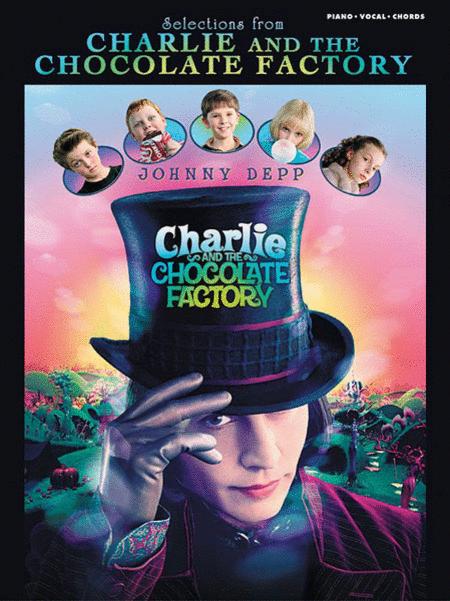
Selections from Charlie and the Chocolate Factory

Selections from "Charlie and the Chocolate Factory"

Danny Elfman is such a prolific composer, known for commonly working alongside filmmaker Tim Burton. Arguably, the best and most diverse collection of his work can be found in his music for the 2005 adaptation of Roald Dahl’s “Charlie and the Chocolate Factory.” His score explores a variety of styles, from Bollywood to the sugar-pop of the 1960s. While the piano score struggles to capture all of the complex work and sound behind the “Main Titles” (Elfman at his prime, in my opinion), it does an excellent job providing a solid basework for solo playability. The piano adaptation for the “Finale” is perfectly captured and successfully leaves what it intends to bring – a feeling of finality and completion at the end of a wild ride.