Arachnophonia: Amy Winehouse “Back to Black”

Editor’s note: Arachnophonia is a regular feature on our blog where members of the UR community can share their thoughts about items in the Parsons Music Library‘s collection. All links included in these posts will take you to either the library catalog record for the item in question or to additional relevant information from around the web.

Today’s installment of Arachnophonia is by Music Library student worker, Eve (class of 2020) and features English singer songwriter Amy Winehouse’s second and final studio album Back to Black. Thanks, Eve!

Amy Winehouse

Back to Black

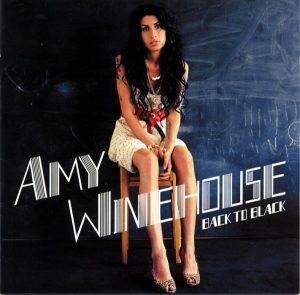
Amy Winehouse - Back to Black

Amy Winehouse is famed for her distinctive voice and mastery of jazz, rhythm and blues, and soul, and the English singer-songwriter’s second album Back to Black reflects the impressive vocals and originality that brought her to fame. The album was released in 2006 and earned Winehouse five Grammy Awards, the 2007 Best British Female Artist Brit Award, and world-wide recognition.
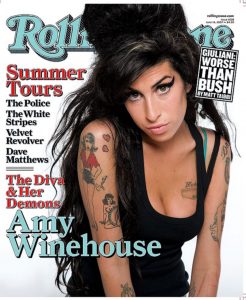
Amy Winehouse - Rolling Stone Cover 2007

Winehouse on the cover of Rolling Stone Magazine, June 2007

Yet in many ways, Back to Black reflects the unhappy circumstances that surrounded Winehouse’s life and led to her untimely death at the age of 27. For example, songs such as “Back to Black” and “Rehab” reveal themes of depression and substance addiction struggles, while “Love is a Losing Game” speaks to the toxic nature of Winehouse’s romantic relationships. Still, darker elements of the album are balanced by upbeat tracks, and song such as “Tears Dry On Their Own” provide a refreshing message of self-confidence and perspective. If viewed through the lens of Amy Winehouse’s life, the honesty and rawness of Back to Black is moving, yet tracks also stand on their own for listener interpretation. In this way, Back to Black can be heard as a musical feat, tribute to Winehouse and medium for artistic contemplation.
Amy Winehouse - Back to Black

Arachnophonia: Sam Smith “In The Lonely Hour”

Editor’s note: Arachnophonia is a regular feature on our blog where members of the UR community can share their thoughts about items in the Parsons Music Library‘s collection. All links included in these posts will take you to either the library catalog record for the item in question or to additional relevant information from around the web.

Today’s installment of Arachnophonia is by Music Library student worker Mary (class of 2018) and features the debut 2014 album In The Lonely Hour by British singer Sam Smith.
Thanks, Mary!

Sam Smith

In The Lonely Hour

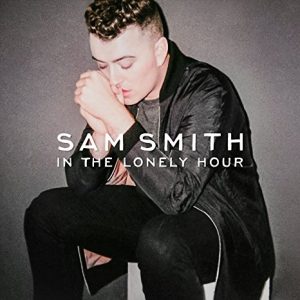
Sam Smith -  In the Lonely Hour

I chose Sam Smith’s album titled In the Lonely Hour because he is one of my favorite artists, and one of the songs in this album called “I’m Not the Only One” was the first music of Sam Smith that I was introduced to. I actually found out about Sam Smith’s music a lot later than everyone else because my friend recommended his music to me in the winter of 2014 although this album came out in May. I fell in love with Sam Smith’s music the minute I listened to this song because I loved the unique blend of classic soul, gospel choruses and acoustic instruments which made his music both soft and powerful at the same time. One of my few hobbies is to drive around and listen to music which I especially enjoy doing at night, and Sam Smith is definitely my go-to music on a chilly, wintry night. From this album, “Stay With Me” “Lay Me Down” and “Latch (Acoustic)” are also all my favorites. As the weather is gradually getting colder in Richmond as well, if you are stressed for any reason and are looking for a way to just relax and listen to good music, I recommend this album. It will be a good de-stressing moment.

Sam Smith Stay With Me Video SNL

Spider Sounds: Beyonce “Lemonade”

Editor’s Note: Spider Sounds” invites members of the University of Richmond community to share their thoughts about items in the Parsons Music Library’s collection. The links included will take you to the library catalog record for the item in question, or to additional relevant information.
Today’s installment of “Spider Sounds” comes courtesy of Boatwright Library Faculty Member Irina Rogova, who is the project archivist for UR’s Race and Racism project. She has chosen to highlight Beyoncé’s latest album, Lemonade which was released earlier this year. Thanks, Irina!

Beyoncé

Lemonade

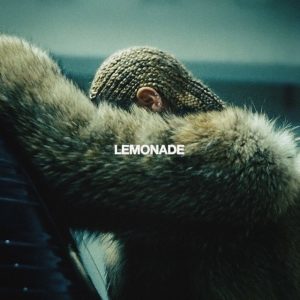
Beyonce - Lemonade

On April 23, 2016, Beyoncé released her sixth studio album, Lemonade, to mass critical acclaim. Leading up to the release, promotional materials alluded to some sort of release on HBO, though no details were given about what was actually being released—album, documentary, live show?

Considering the precedent set by her 2013 release of Beyoncé, which was dropped with accompanying music videos for all tracks with no promotion, fans speculation hit an all-time high leading up to the release. The Lemonade premiere on HBO was accompanied by a visual album which interspersed songs from the record with prose and poetry by London-based Somali poet Warsan Shire, and featured a wide cast including Serena Williams, Amandla Stenberg, Quvenzhané Wallis, along with the mothers of Trayvon Martin, Michael Brown, and Eric Garner, all victims of racial profiling and extra-judicial killing at the hands of law enforcement officials and vigilante citizens. The album and its visual component weave a story which has been described as “every woman’s journey of self-knowledge and healing.”

Immediately following the release of Lemonade, fans and academics took to Twitter to contribute to a syllabus which would give context to the plethora of references and symbols used in the visual album. Connections ranged from black southern gothic traditions to visual references to Yoruba deity Oshun to audio of Malcolm X. The syllabus was eventually compiled and made available for download by Candice Benbow, who launched the campaign.
Download it here: https://issuu.com/candicebenbow/docs/lemonade_syllabus_2016.
The syllabus, made through collaborative efforts from over 70 black women, focuses heavily on work created by and about the experience of black women in the United States and beyond.

The syllabus was only one of the various intellectual endeavors inspired by Beyoncé’s Lemonade. Melissa Harris-Perry, bell hooks, dream hampton, Ijeoma Oluo, and countless other theorists, activists, and cultural critics have written on the album’s meaning and impact.
Find a collection of some of these pieces here: http://www.threemonkeysonline.com/beyonces-lemonade-ten-articles-on-queen-bey-that-are-actually-worth-reading .

Lemonade Collage - Boatwright Memorial Library

A collage of images from Boatwright Memorial Library’s Lemonade Syllabus display

During the first half of the Fall 2016 semester, a display of materials from the Lemonade syllabus was on view on the second floor of Boatwright Memorial Library.

Spider Sounds