Welcome back to Parsons Playlists! Today’s playlist is curated by Music Library student manager Alexandra (Alex) (class of 2026) and features some songs that she deems to be “late night classics.”
Editor’s note:Arachnophonia is a regular feature on our blog where members of the UR community can share their thoughts about resources from the Parsons Music Library‘s collection.
This special edition of Arachnophonia features contributions from students in Dr. Joanna Love‘s MUS 235 class: “I Want My MTV: Music Video and the Transformation of the Music Industry.”
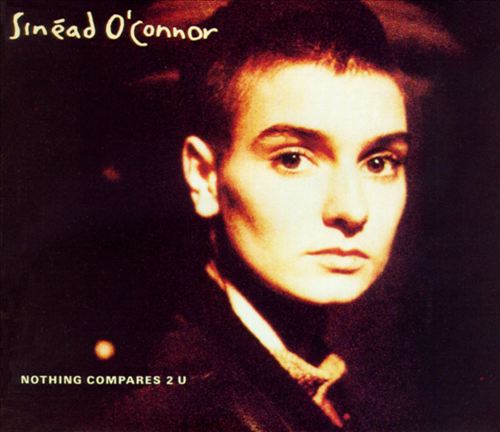
“Nothing Compares 2 U” was intended for The Family, a band formed by Prince in 1984, and was released on their self-titled 1985 album. The song was not released as a single, and the album bobbed around on the Billboard R&B Chart. While The Family was a favorite of Prince fans, “Nothing Compares 2 U” received little recognition. The song was offered to a young Irish singer, Sinéad O’Connor, fresh off releasing her first album. O’Connor embraced “Nothing Compares 2 U” in her own style, and it would end up introducing the artist to a massive global audience.
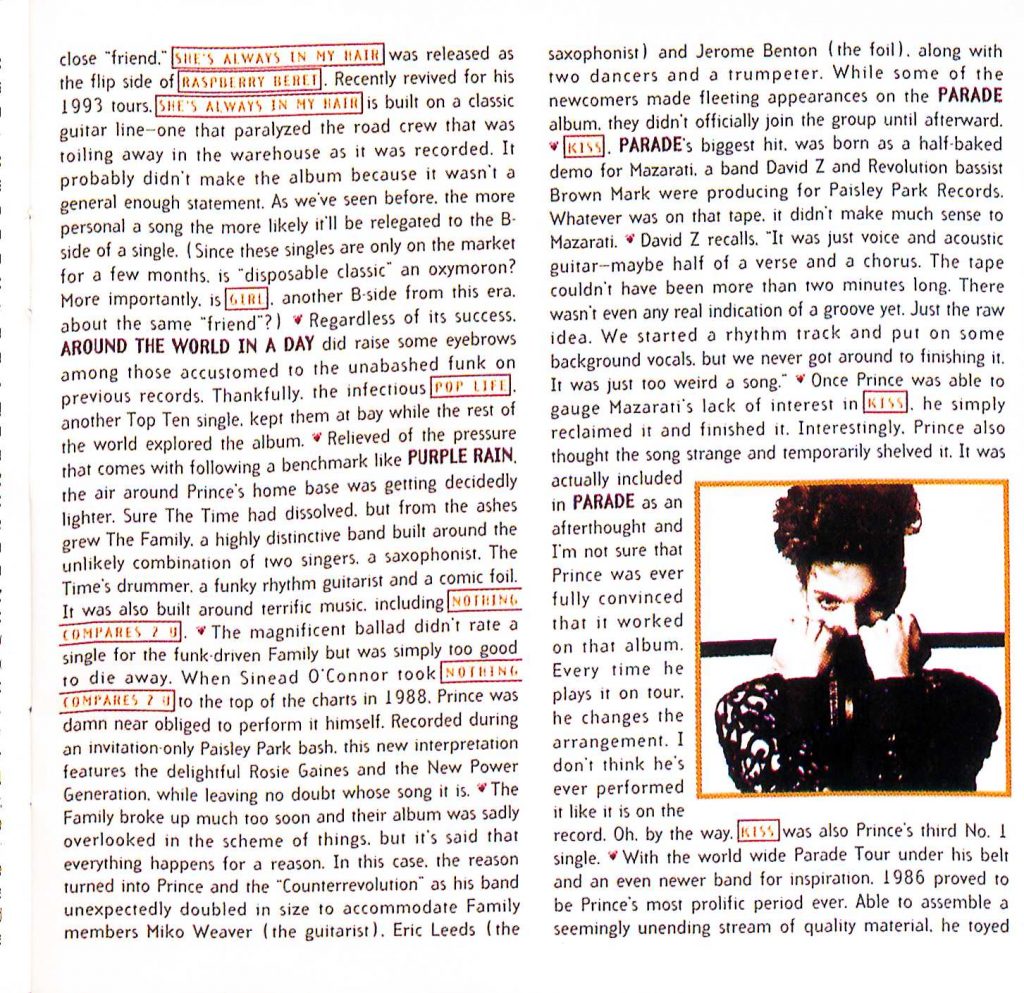
The Parsons Music Library contains two parts of this story in its collection. In 1993, Prince released his own version of “Nothing Compares 2 U” on Hits/the B-Sides. While this album is easily accessible on Spotify, it’s worth a trip to the Library’s CD collection to take a glimpse at the album itself. Flip open the first few pages of the liner notes, and the throwing-fists-in-the-driveway story gains credulity.
Excerpt from liner notes to Prince’s Hits/the B Sides
“When Sinead O’Connor took Nothing Compares 2 U to the top of the charts in 1988, Prince was damn near obliged to perform it himself… leaving no doubt whose song it was.” Fair enough. On Hits/The B-Sides, the song feels completely Prince. The song is performed live, it’s sensuous, and it has gentle echoes of Purple Rain. There’s a trumpet solo. Rosie Gaines contributes her vocals, telling a story in a way that one person just can’t do alone.
Prince’s take on “Nothing Compares 2 U” speaks to a level of artistry that only Prince could embody. Everything about the song is lush and performative. While the vocals yearn for the personal, there is a feeling that the song is still far beyond its listener. The song belongs near the center of a concert, capturing a feeling both grand and ethereal. It’s hard for me to imagine this version being excerpted on the radio or in coaxed into a short music video.
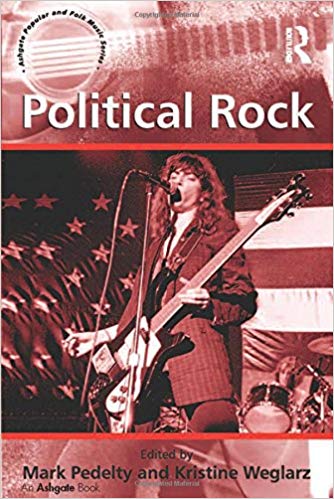
The song belonged to Prince, but it was a song that Sinéad O’Connor would succeed at first. There’s one more part of this story, one which Marcy Rose Chvasta finds related to Sinéad O’Connor’s body. Political Rock, available in the Parsons Music Library, offers a collection of critical essays on politically linked recording artists from Peter Gabriel to Pearl Jam. While O’Connor has been rooted in the political since the beginning of her artistry, Chvasta’s chapter looks to probe a little deeper. For a singer so deeply connected to the authenticity of Bel Canto, how should we handle an O’Connor who no longer feels authentic to the work and person she began with?
As O’Connor has moved on from “seven hours and fifteen days,” Chvasta notes that O’Connor has sometimes defined her popularity in relative proximity to the song. It was “Nothing Compares 2 U” that was popular, not necessarily O’Connor. The song becomes a story of O’Connor’s body, in a certain place and time, a forcible societal imagination of O’Connor as a permanently androgynous 20-something wandering around Parc de Saint-Cloud. As O’Connor has aged, she has aged out of this song, “her” song, due to an unstable and unreliably political body.
The O’Connor of today can’t quite be pinned down, and that’s a good thing — it is not the place of a 1990 hit song to define a career. Chvasta notes that O’Connor’s body and artistry are dangerous because of what they are not: lacking in eroticism, narcissism, and self-indulgence, this duality could not be popularly sustained. As an unwieldy body, O’Connor moved in directions far from her youth, and far from a place “Nothing Compares 2 U” could ever relate to.