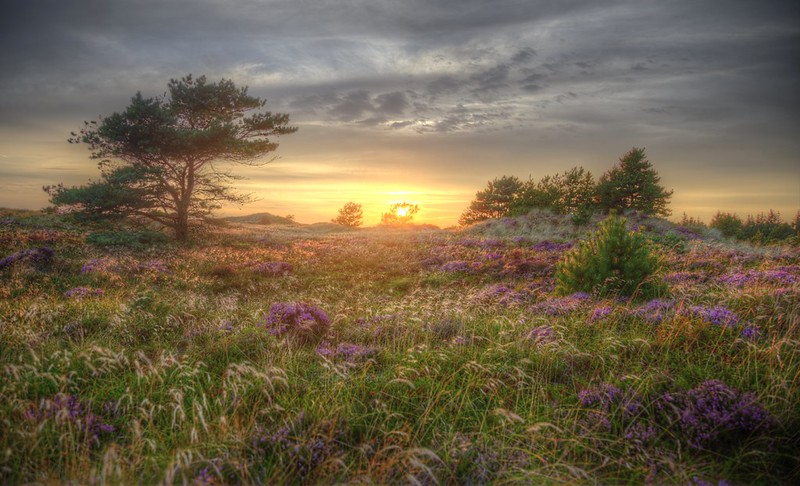
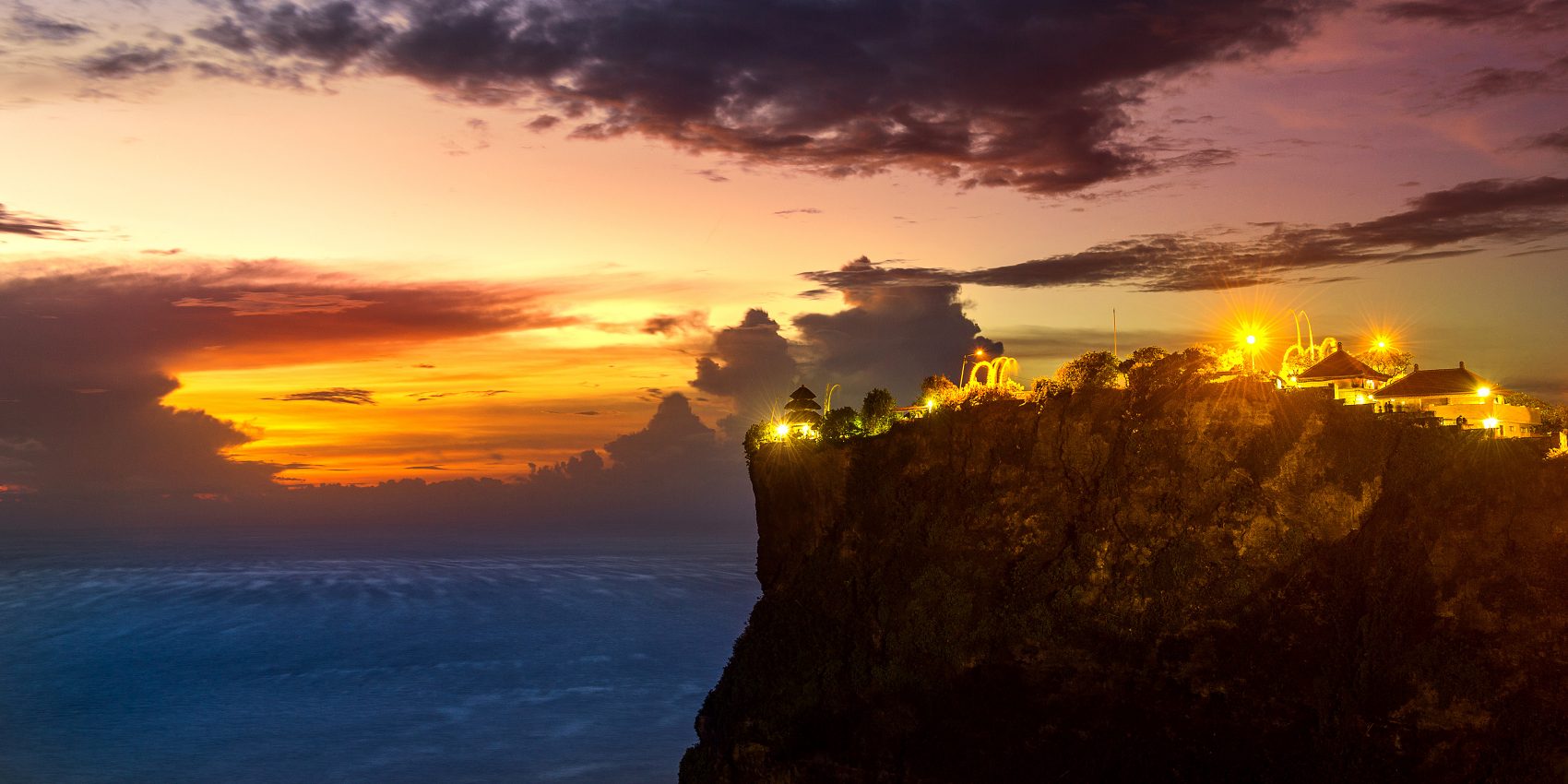
 This time of year the sunsets get awfully nice, and the temperatures moderate enough to enjoy some outdoor time at dusk. I’ve covered gloaming here before, eight (!) years ago, but recently a new-to-me term cropped up in a BBC story. You can find a full description of the term here at a Conversation post.
That piece notes that dusking “involves watching the light start to disappear, noticing the changing colours of the sky, the emergence of evening sounds.” This serves as a form of relaxation. My wife do this nearly every night when the weather allows, from our screened-in back porch or open front porch. With a cool drink and my occasional cigar, it’s a perfect way to celebrate quietly the passing of the day.
This piece and the BBC story link the rise in dusking to the Netherlands. It makes sense; after a brutally hot summer in 2026, Northern Europeans probably sigh in relief, as Virginians have done for a long time, and head outside to see the last of the light. I am just old enough to recall life in Richmond before central air-conditioning or even, in our modest neighborhood south of what is now Carytown, window units. Every home on the block had sizable front porches, some with ceiling fans, where we gathered at dusk. People took short walks and said hello. There was an ice-cream parlor within a five-minute stroll. It was a delightful ritual of the mid-1960s soon to vanish onto back decks and family rooms with color TVs. At the time, however, it seemed as if dusking on the front porches would never end. I wish that world still existed.
Today at our house, without neighbors to greet, we pick the front or back porch and continue the tradition. We joke about the word “mauve” and pronounce it in various ways. You only see those colors emerge around dawn and dusk.
I label this use of “dusking” as a neologism, but the word itself dates to the 16th Century, as the OED notes.
Neologism or not, I want our modern sense of the word to become common. We live in a time of screen-blindness, cognitive offloading to imperfect AI models, wasteful haste, and a ridiculous “fear of missing out.”
Just don’t miss out on that next sunset. I would love to see dusking become our next addiction.
Send in words or metaphors worth covering. Email me (jessid -at- richmond -dot- edu) or leave a comment below. Want to write a guest entry? Let me know!
See all of our Metaphors of the Month here and Words of the Week here.
Image: Creative-commons license by Cathay Pacific.