Word of the Week! Deuteragonist

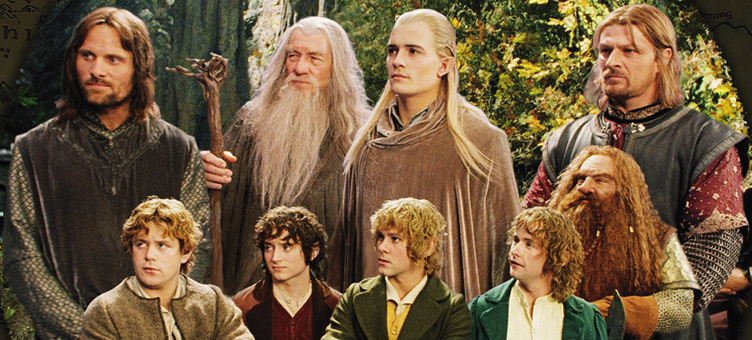
Fellowship of. the RingChuck Staudenmaier, Manager of UR’s Print Shop, nominated our word. He said “think Ron or Hermione” to Harry Potter’s role of protagonist. When I taught fiction to undergrads, we discussed the terms “protagonist” and “antagonist” (think Voldemort), but not this term. So thank you, Chuck, for teaching me something.

The OED’s entry cites a Greek origin for the word and provides the definition of “second actor or person in a drama.”  Only a British pronunciation is provided, and both cited uses come from the British Isles. Usage has never been common, though it rose from first noted use in the 1850s to a peak in the 1920s. Frequency declined after that and today we are roughly back where we began.

I have a hunch that our word would enjoy more popularity were it easier to pronounce in English. Most dramatic works feature important secondary characters. Think about literary, stage, film, or television dramas. Who are your favorite deuteragonists?

I’m more fond of Tolkien than Rowling, and when we get to The Fellowship of the Ring, Frodo Baggins has many deuteragonists along for the journey to Mordor with the One Ring of Power. Like many fans of the books, I find Sam to be my favorite deuteragonist.

It’s been 20 years, so it’s time to read that trilogy again and see the films, though the less said about Peter Jackson’s The Hobbit films, the better. As for the Harry Potter books? I have enjoyed three so far and am slowly working my way through the fourth.

Please send me words and metaphors worth covering. Email me (jessid -at- richmond -dot- edu) or leave a comment below. Want to write a guest entry? Let me know!

See all of our Metaphors of the Month here and Words of the Week here.

Image: Wikipedia, from Peter Jackson’s The Fellowship of the Ring.
Metaphor of the Month! Straw Man

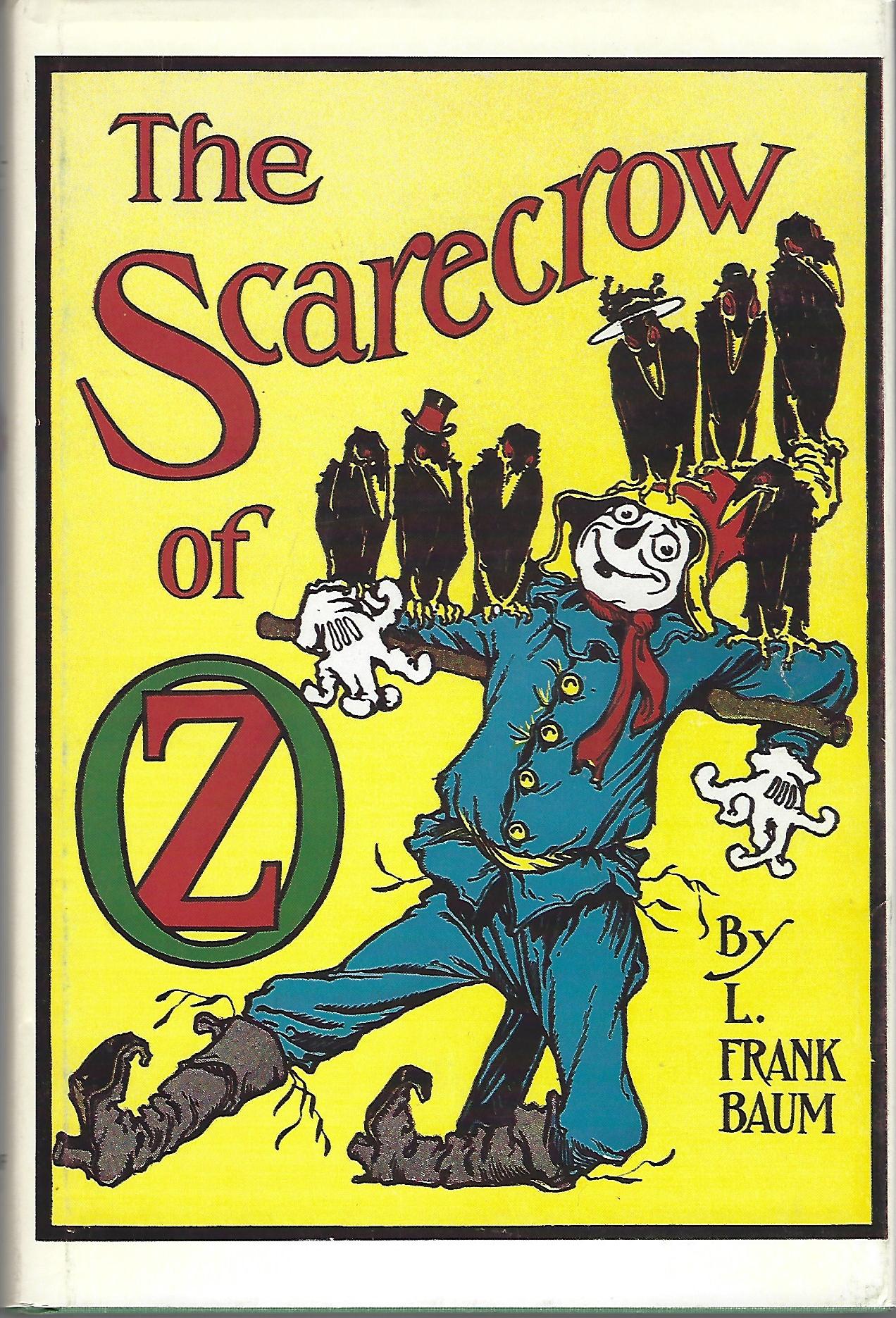
Baum's original Scarecrow, Wizard of OzI’ll follow some election-related posts (demagogue and sycophant) with this metaphor. Though an ancient term, today it has come to mean something quite different from the fellow in The Wizard of Oz who gets unstuffed by the flying monkeys.

From about 1824 on, the term came to mean a person, who might be invented for the occasion, put up as “a cover for questionable, subversive, illegal, etc., activities; a front, a stooge; a puppet.”  I’ve not seen that usage for a long time, and then only in older works of fiction.

20 years later, according to the OED entry, we have “an intentionally weak or misrepresented proposition, set up because it is easier to defeat than, or deflects attention away from, an opponent’s real argument, giving the superficial impression that the original charge has been refuted or defeated.” This usage of the metaphor has been on the rise since the Civil War, according to a chart provided by Etymologyonline.

Let’s come up with an example. I’m an environmentalist now fighting a local data-center proposal, so I love this one provided by the author of The Helpful Professor: “Those who advocate for environmental protection are clearly against progress and economic development.” Hmmm..this writer supports the economy in multiple ways, invests in the stock market, and uses computers a lot, even with AI on occasion.

When students include such logical fallacies, I give them an F and ask them to rewrite. I average the grades. Such fallacies, in academic prose, are serious business and merit harsh outcomes.

If you can stomach it, watch a few political ads for the next few weeks. Setting up a straw man and then tearing him apart is, sadly, done by flying monkeys of both political parties. The Helpful Prof includes the tragic current slurs “Democrats are Communists” and “Republicans are Racists.”

We should do better than that.

Send me your flying monkeys, straw men, plus words or metaphors of use in academic writing. Email me (jessid -at- richmond -dot- edu) or leave a comment below. Want to write a guest entry? Let me know!

See all of our Metaphors of the Month here and Words of the Week here.

Image: Open Source image from an original Wizard of Oz book 

Metaphor of the Month! In Medias Res

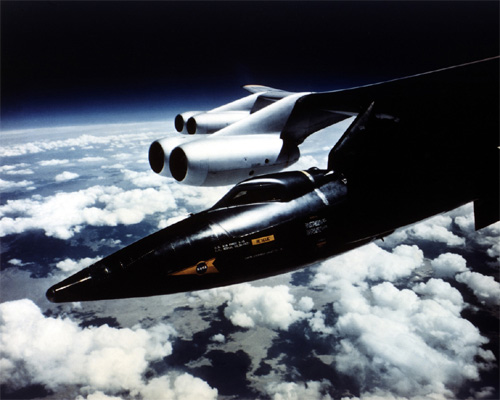
X-15 Rocket PlaneI credit a student in my first-year seminar, “The Space Race,” for this. I’d mentioned the phrase as the way many modern films begin, right “in the middle of things,” without so much as a credit-roll. This is a handy term for studying narratives, in books or films. Often we feel “dropped right in,” which can add both confusion and excitement.

After class, my student prudently corrected my version, “in media res,” which I see from time to time. Our metaphor is pure Latin, so the correct case for the second word is “medias.” The OED lists many Latin phrases, such as in memoriam  or in nomine that we still use in certain formal, sacred, or academic settings. Bryan Garner’s Modern American usage cautions us to check spellings, as in memoriam sometimes appears as “memorium.” That’s incorrect.

Here’s a usage example. I was teaching Damian Chazelle’s excellent film First Man, and a viewer’s first encounter with Neil Armstrong, in medias res, is in the cockpit of an X-15 rocket plane about to blast into the upper atmosphere. Nothing boring about that! Note that I put the foreign phase we’ve borrowed into italics. I bow to the wisdom of the post at The Grammarist that does likewise.

Our pick this week might be considered just a phrase, not a metaphor, but considering how loosely I hear it employed by learned speakers, I’m going to side with its figurative usage, as in “There we were, in medias res, when he burst in and made things a shambles.” That could mean the interloper burst in early on, came late, or simply appeared, unbidden. One might not be interrupted “in the middle” to employ our metaphor. Yes, a few of us still drop in a Latin phrase. I love Academia.

I can’t resist working in old Metaphors of the Month, as I did with “shambles” just now. Send us more, and Words of the Week too, by e-mailing me (jessid -at- richmond -dot- edu) or leaving a comment below.

See all of our Metaphors of the Month here and Words of the Week here.

Image courtesy of NASA’s Armstrong Flight Research Center. Neil Armstrong, incidentally, so respected Hugh L. Dryden, whose name had been on the facility, that he tried to keep NASA from renaming it. That says a lot about a very humble American hero who first stepped on the Moon.

Any time I can work an X-15 or any other rocket plane or spacecraft into a post about literary terms, I shall.