Word of the Week! Modicum

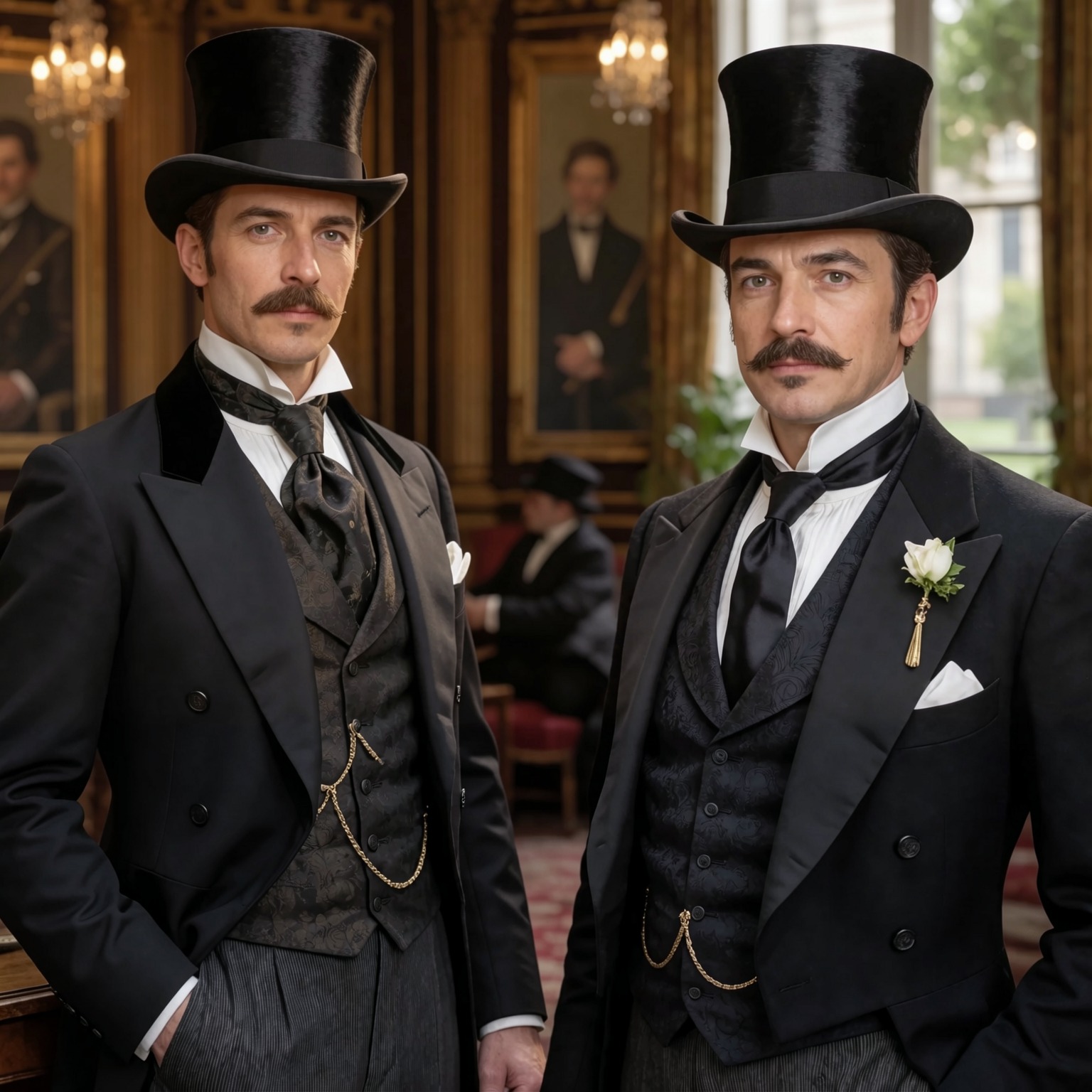
two Victorian gentlemenMy friends and I sometimes enjoy insulting each other in fake-Victorian English, with slurs such as “You, sir, are an utter jackanapes! You have not even a modicum of propriety!” Howls of derisive laughter result; this is what well-read geeks do for fun.

Thus our word, which means “a small measure.” That’s not quite the same as “a pinch” in some recipes. It seems, to this reader, more a measure of some moral quantity than, say, that pinch of red pepper in the sausage gravy. If you have even a modicum of common sense, however, you don’t dump the entire jar into that gravy.

I was surprised to see the usage of the word steadily increase since Victorian times. See more on that with the usage graph at Etymology Online’s entry. With its Latin (Crikey! By way of Scotland!) origin, our word elevates the diction of written English. Imagine putting on dress clothes to give a presentation. You’d use a word like “modicum” there, though not in casual speech.

I invite you all, who have more than a modicum of curiosity, to send me words and metaphors worth covering.

Email me (jessid -at- richmond -dot- edu) or leave a comment below. Want to write a guest entry? Let me know!

See all of our Metaphors of the Month here and Words of the Week here.

Image: creative-commons image via stablediffusionweb.com
 

Metaphor of the Month! Straw Man

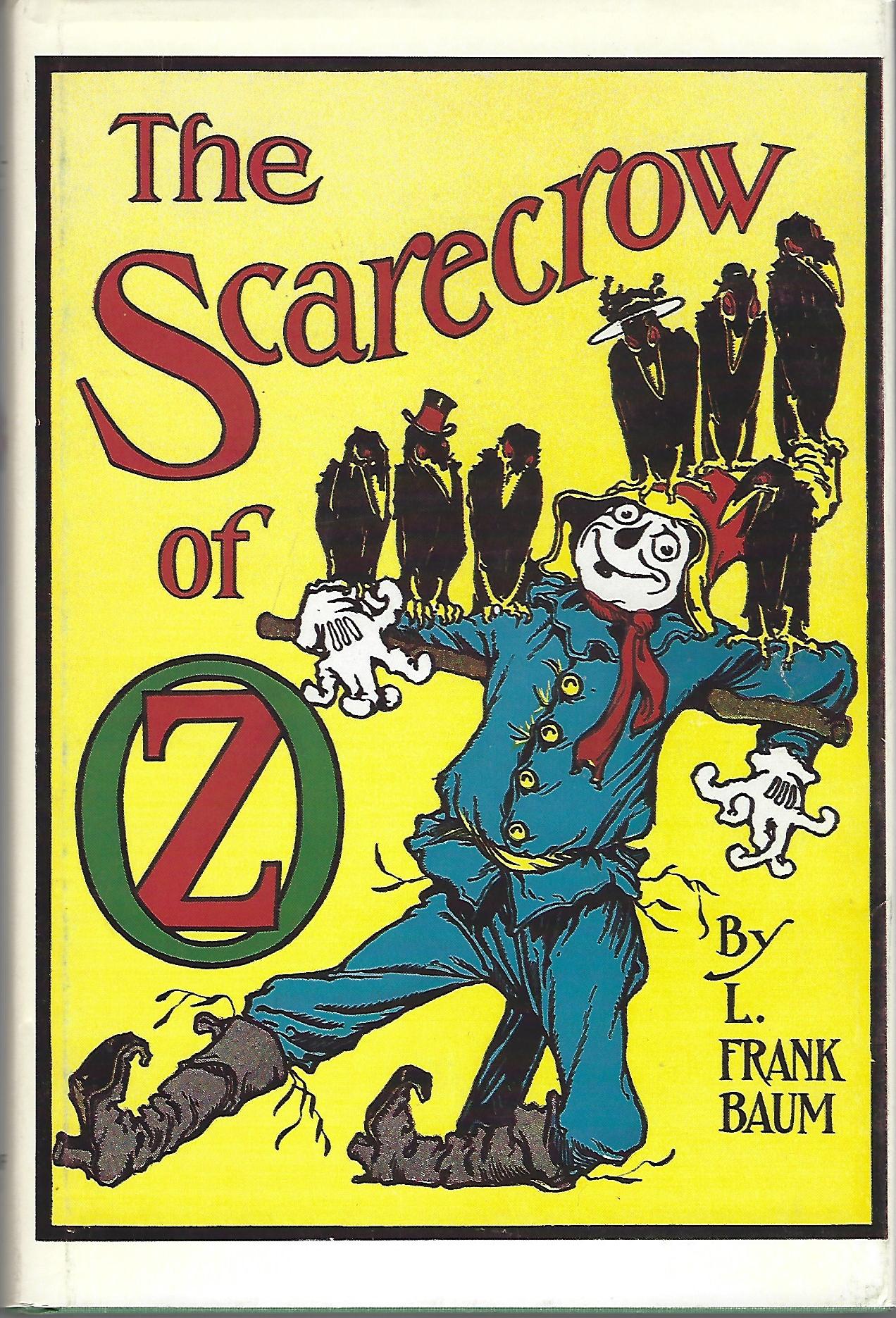
Baum's original Scarecrow, Wizard of OzI’ll follow some election-related posts (demagogue and sycophant) with this metaphor. Though an ancient term, today it has come to mean something quite different from the fellow in The Wizard of Oz who gets unstuffed by the flying monkeys.

From about 1824 on, the term came to mean a person, who might be invented for the occasion, put up as “a cover for questionable, subversive, illegal, etc., activities; a front, a stooge; a puppet.”  I’ve not seen that usage for a long time, and then only in older works of fiction.

20 years later, according to the OED entry, we have “an intentionally weak or misrepresented proposition, set up because it is easier to defeat than, or deflects attention away from, an opponent’s real argument, giving the superficial impression that the original charge has been refuted or defeated.” This usage of the metaphor has been on the rise since the Civil War, according to a chart provided by Etymologyonline.

Let’s come up with an example. I’m an environmentalist now fighting a local data-center proposal, so I love this one provided by the author of The Helpful Professor: “Those who advocate for environmental protection are clearly against progress and economic development.” Hmmm..this writer supports the economy in multiple ways, invests in the stock market, and uses computers a lot, even with AI on occasion.

When students include such logical fallacies, I give them an F and ask them to rewrite. I average the grades. Such fallacies, in academic prose, are serious business and merit harsh outcomes.

If you can stomach it, watch a few political ads for the next few weeks. Setting up a straw man and then tearing him apart is, sadly, done by flying monkeys of both political parties. The Helpful Prof includes the tragic current slurs “Democrats are Communists” and “Republicans are Racists.”

We should do better than that.

Send me your flying monkeys, straw men, plus words or metaphors of use in academic writing. Email me (jessid -at- richmond -dot- edu) or leave a comment below. Want to write a guest entry? Let me know!

See all of our Metaphors of the Month here and Words of the Week here.

Image: Open Source image from an original Wizard of Oz book